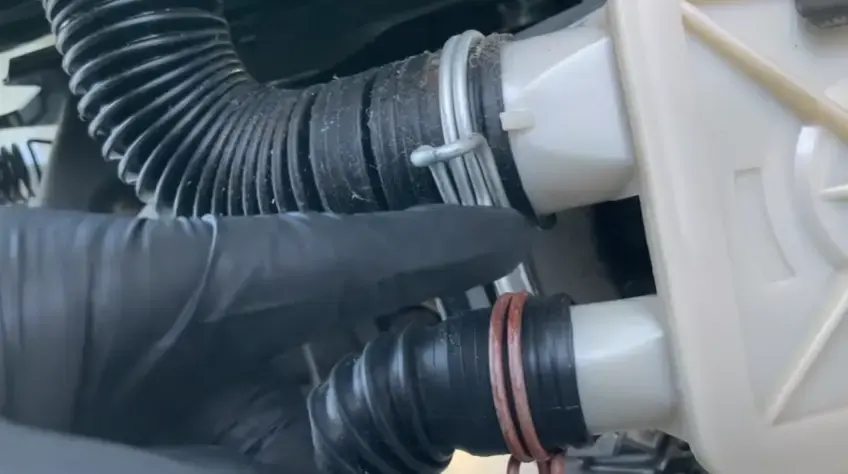
Appliance leaks are quiet. A dishwasher drips under the cabinet base for weeks, a refrigerator ice maker tube leaks behind the kick plate, or a washer supply hose splits and runs at full pressure. By the time the floor buckles or a cabinet swells, the water has spread well past the appliance.
Common appliance leaks in Glendora homes
- Rubber washing machine supply hoses that crack with age
- Washer drain hoses that slip out of the standpipe
- Dishwasher supply connections and door seals
- Refrigerator ice maker and water dispenser tubes
- Water softener and filter connections in garages
Water from a washer drain or a dishwasher counts as Category 2 water; a supply hose or an ice maker tube starts as Category 1.
Drying cabinets and floors after an appliance leak
The restoration team pulls the appliance, removes the kick plates and checks under the cabinets with meters. Water trapped under a cabinet base or a laminate floor does not dry from the top, so the team drills small holes, pulls the toe kicks or lifts flooring to get air in. Particleboard cabinet bottoms that swell usually have to be replaced. Hardwood floor water damage covers leaks that reached wood floors.
Preventing the next appliance leak
Braided stainless supply hoses, a leak sensor under the dishwasher and the washer and a shutoff valve within reach all cut the damage. The Consumer Product Safety Commission lists appliance recalls, and the EPA WaterSense Fix a Leak Week page explains simple leak checks.