Water Damage Restoration in San Dimas
A pipe lets go, a drain backs up or storm runoff slips under a door. The crew pulls out the water, maps what is wet and dries every layer until the readings say stop.
(888) 578-6508Talk to a crew about your San Dimas water loss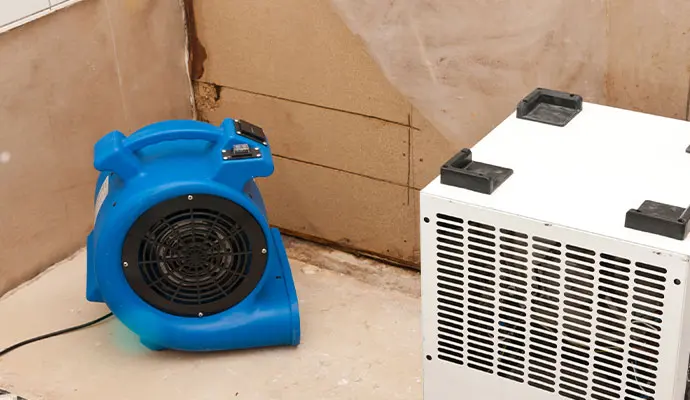
Water damage services for San Dimas properties
Each service below has its own page with the steps, price ranges and questions that apply to that kind of loss, from a failed pipe to storm runoff.
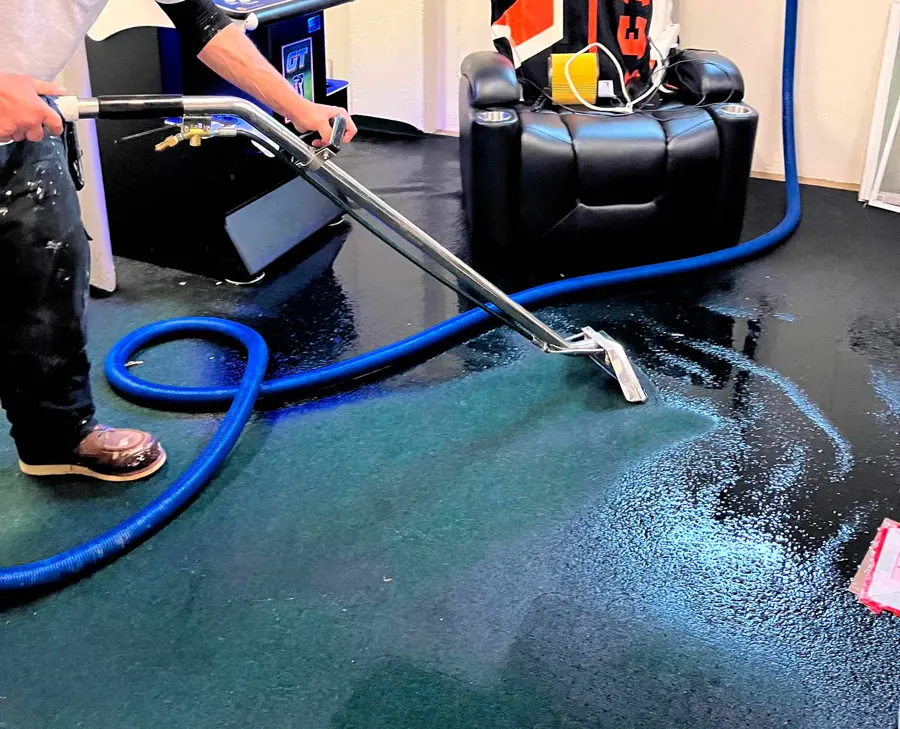 Water Extraction and RemovalStanding water pumped out of carpet, pad and floors before it reaches the walls.View the service
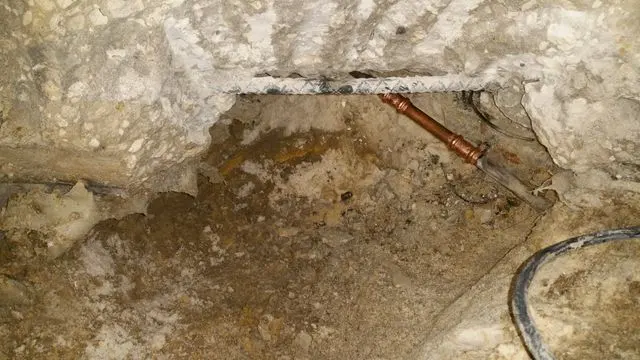 Slab Leak Water DamageA leak under a concrete floor, mapped and dried through the slab.View the service
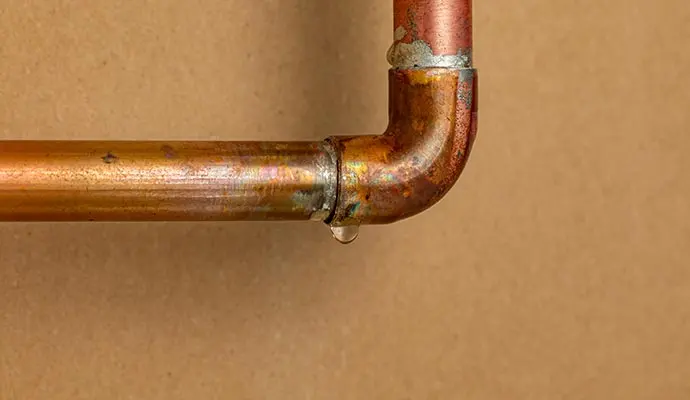 Burst Pipe Water DamageA split pipe soaks walls and ceilings fast, so cavities are opened and dried.View the service
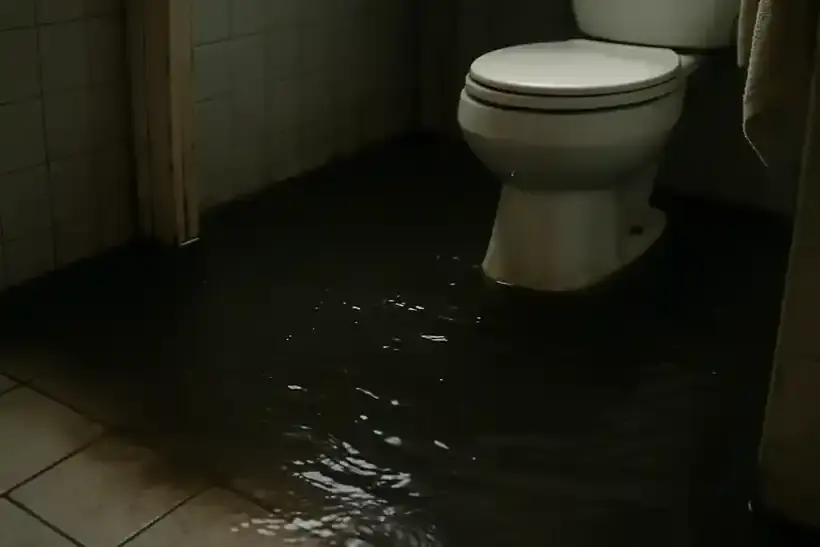 Sewage Backup CleanupContaminated water from a backed up drain, removed in protective gear and disinfected.View the service
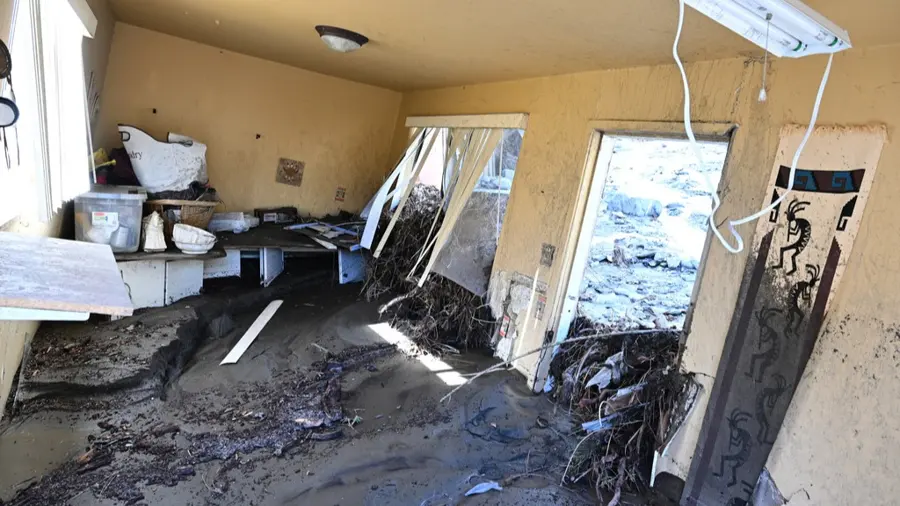 Storm Runoff and Flood CleanupMud, silt and runoff carried in by a storm, cleared from floors and garages.View the service
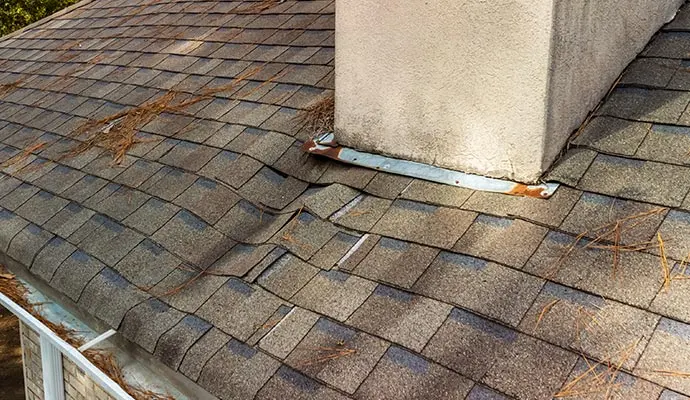 Roof Leak Water DamageRain past the roof that soaks insulation and ceilings before a stain shows.View the service
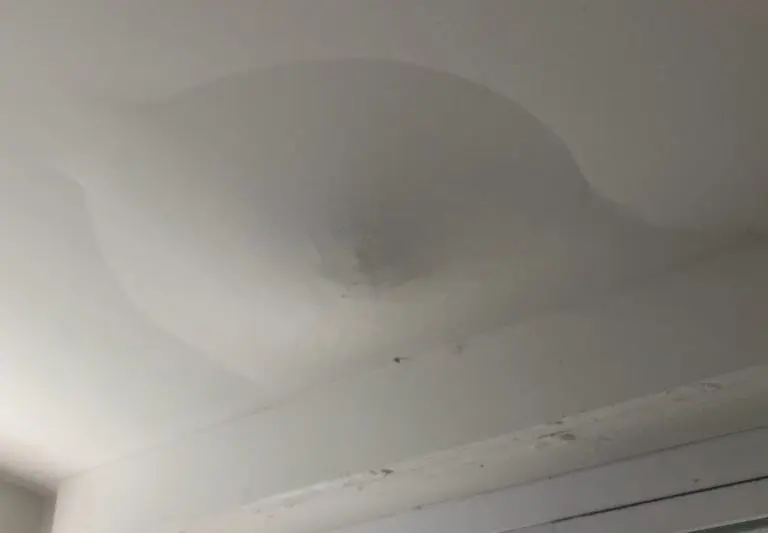 Ceiling Leak Water DamageSagging or stained ceilings drained, opened and dried, with the floor above checked.View the service
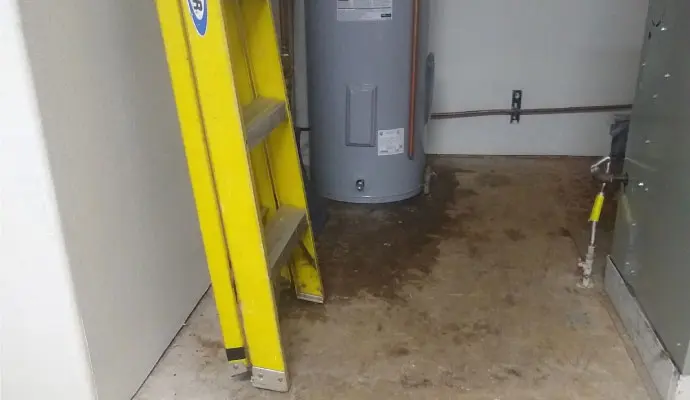 Water Heater Leak CleanupA failed tank in a garage or closet, with the floor and walls dried.View the service
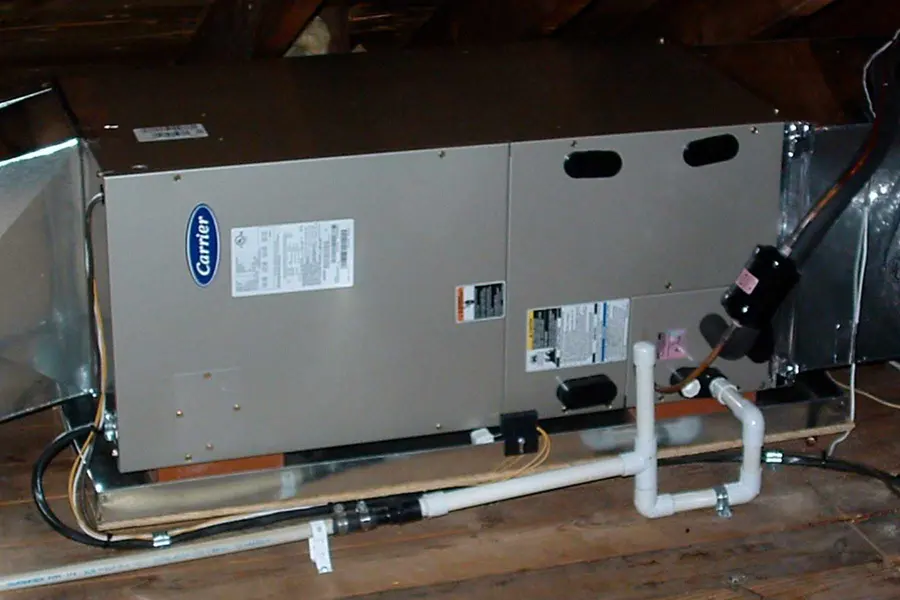 AC Condensate Leak Water DamageA clogged condensate drain spilling into the attic and the ceiling below.View the service
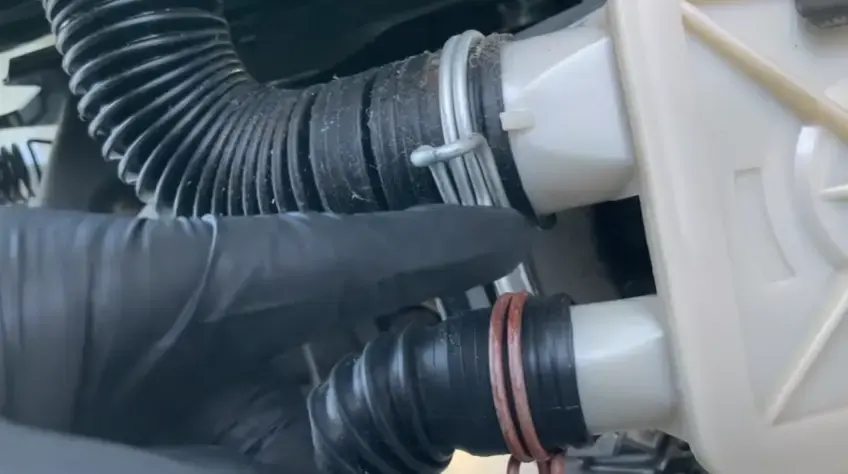 Appliance Leak Water DamageWasher, dishwasher and refrigerator leaks that run under cabinets into the next room.View the service
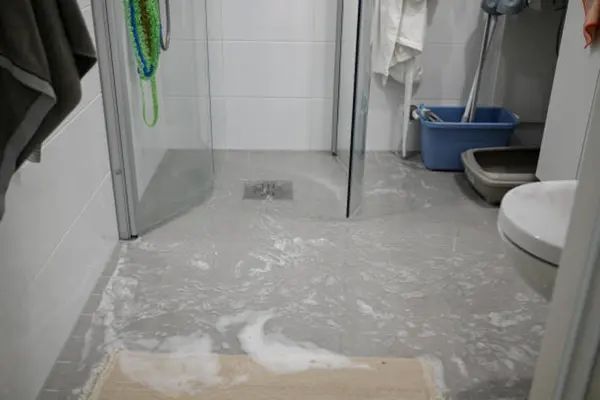 Toilet Overflow CleanupOverflow from a toilet or clogged drain, cleaned by how contaminated it is.View the service
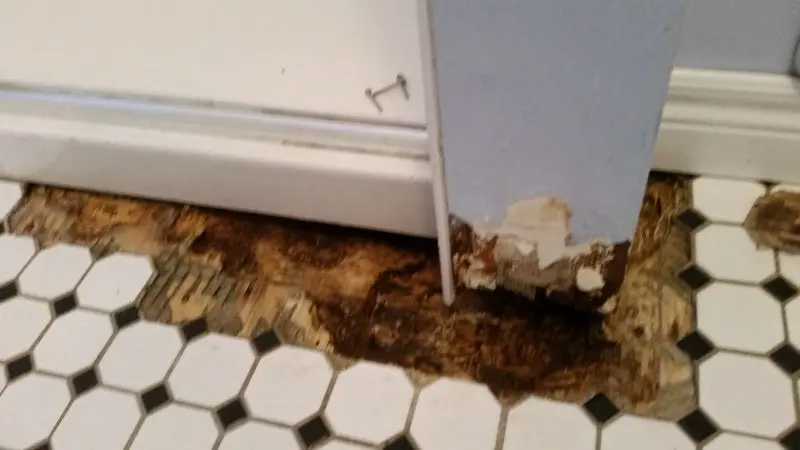 Shower and Tub Leak Water DamageShower pan and tub leaks that soak the subfloor and the ceiling below.View the service
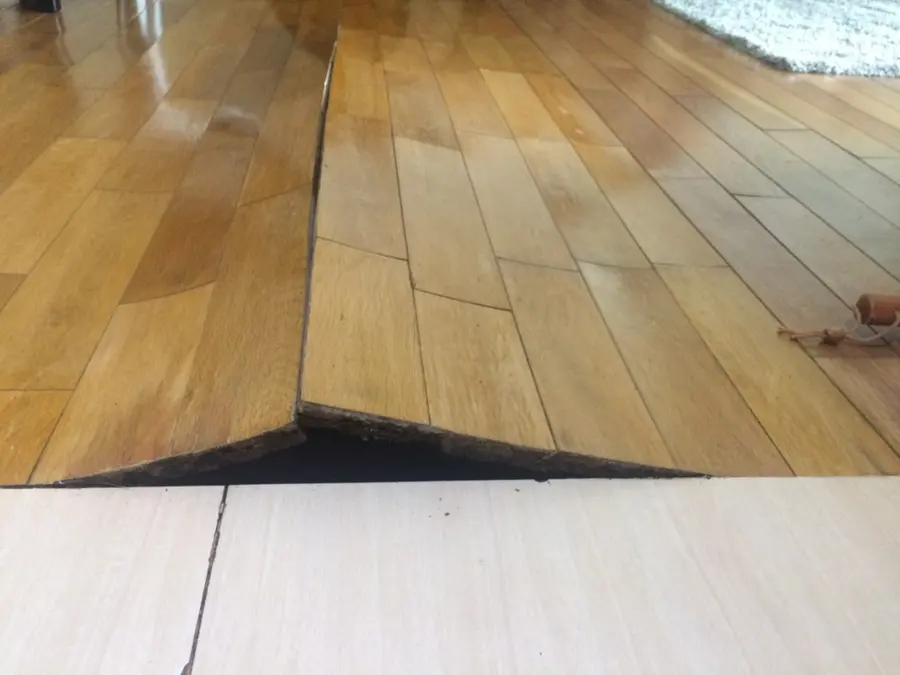 Hardwood Floor Water DamageCupped or buckled boards dried in place when possible and removed when not.View the service
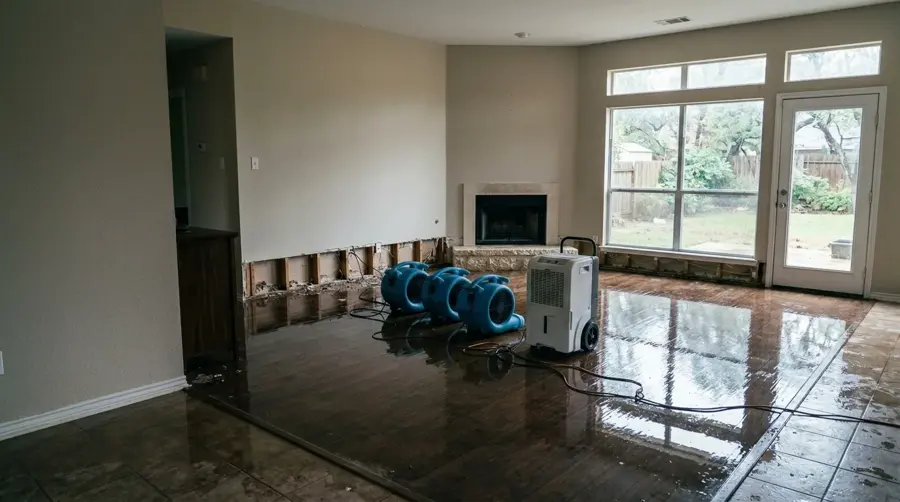 Structural Drying and DehumidificationAir movers and dehumidifiers run with daily readings until framing tests dry.View the service
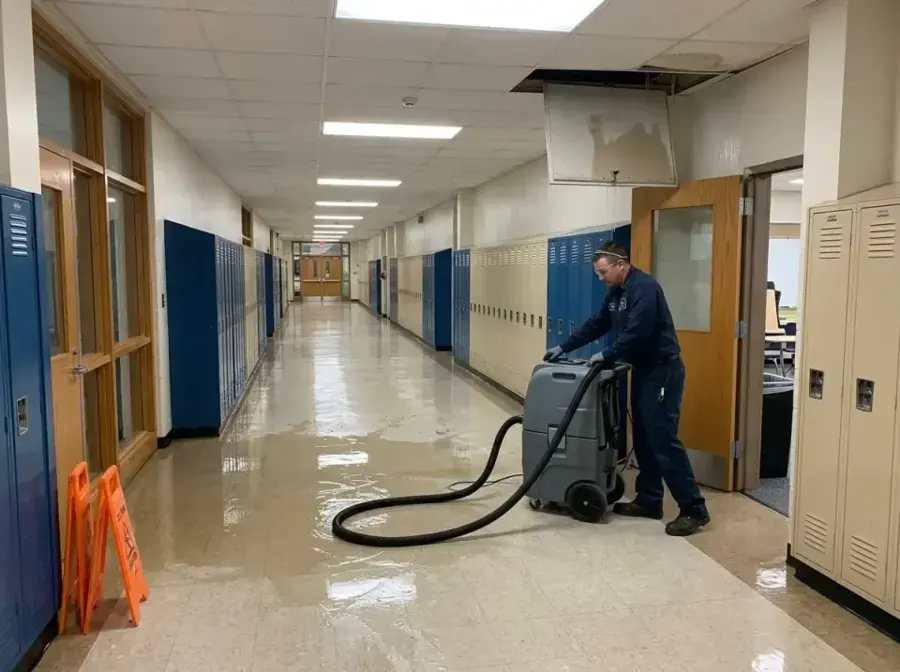 Commercial Water DamageOffices, shops and classrooms dried in phases so the business keeps working.View the service
Steps that limit the damage before drying begins
Start with the actions that stop the spread and preserve what a claim will need. None of them takes special tools.
Shut off the water source
Close the fixture valve or the main shutoff. If rain or runoff is the source, skip ahead and keep people away from the wet area.
Cut power to wet rooms
Switch off the breakers that feed wet rooms. Do not wade through standing water near outlets, cords or appliances.
Photograph before you move anything
Shoot wide and close-up pictures of the water, the damage and the belongings affected.
Lift what you can
Move small furniture, rugs and electronics to dry ground, and pull artwork off wet walls.
Open the air
Open interior doors and cabinet doors so wet spaces can breathe, but skip space heaters and the household vacuum.
Call before cleaning up
Reach a crew early, before demolition or dumping, so the extent of the loss is still visible for the record.
If storm water is coming in
- Stay out of moving water around the property, because it can hide debris and carry contamination.
- Keep vehicles and tools out of standing runoff, and do not drive through it.
- Clear gutters and drain covers only where it is safe to reach them.
- Treat mud inside as contaminated and wear gloves and boots when handling it.
Materials left wet beyond the first 24 to 48 hours swell, stain and invite mold, which is why drying starts early.
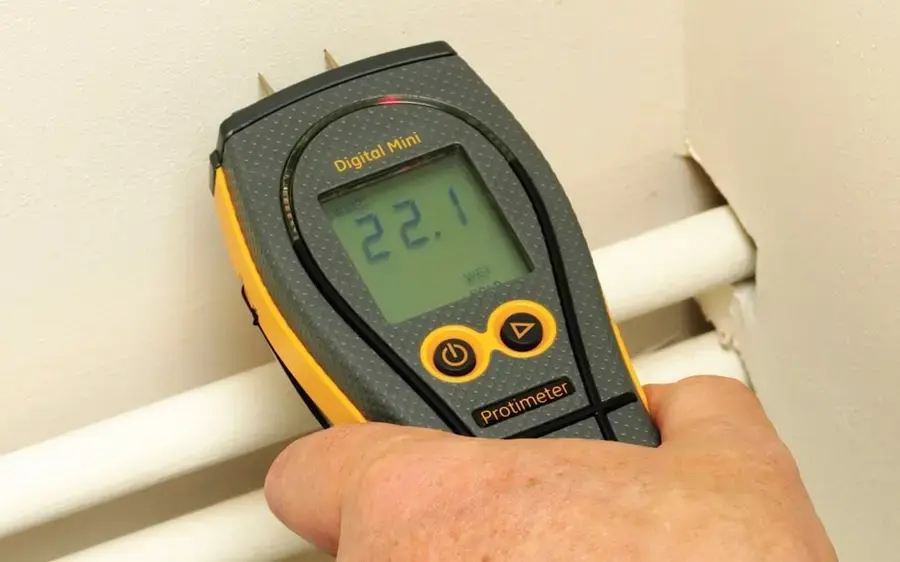
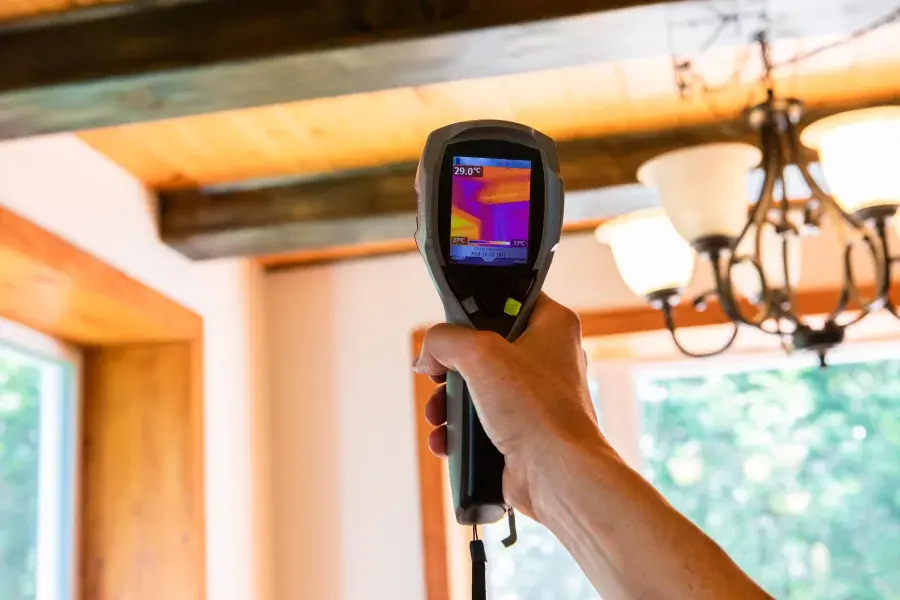
Drying that is measured, never guessed
Water moves into drywall, insulation and framing long after the surface looks fine. Technicians follow the IICRC S500 standard: find wet materials with meters, place equipment to match them, and keep logging until each reading reaches its dry goal.
- Moisture readings taken in every wet material
- Air movers set along wet walls and floors
- Dehumidifier output sized to the volume of the room
- A final dry reading before any equipment leaves
Read the building
A walk-through with a meter finds where water traveled, which materials absorbed it and how far it spread.
Remove the bulk water
Pumps and extractors take out standing water, and soaked pad or loose materials are carted away.
Open what holds water
Baseboards come off and drywall is cut where needed so trapped moisture can escape.
Set the drying equipment
Air movers, LGR dehumidifiers and, for dense materials, desiccant units are placed from the moisture map.
Check daily until dry
Readings are logged each visit, equipment is adjusted, and nothing is removed until every wet material reaches its dry goal.
Rapid local response
A Glendora crew works next door in San Dimas, which keeps trucks, extractors and drying equipment near the job.
IICRC S500 drying standard
Equipment placement and drying goals follow the industry standard, with psychrometric readings recorded instead of guessed.
Claim-ready documentation
Moisture maps, dated photos and equipment logs are kept in one file, ready to hand to an adjuster.
Local water know-how
San Dimas storm drains carry runoff toward the San Gabriel River, and the crew plans for runoff, older homes and shared buildings.
Clean, gray and black water are handled differently
Clean water
A split supply pipe or failed fitting releases clean water, which can often dry in place if it is caught early.
Burst pipe water damageGray water
Washer or dishwasher discharge and a bowl overflow carry some contamination, so porous materials often come out.
Toilet overflow cleanupBlack water
Sewage and storm runoff carry bacteria, so affected carpet, pad and drywall are removed and the area is disinfected before drying.
Sewage backup cleanupWhat the first day, the middle days and the finish look like
Water is extracted, wet materials are opened or removed, and equipment goes up with a first round of readings.
Technicians log readings, shift air movers and pull equipment from spots that reach dry.
Hardwood, concrete and plaster hold water stubbornly and can need extended desiccant drying.
The job ends when every reading matches the dry goal for its material, and the final readings go into your file.
What does water damage restoration cost in San Dimas?
Most San Dimas jobs fall between $1,200 and $15,000 or more. The total rises with each wet room, with contaminated water, and with dense materials such as hardwood and concrete that dry slowly. A moisture map sets the real number.
One or two rooms
$1,200 to $3,500- Air movers and one dehumidifier
- Moisture readings logged daily
- Wet baseboards pulled and dried
A larger area
$3,500 to $8,000- Several drying zones
- Wall cavities opened and dried
- Psychrometric logs each visit
Whole floor or Class 4
$8,000 to $15,000+- Desiccant dehumidification
- Soaked materials removed
- Extended monitoring
These ranges are planning figures, not quotes, because only a moisture map shows the true size of a job. The water damage cost calculator turns room counts and water type into a closer estimate for a San Dimas property.
Documentation for your insurance claim
Adjusters work from evidence, so the file starts on the first visit and records the loss exactly as it was found.
- Dated photos of the damage before any tear-out
- A moisture map showing every wet material
- Equipment placement and daily drying logs
- An itemized scope of what was removed and why
- A list of affected contents with photos
Homeowners, renters, condo and flood policies are written separately, so the paperwork a claim needs can differ from one policy to the next, and from one cause of water to another.
Ask your own insurer what applies before repairs begin; the crew documents the loss but does not decide the claim.
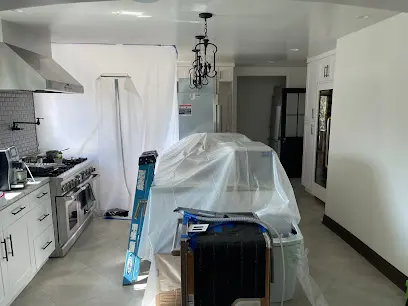
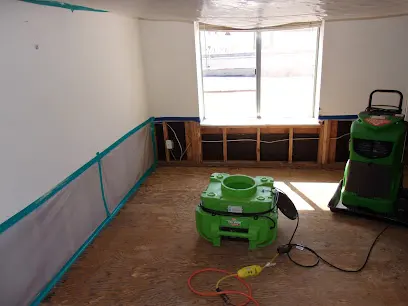
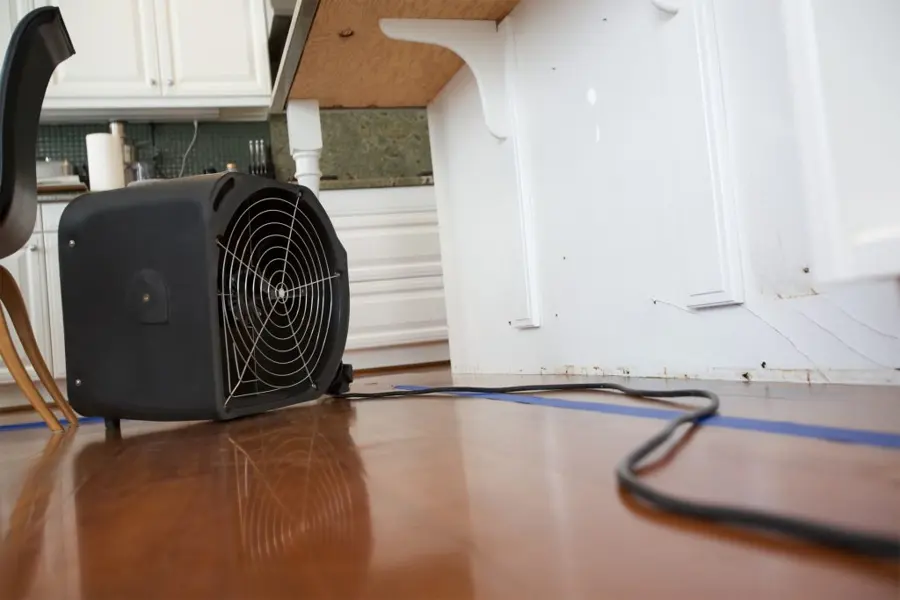
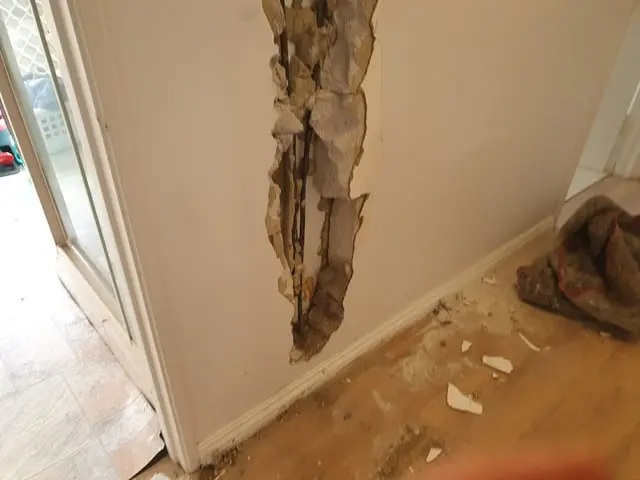
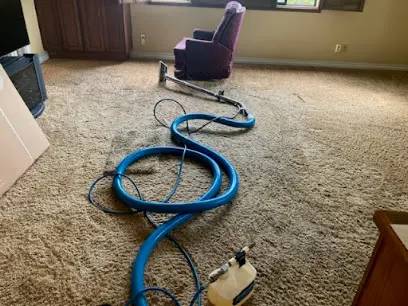
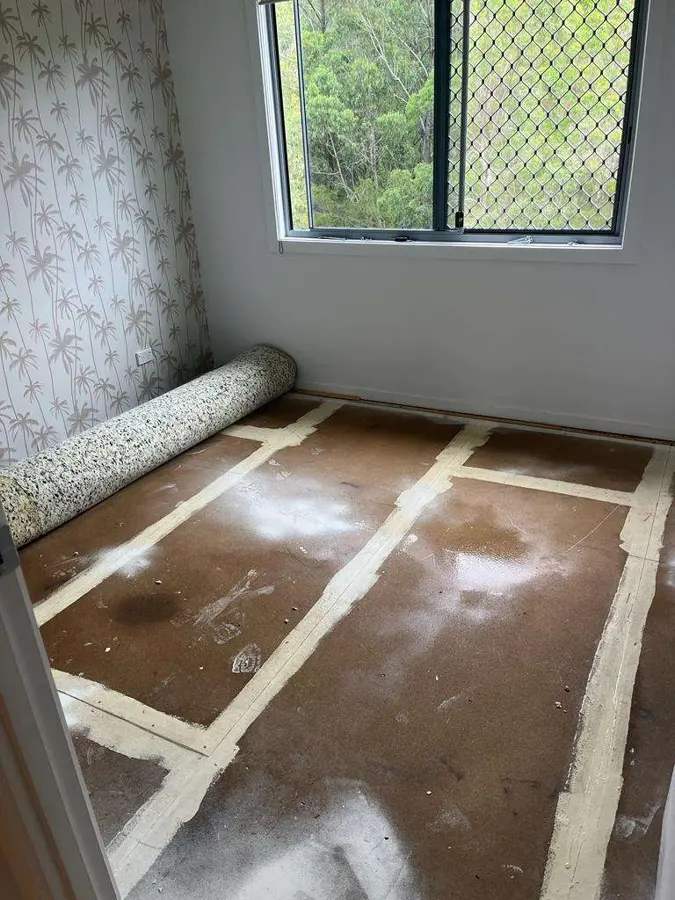
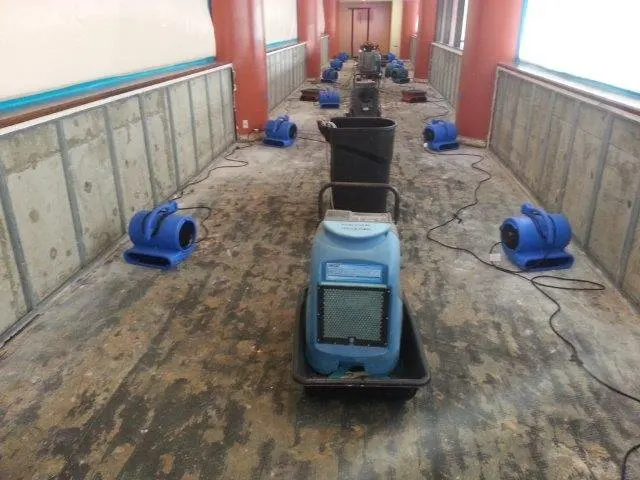
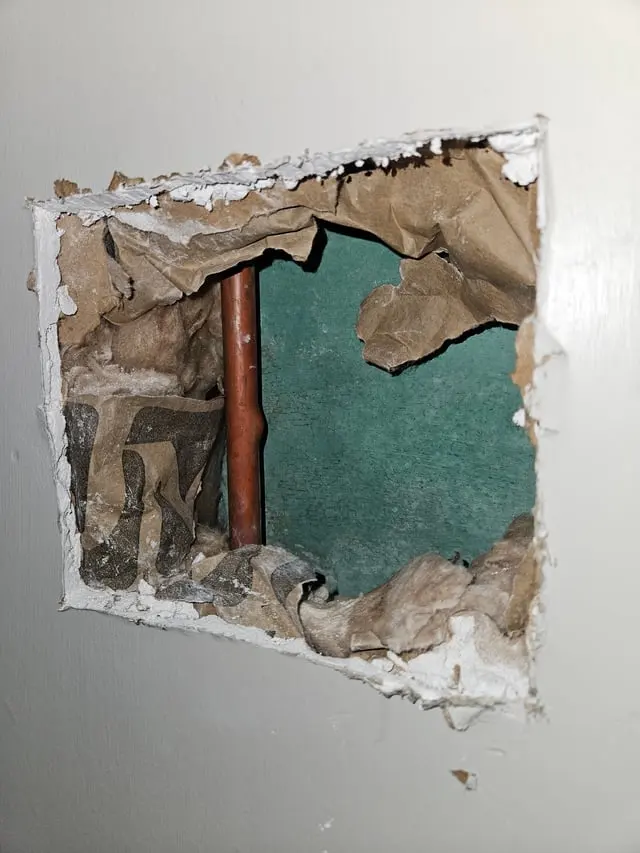
Equipment and tear-out from typical water damage jobs
The tools and tear-out behind a typical dry out.
What shapes water damage in San Dimas homes
San Dimas sits along the foothills of the San Gabriel Mountains, where storm runoff, older homes and shared buildings each leave their own mark on a water loss.
- Older homes. The median San Dimas home dates to 1976, and about 7,826 of 12,370 homes predate 1980, so aging fixtures, hoses and water heaters are common leak sources.
- Neighbors below. About 2,439 San Dimas homes share a building with other units, 706 of them in buildings of 50 or more units, so one leak can reach several households.
- Foothill runoff. Storm drains send street runoff to channels, creeks and the San Gabriel River, and mandatory evacuations were issued for five San Dimas homes on February 13, 2025.
- Sewer duties. The City of San Dimas owns its local sewer pipes and a county district maintains them, while county public works says the owner is responsible for the whole lateral.
- West San Dimas slopes. In the unincorporated community of West San Dimas, the county plan lists the northern edge as a dam inundation area and its hills and canyons as landslide hazards.
Areas served
Crews cover ZIP 91773, from Downtown San Dimas to Via Verde, the canyon edge and the county pockets around the city.
Central San Dimas
- Downtown San Dimas
- Bonita Avenue
- Foothill Boulevard
- Arrow Highway
Via Verde area
- Via Verde
- Puente Avenue
- San Dimas Avenue
Foothills and canyon
- San Dimas Canyon
- San Dimas Canyon Road
- Route 66
County areas next door
- West San Dimas
- East San Dimas
- Charter Oak
- Walnut Islands
Nearby cities
- 91773Downtown, Via Verde, the canyon edge and nearby county areas
San Dimas water damage questions
Who handles a sewer emergency in San Dimas?
For sewer emergencies, the city's sewer page directs residents to the Los Angeles County Consolidated Sewer Maintenance District. Other sewer questions go to the City of San Dimas Public Works Department, and sewage backup cleanup covers the mess inside.
What should be done first when a pipe bursts?
Close the fixture valve or the main shutoff, switch off power to wet rooms and photograph the damage before moving anything. Then call a crew so extraction and a moisture map can start.
Is storm runoff treated differently from a leak?
Yes. Water that comes in from streets and yards is contaminated, so reached carpet, pad and lower drywall are normally removed, then the area is disinfected and dried instead of drying in place.
How long does drying usually take?
Many clean-water jobs need several days of equipment time, while hardwood, concrete and plaster can need longer. The job ends when every reading reaches its dry goal. The drying time estimator gives a rough idea.
Does the crew work in apartments and condos?
Yes. About 2,439 San Dimas homes share a building with other units, so jobs often involve a neighbor or a property manager. Moisture is mapped in every affected unit, and the records are kept per unit.
Who owns the sewer lateral at a property?
Los Angeles County Public Works says the private property owner is responsible for the entire length of a sewer lateral, including the part under the public right of way. The restoration crew handles cleanup, not pipe repair.
What counts as Category 3 water?
Category 3 water is grossly contaminated, such as sewage or storm runoff. It calls for protective gear, removal of porous materials and antimicrobial treatment before any drying begins.
Can wet carpet and pad be saved?
Carpet that took clean water and is reached early can often be dried in place, though the pad is usually replaced. Contaminated water means both come out, and a meter reading makes the call.
What records support an insurance claim?
Dated photos, a moisture map, equipment logs, an itemized scope and a contents list. The crew builds that file during the job so the adjuster is not left chasing details.
Do water heaters here have to be strapped?
State law says so. California Health and Safety Code section 19211 requires new and replacement water heaters, and existing residential ones, to be braced, anchored or strapped against earthquake motion.
How are commercial losses handled?
Commercial water damage in offices, shops and classrooms is dried in phases so part of the space can keep running, with daily reports for the manager.
Water in a San Dimas building needs a crew now
Call day or night and a crew will start with the shutoff, the extraction and a moisture map.