Water Damage Restoration in Covina, CA
Covina lies at the foot of the San Gabriel Mountains, and its water losses come from split pipes, tired appliances and winter storms. Crews pump water out first, then dry every wet wall and floor.
(888) 578-6508Call a Covina water removal crew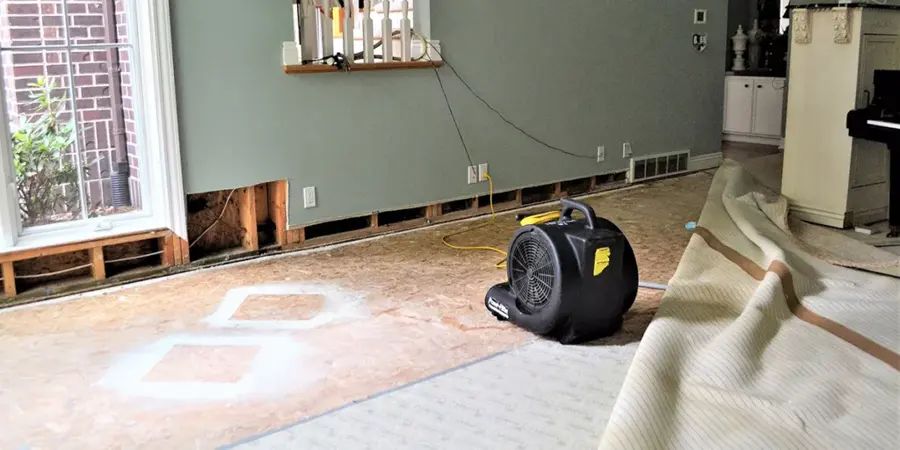
Water damage services for Covina homes and businesses
Each water problem below has its own Covina page, whether it began with a cracked pipe, a leaking appliance, a roof drip or runoff from a winter storm.
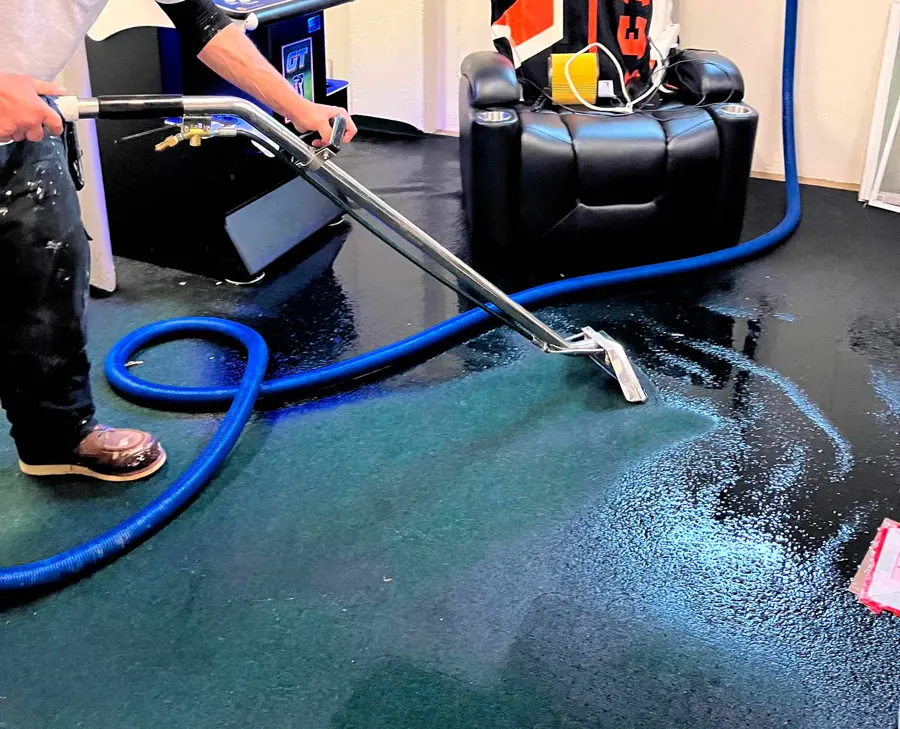 Water Extraction and RemovalPumps and wands pull standing water and soaked pad out before drying starts.View the service
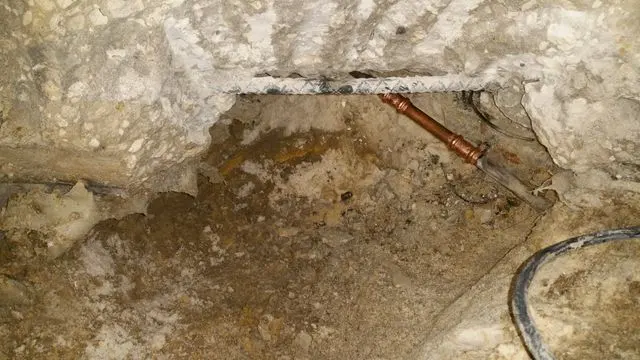 Slab Leak Water DamageWater from a pipe beneath a concrete floor, found and then dried out.View the service
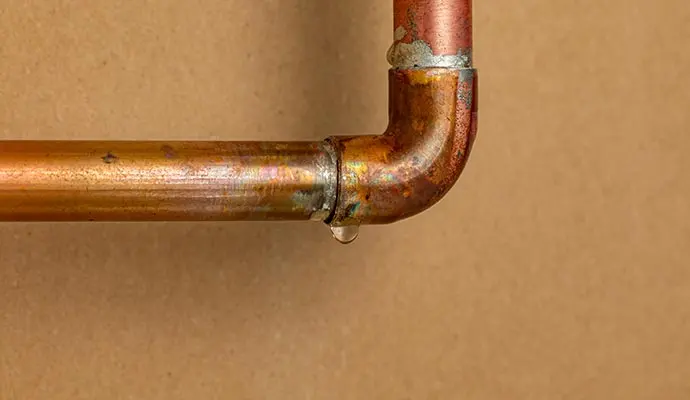 Burst Pipe Water DamageSplit or failed pipes that soak walls, ceilings and floors fast.View the service
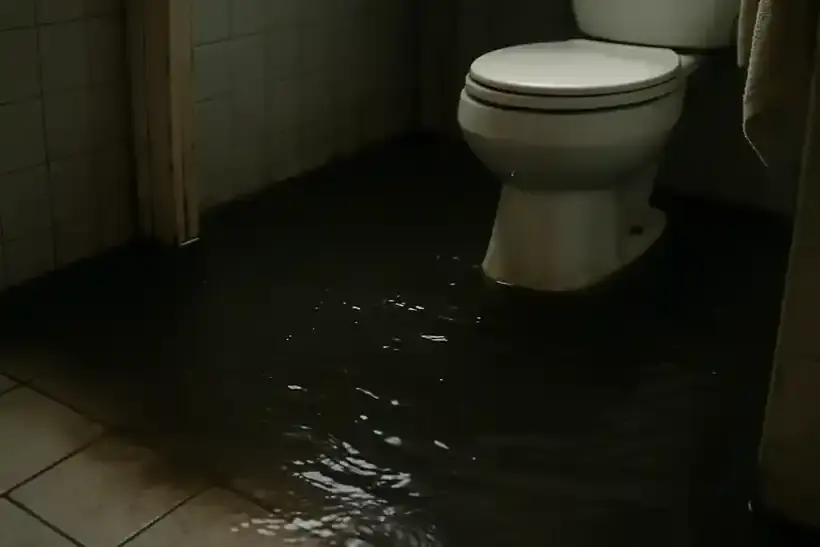 Sewage Backup CleanupContaminated water from drains and toilets, removed with containment and protective gear.View the service
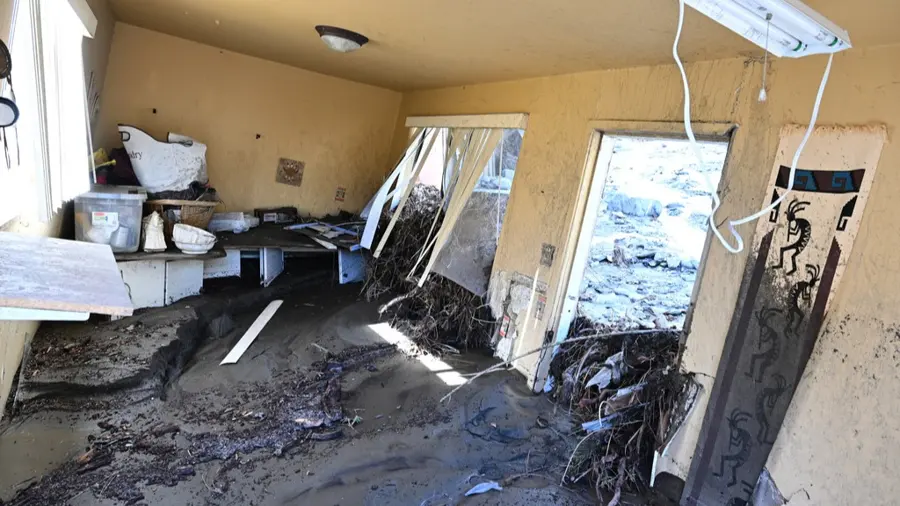 Storm Runoff and Flood CleanupStorm runoff and mud that pushes into garages and ground floors.View the service
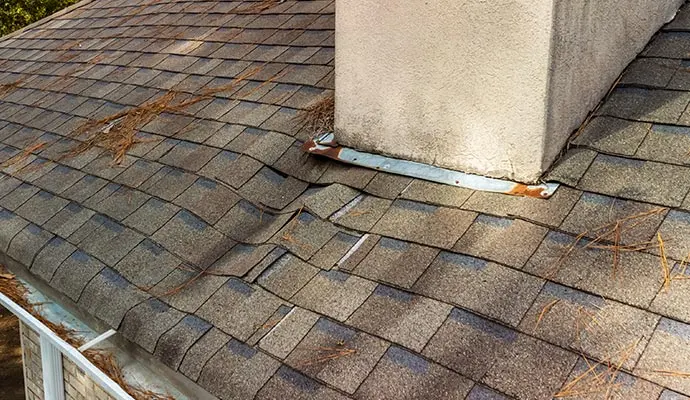 Roof Leak Water DamageRain that gets past the roof and soaks insulation, ceilings and walls.View the service
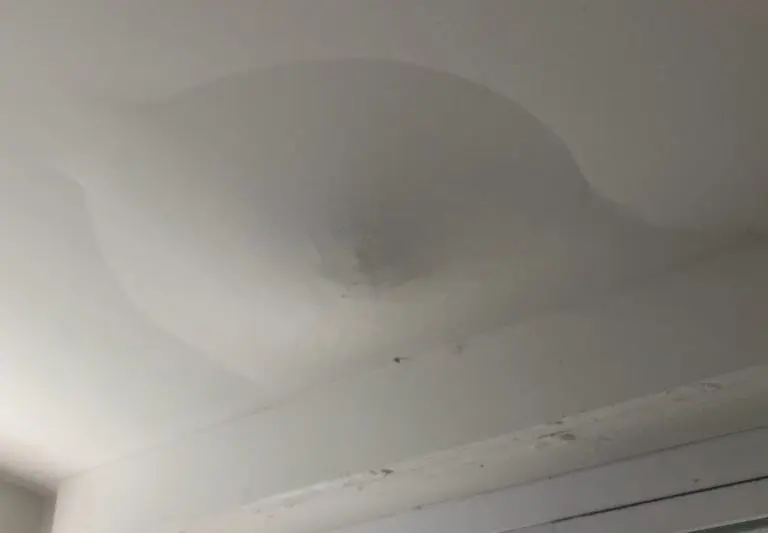 Ceiling Leak Water DamageSagging, stained or dripping ceilings from a leak above, roof or upstairs unit.View the service
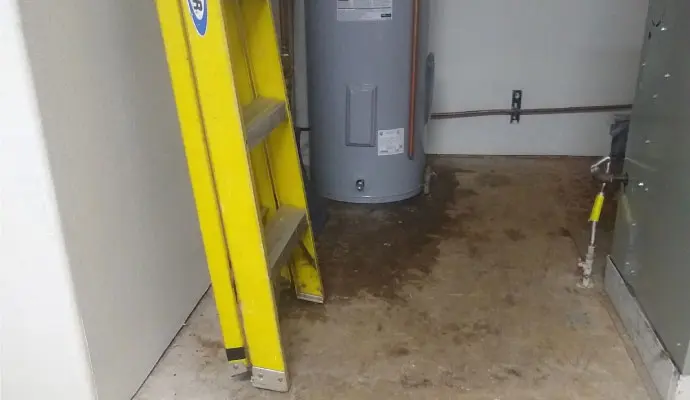 Water Heater Leak CleanupA leaking or failed tank, with the floor, cabinet and wall bottoms dried.View the service
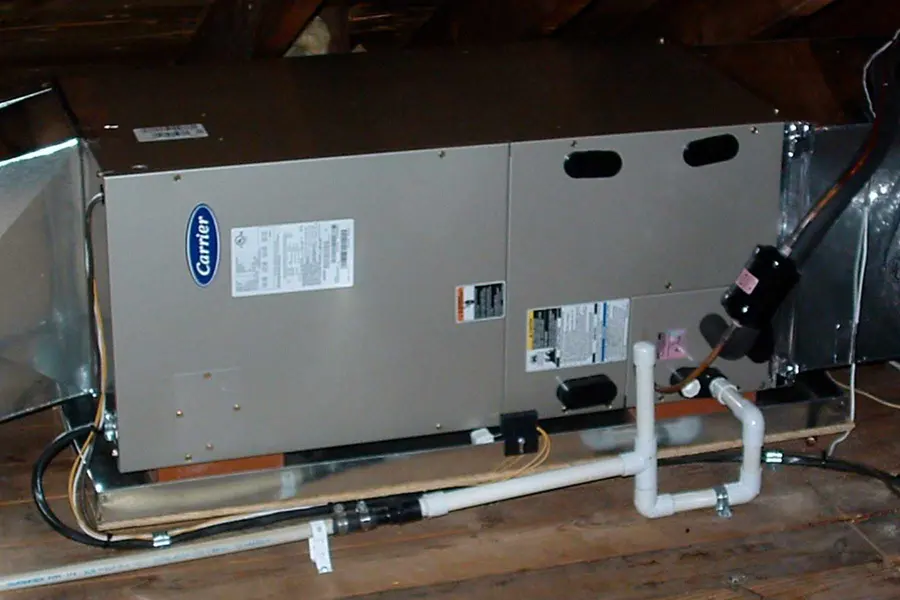 AC Condensate Leak Water DamageClogged condensate drains that overflow into attics, ceilings and closets.View the service
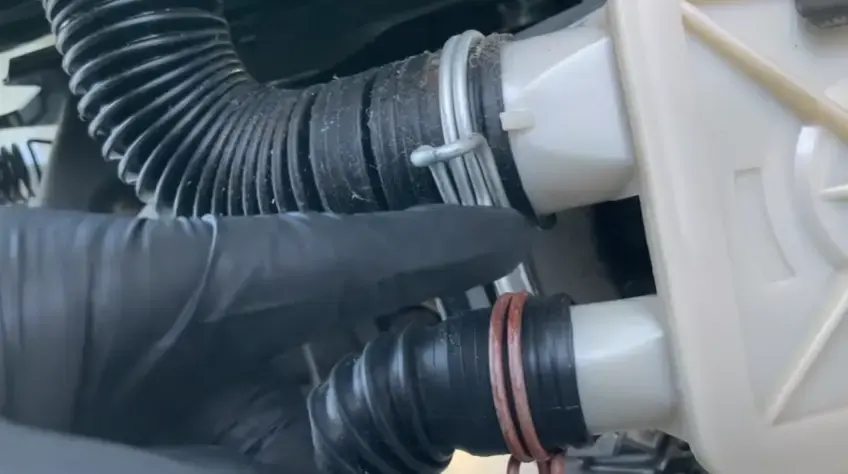 Appliance Leak Water DamageWashers, dishwashers and refrigerators that leak behind cabinets or into the next unit.View the service
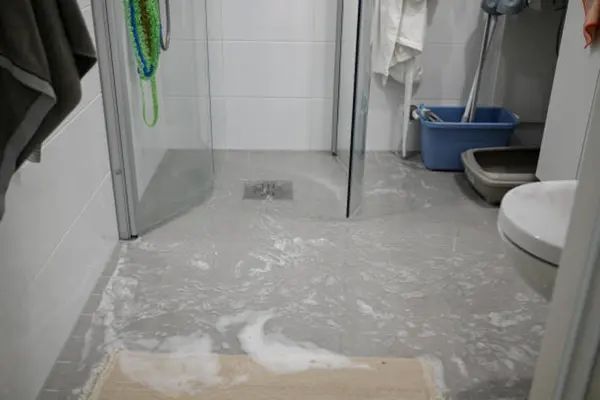 Toilet Overflow CleanupOverflowing toilets cleaned and dried, with contaminated materials taken out.View the service
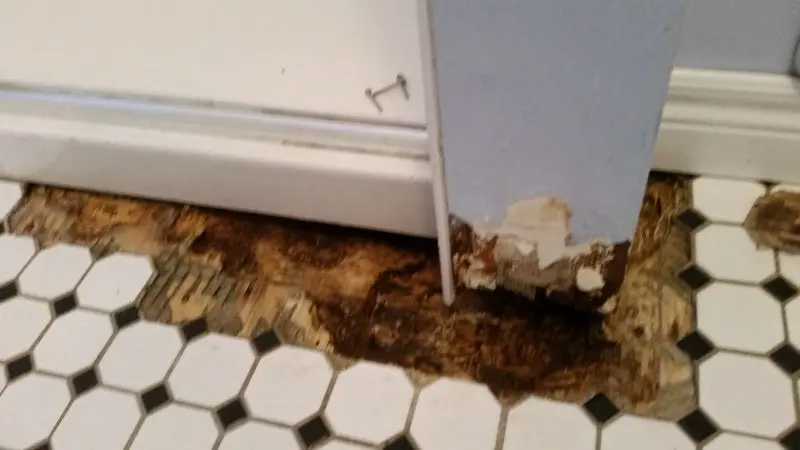 Shower and Tub Leak Water DamageShower pan, tub and drain leaks that wet the subfloor or the room below.View the service
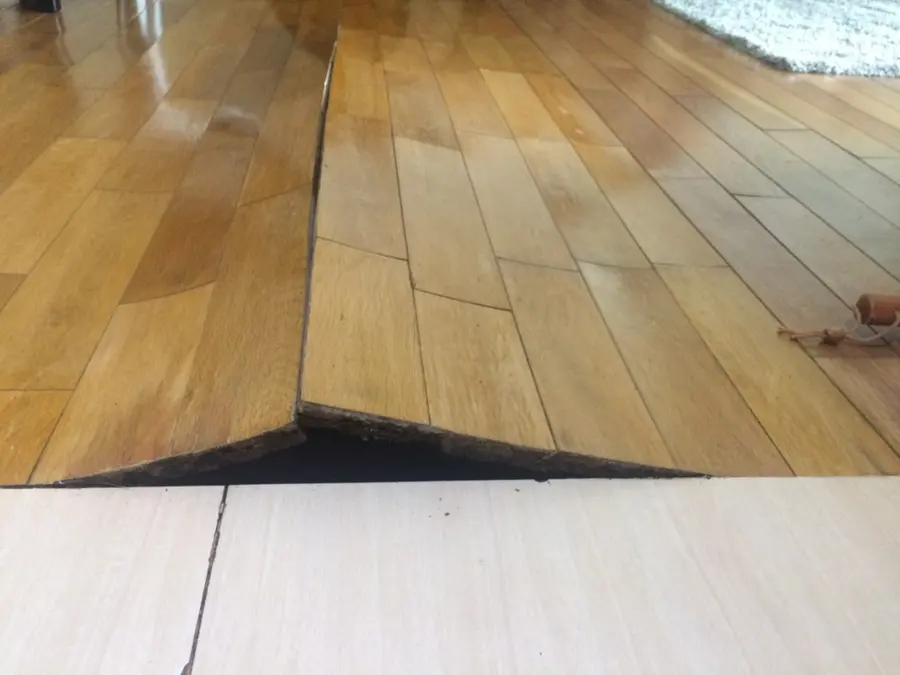 Hardwood Floor Water DamageCupped or buckled boards dried in place when possible, removed when not.View the service
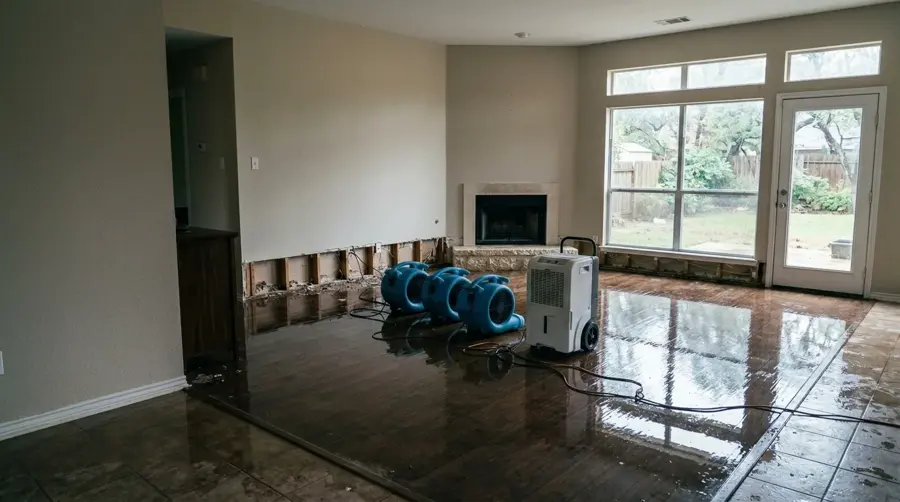 Structural Drying and DehumidificationAir movers, dehumidifiers and daily readings until walls and framing test dry.View the service
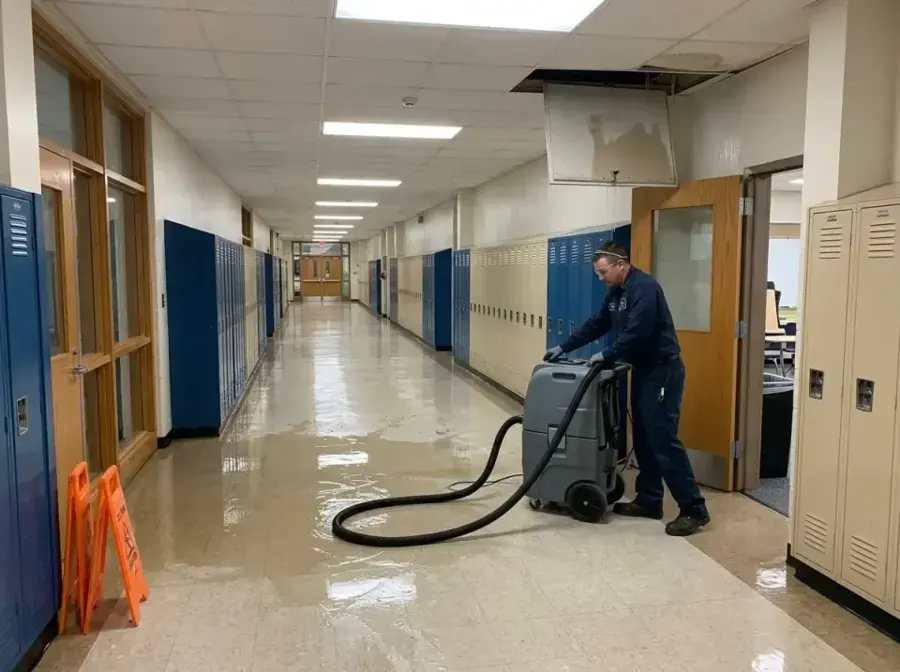 Commercial Water DamageShops, offices and school buildings dried in phases so the business keeps running.View the service
First moves while the water is still spreading
These steps protect people, belongings and the building until a crew reaches the house. Do only what is safe.
Stop the source
Close the fixture valve or the main shutoff. A pipe that is still pouring will undo any cleanup, so this comes before everything else.
Cut power near water
Switch off the breakers feeding wet rooms. Never wade toward outlets, cords or a plugged-in appliance.
Lift what you can
Move small furniture, rugs and electronics onto dry ground, and set blocks under heavy furniture legs.
Photograph everything
Take wide and close photos of the water and the damage before anything is moved or thrown out.
Write down the timeline
Note when the water started, what it touched and what stopped it. The crew uses that to plan the work.
Call for help
Tell the crew whether the water was clean, from a drain, or from outside. That decides the gear and protection.
If the water came from outside
- Treat runoff and drain water as contaminated, and wear boots and gloves if you must walk through it.
- Keep the vacuum, space heater and fans away from the wet area until power is checked.
- Keep pets out of rooms where the water sat.
- Do not spray bleach on porous materials, because removal does the real work.
Wet drywall, pad and framing begin to fail quickly, so the first 24 to 48 hours decide how much can be dried instead of replaced.
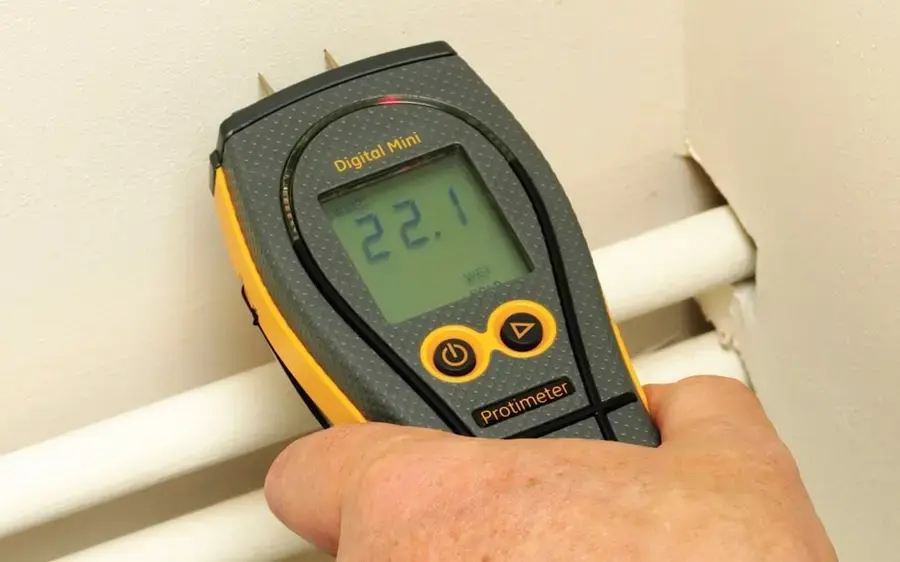
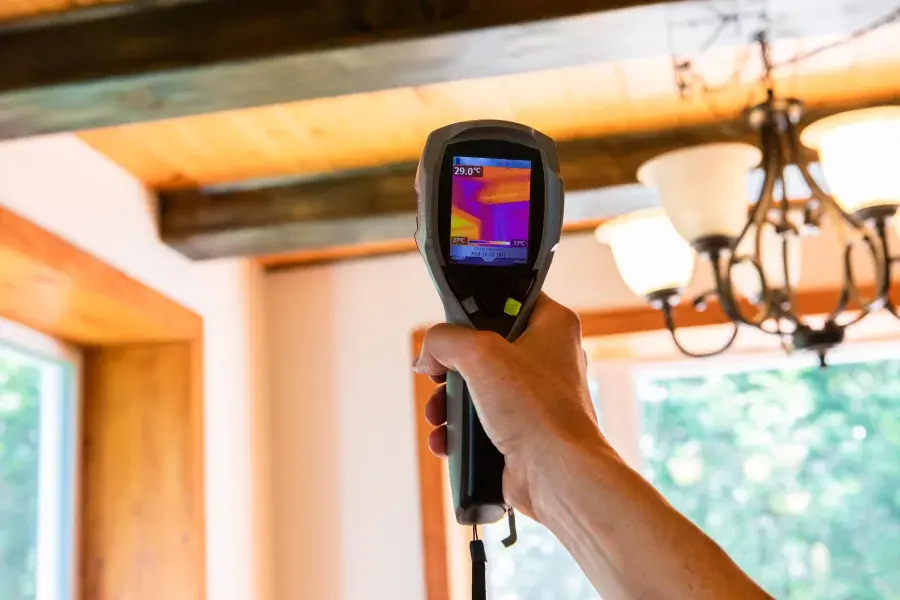
A dry-out plan built on meter readings, not guesses
Water travels through floors, walls and ceilings well past the visible stain. A crew reads the building with meters, then sets air movers and dehumidifiers to match what the readings show, and keeps them running until the numbers fall to dry.
- Moisture meter readings on every wet floor and wall
- Thermal camera scan of ceilings and wall cavities
- Dehumidifier capacity matched to the room's size
- Daily logs showing each reading fall
Read the building
A moisture meter and thermal camera trace how far the water went, wall by wall and floor by floor.
Pull out the bulk
Pumps and wands remove standing water, and soaked pad or loose carpet comes up so it cannot hold moisture.
Open the wet spots
Baseboards come off and lower drywall is cut back where water wicked up, giving air a path into the cavity.
Set the equipment
Air movers and dehumidifiers go in by room volume and wet area, then get repositioned as readings change.
Prove it is dry
Meters go back to every wet spot until the readings match an unaffected reference wall.
Rapid local response
Crews that cover the East San Gabriel Valley take Covina jobs and carry extraction and drying gear suited to pipes, appliances and storms.
IICRC S500 drying standard
Drying follows the S500 water damage standard, which sorts water by contamination level and materials by how much moisture they hold.
Claim-ready documentation
Photos, meter logs and equipment records are saved for every job so an adjuster can follow what was done and why.
Local water know-how
Covina's mix of water providers, shared buildings and winter storm runoff shapes how each loss is assessed.
Clean, gray and black water are handled differently
Clean water
A supply pipe or fixture failure starts as clean water, but it turns gray if it sits on wet materials too long.
Burst pipe water damageGray water
A toilet bowl overflow, or a washer or dishwasher drain spill, carries soap and light contamination, so wet porous materials usually come out.
Toilet overflow cleanupBlack water
Sewage, rising drain water and storm runoff carry bacteria, so crews wear protective gear and remove soaked porous materials.
Sewage backup cleanupHow a dry-out unfolds, from the first day to the last reading
Water is pumped out, the wet area is mapped, and equipment goes in before the building can absorb more.
Readings are taken daily, equipment is moved or pulled as spots dry, and stubborn cavities get targeted air.
Hardwood, plaster and concrete hold water the longest, so they set the finish date.
A job is done when the meters read dry, not when the room feels dry, and equipment leaves only then.
What does water damage cleanup cost in Covina, CA?
Most Covina jobs fall between $1,200 and $15,000, depending on how many rooms got wet, what kind of water it was and how long the framing needs to dry. Contaminated water and hardwood push a job toward the top.
One or two wet rooms
$1,200 to $3,500- Air movers and one dehumidifier
- Wet baseboards removed
- Readings logged daily
A larger area
$3,500 to $8,000- Several drying zones running
- Wall cavities opened up
- Equipment moved as spots dry
Whole floor or deep soak
$8,000 to $15,000+- Soaked materials removed
- Desiccant or heat drying
- Longer monitoring period
Square footage, water category and material type move the price more than the address does. For a planning number before anyone visits, run your room sizes and the type of water through the water damage cost calculator.
Documentation for your insurance claim
An adjuster decides on evidence, so the job file should show what the water touched, when drying began and how the readings changed.
- Dated photos of all damage before cleanup begins
- A moisture map of floors and walls
- Daily meter readings and equipment counts
- Receipts for repairs and hauled-away materials
- A written account of the cause and the timing
Standard homeowner policies often cover sudden, accidental water from a failed pipe or appliance, while seepage over time, rising ground water and flood from outside typically need their own terms or a separate flood policy.
Only your own insurer can say what your policy pays, so ask before work starts.
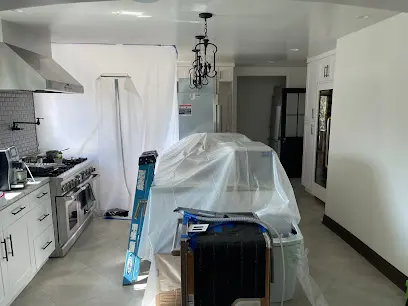
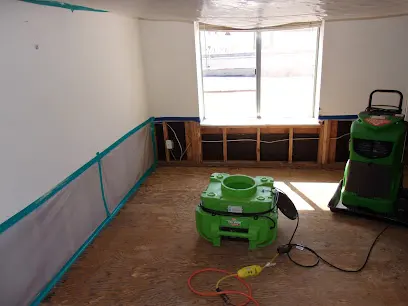
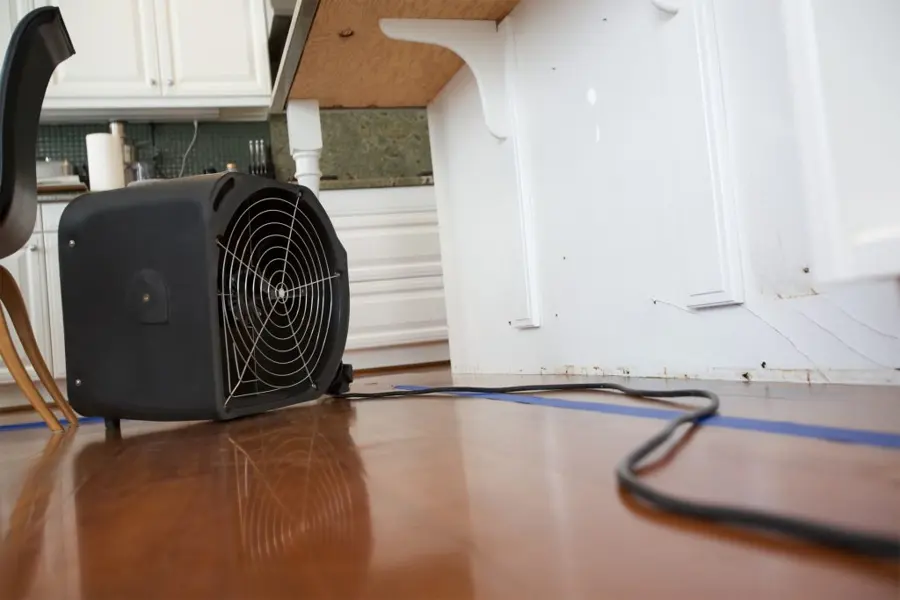
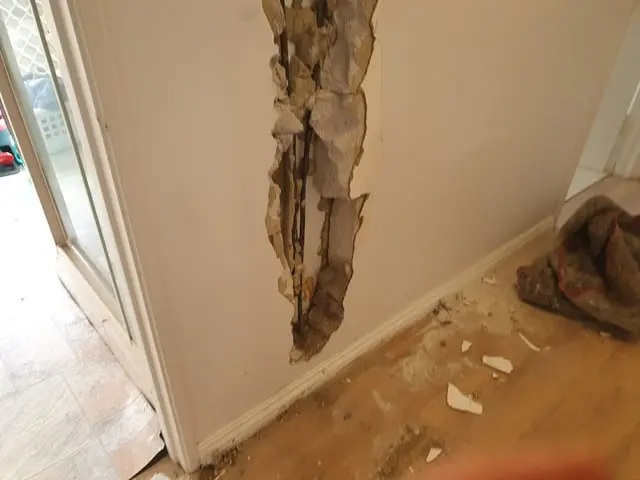
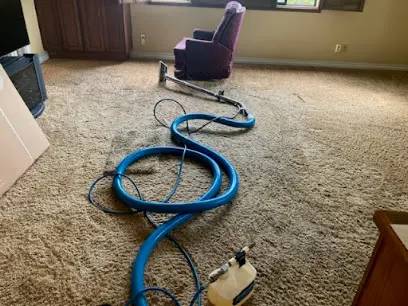
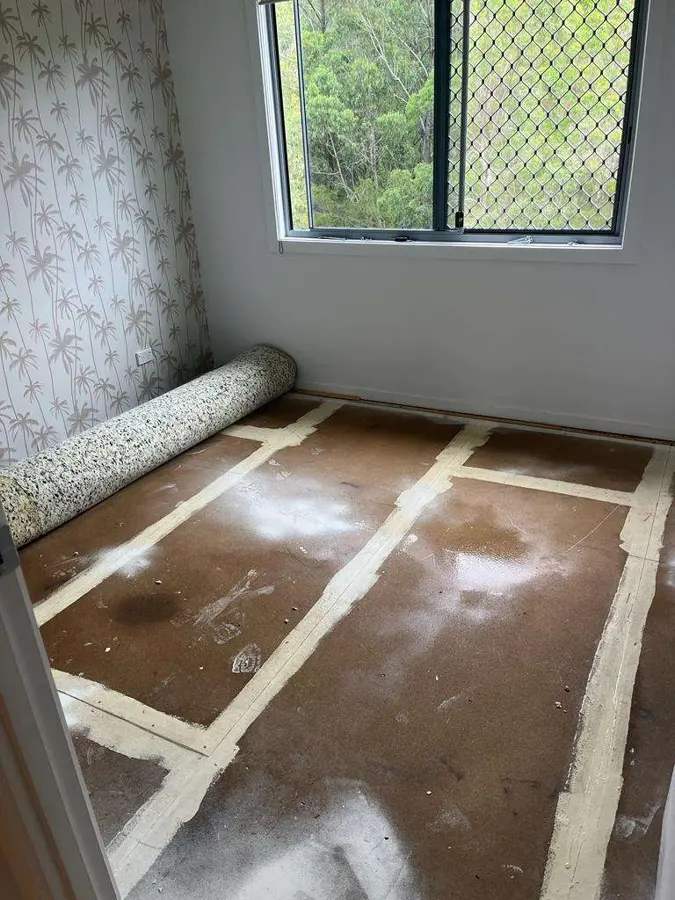
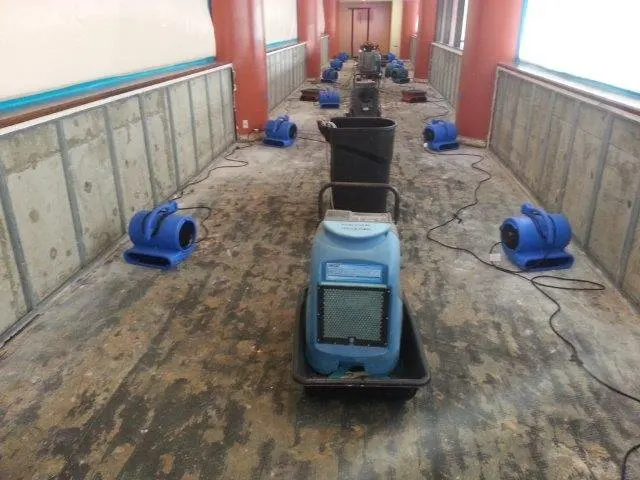
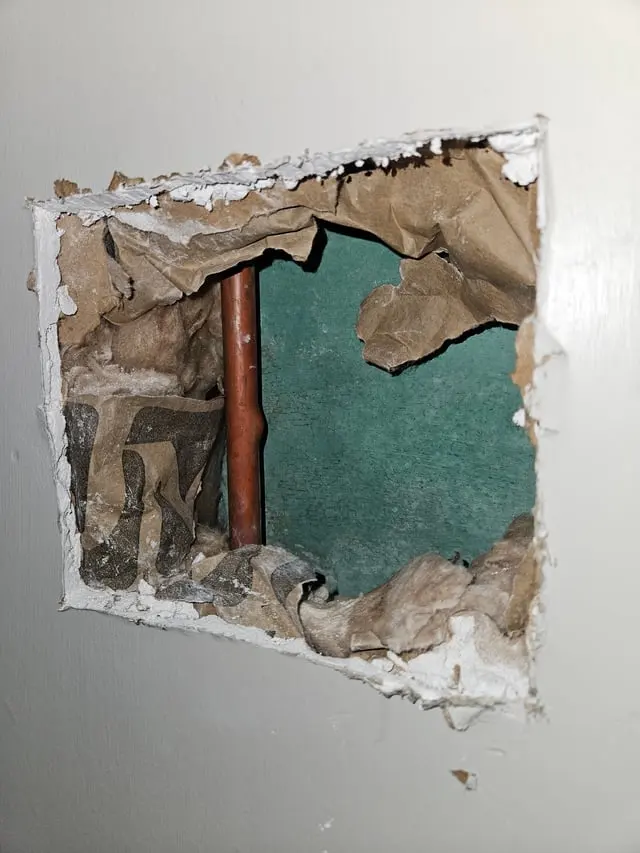
What drying equipment looks like inside a wet home
Typical setups and tear-out stages, laid out the way crews place them.
What shapes water damage risk in Covina homes
Covina has 16,978 housing units, from detached houses to apartment buildings with 50 or more units, and that mix shapes how water losses start and spread here.
- Housing age. The median Covina home was built in 1965, and 12,929 of 16,978 homes predate 1980. Age is no prediction, but older fixtures and water heaters do fail.
- Shared walls. A total of 5,695 homes sit in buildings with two or more units, so a leak in one unit can reach the ceiling or wall of another.
- Winter rain. Covina averages about 18 inches of rain a year, falling mostly from December through March, with February the wettest month at 4.66 inches.
- Street water. On March 29, 2012, a water main break flooded part of San Bernardino Road in an unincorporated county area near Covina, where the right-hand lanes became rivers for a full city block.
- Several water providers. The City of Covina Water Division serves about 33,300 people, while four other providers serve parts of Covina, so it pays to know which one feeds a property.
Areas served
The crew covers ZIP codes 91722, 91723 and 91724, plus the unincorporated areas of Charter Oak, Vincent and Ramona beside the city.
Central Covina
- Downtown Covina
- Historic Citrus Avenue
- Covina Park
- Covina Public Library
Main corridors
- Arrow Highway
- Azusa Avenue
- Covina Boulevard
- Badillo corridor
Beside the city
- Charter Oak
- Vincent
- Ramona
Nearby cities
- 91722Covina
- 91723Covina, including City Hall
- 91724Covina
Covina water damage questions answered
How soon does drying need to start?
As soon as the source is stopped. Wet drywall, pad and framing keep absorbing and breaking down, so extraction and equipment belong in the first 24 to 48 hours.
Which water provider serves my Covina address?
Check the name on your water bill. The City of Covina Water Division serves about 8,500 connections, while City of Azusa Light & Water, Golden State Water, Valencia Heights Water Company and Suburban Water Company serve other parts.
Is the Level 2 water shortage still in force?
The City's Water Division page posted a Level 2 Water Supply Shortage effective August 4, 2022, with mandatory conservation measures for City water customers. Ask the City whether it applies today.
Who fixes a backed-up sewer drain on my property?
The City of Covina's Public Works page says homeowners maintain the house connection to the sanitary sewer, including the lateral and nearby trees and roots. A plumber's camera shows where the stoppage sits, and cleanup afterward falls under sewage backup cleanup.
Does a failed water heater need a permit?
The City requires a plumbing permit for every water heater replacement or new installation, according to its handout effective January 1, 2023. Cleaning up the leaked water is a separate job, covered under water heater leak cleanup.
Can a leak in one apartment damage the unit below?
Yes. Water follows shared walls and ceilings, and 5,695 Covina homes sit in buildings with two or more units. Tell the property manager and photograph the damage inside your own unit.
I rent my home. Who calls a restoration crew?
Report the leak to the landlord or property manager in writing right away. Of Covina's 16,292 occupied homes, 6,720 are renter-occupied, and your own renters policy may cover your belongings.
Is flood insurance separate from homeowner coverage?
Usually. Flood from outside generally needs its own policy, and the county floodplain plan lists only 6 flood insurance policies in force in Covina as of July 31, 2019. Check your own policy before a storm.
What do the daily drying logs show?
Each visit records moisture readings, indoor humidity and the equipment running. The trend proves the drying is working and tells the crew when walls are ready for repair.
Did the February 2023 storm warning mean Covina flooded?
Not by itself. National Weather Service flash flood messaging on February 24, 2023 named Covina, Glendora and San Dimas among areas likely to see flash flooding, which is a warning, not a damage report.
Can wet carpet or hardwood be saved?
Clean water caught early often leaves carpet and sealed hardwood salvageable, with the pad replaced. Water that sat for days or carried sewage usually means removal, and meter readings settle the question.
Wet floors and walls in Covina need a dry-out plan
Say which rooms are wet and what caused it, and the crew can bring the right pumps and dryers.