Glendora · CAWater Damage Restoration
Foothill storm water

Storm Runoff and Flood Cleanup in Glendora, CA

24/7 flood cleanup in Glendora. The restoration crew removes storm runoff and mud from the house, cuts out everything porous the water touched, cleans and treats what stays and dries the structure to the IICRC S500 standard.

(888) 578-6508Runoff or mud inside a Glendora home? Call now.
Mud and runoff removal Category 3 handling Drying to IICRC S500
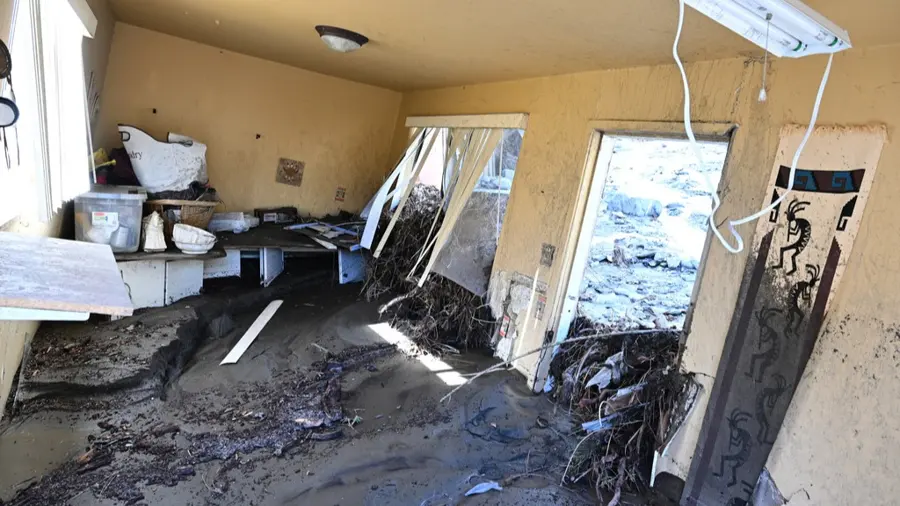
Mud and debris pushed through broken doors into a home after a storm flow
Water categoryCategory 3, from outside
Usual seasonDecember to February storms
What comes outCarpet, pad, lower drywall
Drying goalFraming within 2 to 4 points of dry
Right now

First steps for storm runoff and flood cleanup in Glendora

  1. Get to safety first

    Stay out of moving water and mud, and follow evacuation orders for foothill streets.

  2. Turn off power if safe

    Shut off the main breaker only if the panel is dry and you can reach it without standing in water.

  3. Photograph the damage

    Photograph the water and mud marks inside and outside before cleanup starts.

  4. Keep away from the mud

    Treat mud and runoff as contaminated; wear boots and gloves if you have to walk through it.

How this loss behaves
Water categoryCategory 3, storm water from outside
Usual entryDoors, garage doors and slab edges on the uphill side
What comes outCarpet, pad, lower drywall and insulation
Insurance noteUsually needs a separate flood policy
Typical cost ranges

What does storm runoff and flood cleanup cost in Glendora, CA?

In Glendora, CA, storm runoff and flood cleanup typically runs $3,000 to $15,000: water and light silt in one or two rooms sits at the low end, while mud through several rooms and the garage reaches $30,000 or more.

One or two rooms

$3,000 to $7,000
  • Water and light silt removed
  • Lower drywall and pad out
  • Antimicrobial and drying

Several rooms and garage

$7,000 to $15,000
  • Mud shoveled and extracted
  • Flood cuts through the rooms
  • Extended structural drying

Heavy mud flow

$15,000 to $30,000+
  • Mud removed from the whole floor
  • Cabinets, doors and flooring out
  • Full claim documentation

Ranges are typical, not a quote. The water category, the square footage that got wet, the material class and how soon drying started move the number most. The Glendora water damage cost calculator gives a closer planning range.

The process

How storm runoff and flood cleanup is handled in Glendora

Moisture gets mapped before any equipment goes down, and the equipment stays until the readings say dry, not until the room looks dry.

  1. Clear the mud

    The flood cleanup crew shovels and squeegees out mud and silt before extraction starts.

  2. Extract and tear out

    The crew extracts standing water, then removes carpet, pad and lower drywall below the water mark.

  3. Clean and treat

    The team cleans studs, slab and hard surfaces and applies an EPA-registered antimicrobial.

  4. Dry to the goal

    LGR dehumidifiers and air movers run until the framing and slab read dry.

Rapid local response

Restoration crews dispatch 24/7 across Glendora, because water keeps moving into subfloor, cabinets and drywall after dark.

IICRC S500 drying standard

The drying team works to IICRC S500: structural drying, not just surface drying, with readings logged daily.

Claim-ready documentation

A moisture map, psychrometric logs and timestamped photos build the file an adjuster reviews.

Foothill water know-how

Slab leaks, aging supply pipe, attic AC overflows and winter storm runoff are everyday work across the San Gabriel Valley foothills.

Glendora sits at the foot of the San Gabriel Mountains, and most of its yearly rain falls in a few winter storms. When a storm stalls over the canyons, water and mud come down the washes and streets toward the lowest yards, garages and slab edges.

Storm runoff and mud flows in Glendora

The city has seen it before. In January 1969, storms sent mud and boulders down onto foothill streets such as Calabria Drive. In February 2014, a storm over burned slopes above north Glendora sent debris flows toward Rainbow Drive and Easley Canyon Road and led to evacuations. Big Dalton Wash and Little Dalton Wash carry storm water through town, and debris basins above the city catch much of the mud before it reaches homes.

How storm runoff cleanup works

  • The crew shovels and squeegees out mud and silt before extraction
  • Truck-mounted units extract the standing water
  • Carpet, pad and drywall below the water mark come out
  • The team cleans hard surfaces and applies an EPA-registered antimicrobial
  • Air movers and LGR dehumidifiers run until the framing reads dry

Runoff that comes in from outside counts as Category 3 water, because it carries soil, debris and whatever it picked up on the way. That is why the flood cleanup crew removes porous materials instead of drying them in place.

Before the next storm

Clear yard drains and gutters, keep sandbags at door thresholds and know the way out if evacuation orders come for foothill streets. National Weather Service flood safety explains watches and warnings, and FEMA flood insurance covers the separate flood policies that a standard homeowners policy leaves out. The foothill storm water check gives a rough read on how exposed a lot is.

Related

Related water damage services in Glendora

Planning tools for the next step

Coverage

Storm runoff and flood cleanup across Glendora

Glendora Water Damage Restoration covers ZIP 91740 and 91741, from the Village and the Route 66 corridor up through Gordon Highlands and Easley Canyon, and from South Hills across to the streets along Big Dalton Wash and Lone Hill Avenue.

Nearby coverage reaches Azusa, Covina, San Dimas, Duarte, La Verne, Charter Oak, West Covina and Irwindale.

Glendora, CA service area

See every Glendora neighborhood and ZIP

Questions

Storm Runoff and Flood Cleanup questions in Glendora, CA

Does homeowners insurance cover storm runoff in California?

Standard homeowners policies usually exclude flood and mud flow from outside, which a separate flood policy covers. Rain that comes through a damaged roof is handled differently. Coverage depends on your policy, so check with your own insurer.

Why does drywall come out after a flood?

Runoff is Category 3 water. Drywall wicks it above the visible mark, so the crew cuts above the wet mark to clean and dry the wall cavity.

Can a garage be cleaned after a mud flow?

Yes. Garages usually have concrete floors and less finish material, so cleanup focuses on mud removal, cleaning, treatment and drying the walls.

How long does flood cleanup take?

Mud removal and tear-out often take one to three days, and drying adds several more. Heavy mud flows through a whole floor take longer.

Which Glendora homes see storm runoff?

Lots below foothill slopes and canyons, low yards near the washes and streets where water collects in heavy storms see it most.

Should sandbags go up before a storm?

On lots where water has come in before, sandbags at door thresholds and the garage door help steer water away. They slow water down; they do not stop a mud flow.

24/7 water emergencies

Storm runoff in a Glendora home? Call now.

Mud removal, Category 3 tear-out, antimicrobial treatment and drying, any hour of a storm.

(888) 578-6508Get Glendora flood cleanup moving
Call (888) 578-6508 24/7