Water Damage Restoration in Azusa, CA
24/7 water damage restoration in Azusa, CA. Local restoration pros extract water and mud, dry the building to the IICRC S500 standard and keep a daily record of the readings for the claim.
(888) 578-6508Water or mud inside an Azusa home? Call now.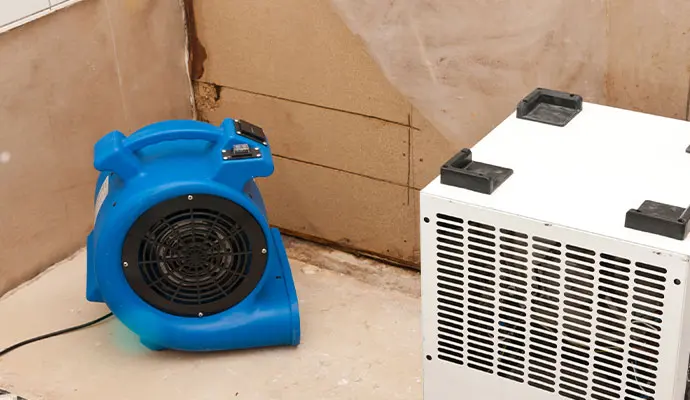
Water Damage Restoration Services in Azusa, CA
From a supply pipe that fails in a 1970s home to mud carried down from the foothills, each Azusa service below is water or sewage work with one drying standard.
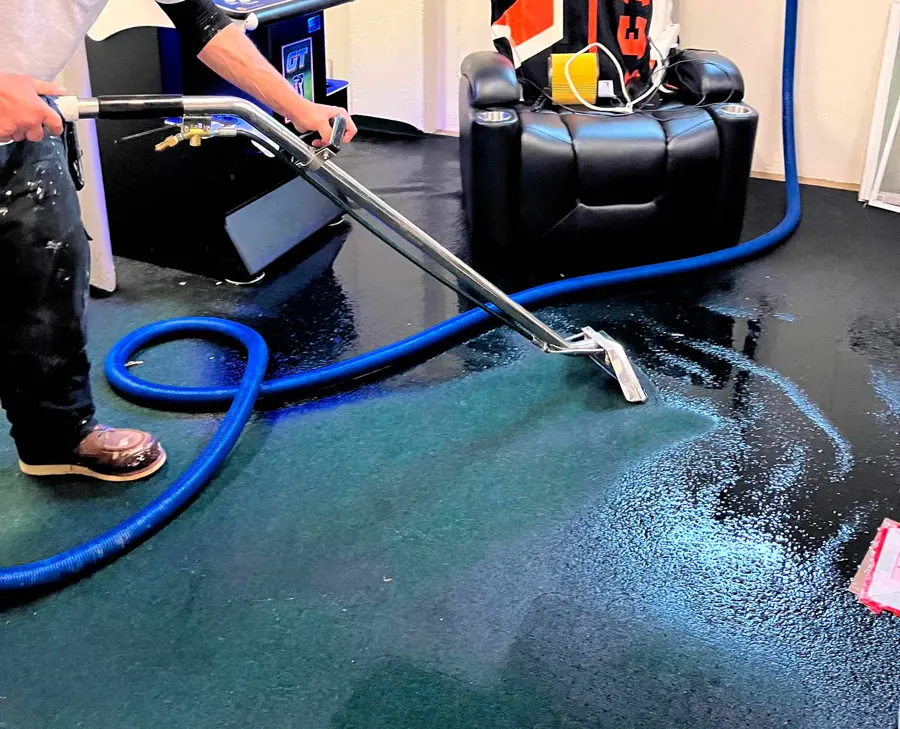 Water Extraction and RemovalPumps and wands clear water and silt from floors before any fan starts.View the service
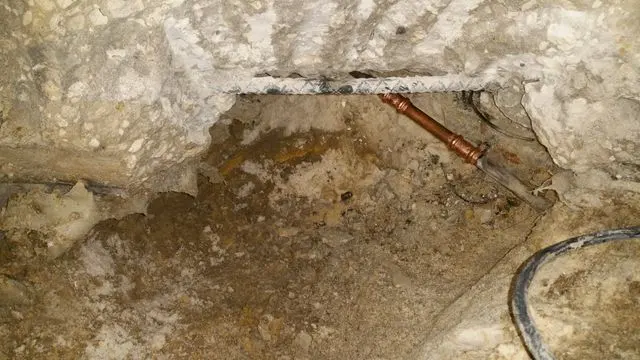 Slab Leak Water DamageLeaks under concrete floors repaired by a plumber, then floors and walls dried.View the service
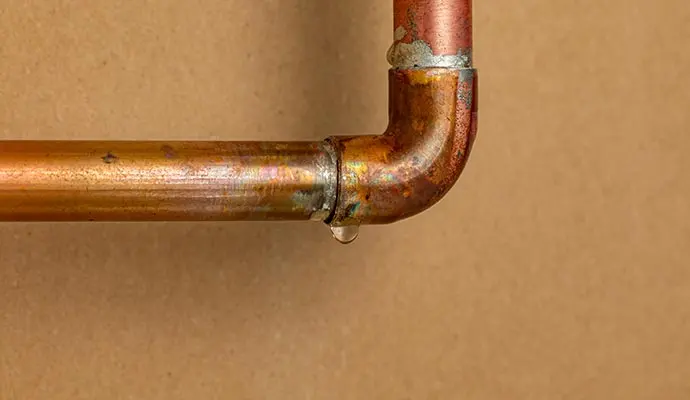 Burst Pipe Water DamagePipe and fitting failures behind walls, cavities opened and dried on readings.View the service
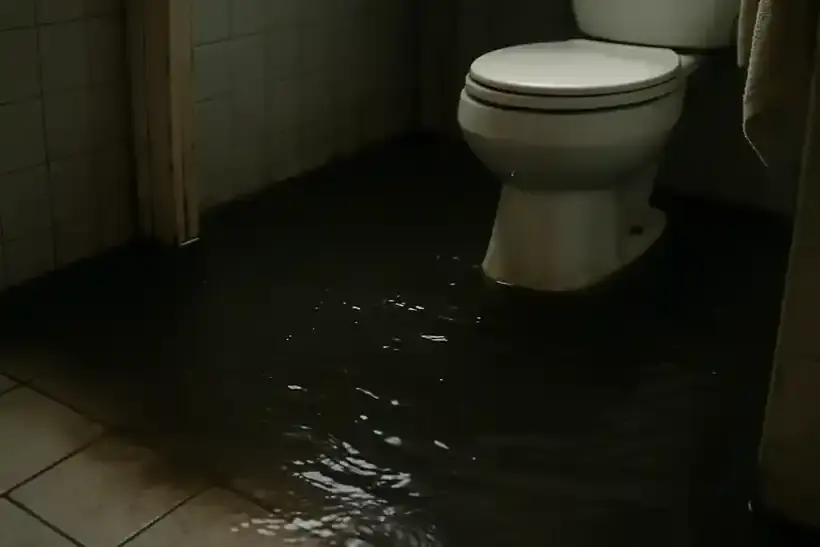 Sewage Backup CleanupDrain backups treated as Category 3, with porous materials bagged and removed.View the service
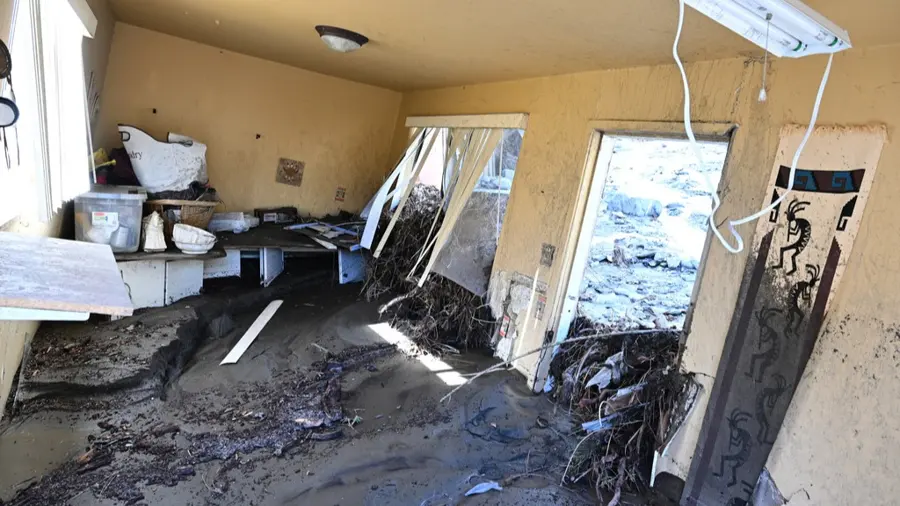 Storm Runoff and Flood CleanupCanyon storm runoff and mud shoveled out, cleaned, treated and dried.View the service
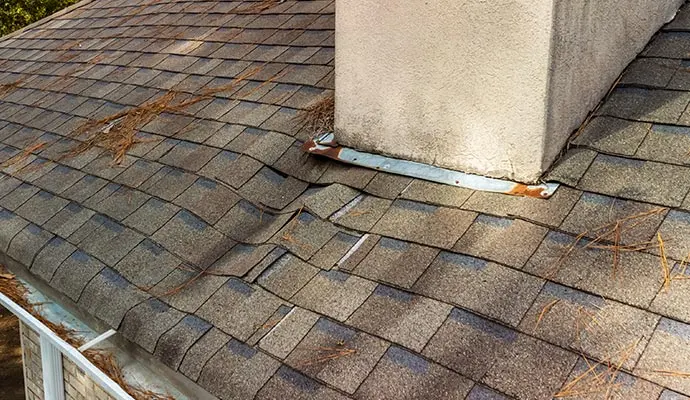 Roof Leak Water DamageWinter storm water through the roof, attic insulation pulled and bays dried.View the service
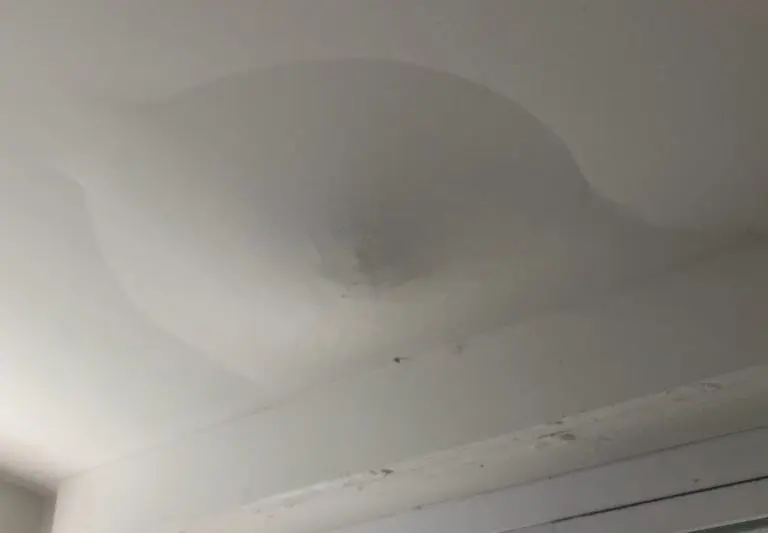 Ceiling Leak Water DamageWater from a unit or bathroom above, ceilings drained and joists dried.View the service
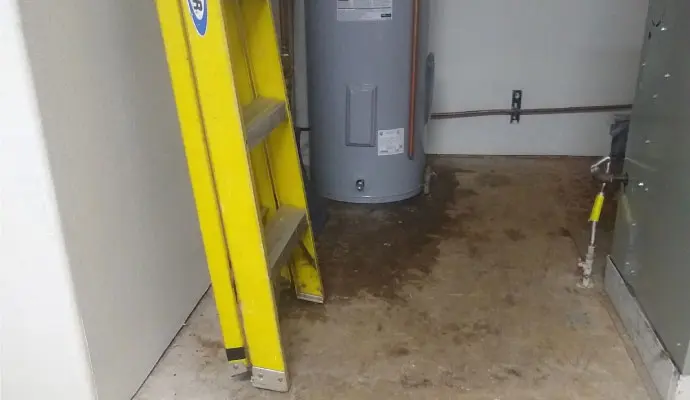 Water Heater Leak CleanupTank and fitting failures in garages and closets, floors and wall bottoms dried.View the service
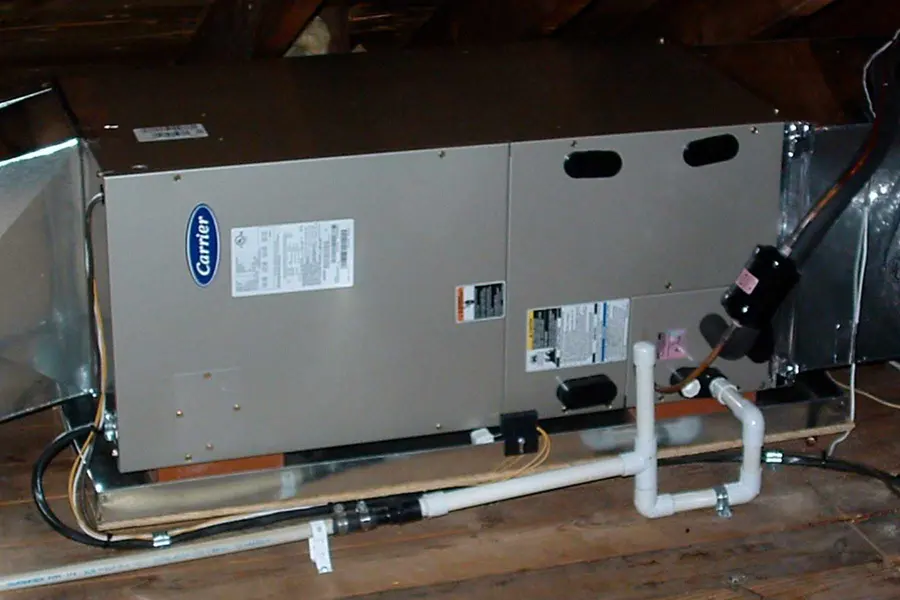 AC Condensate Leak Water DamageAir handler pans that overflow into ceilings and closets in hot weather.View the service
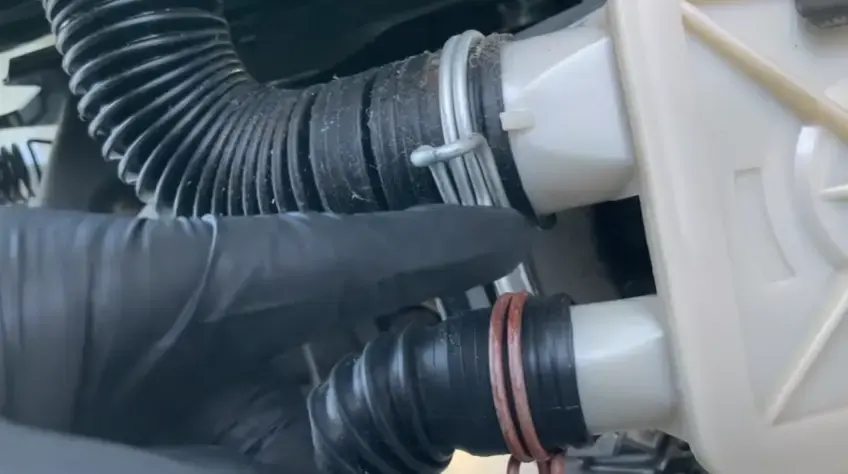 Appliance Leak Water DamageWasher, dishwasher and fridge line leaks that reach cabinets or the unit next door.View the service
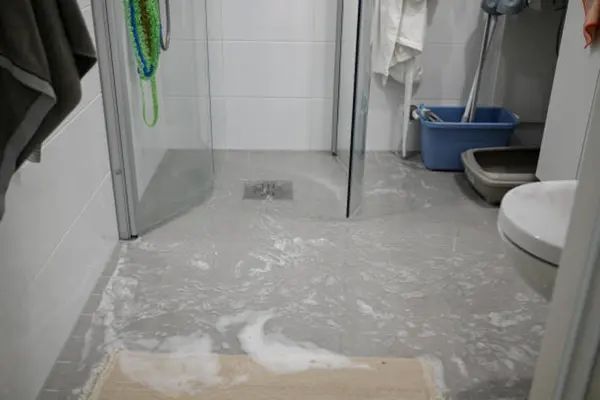 Toilet Overflow CleanupOverflows sorted as clean, gray or black water before anything is kept.View the service
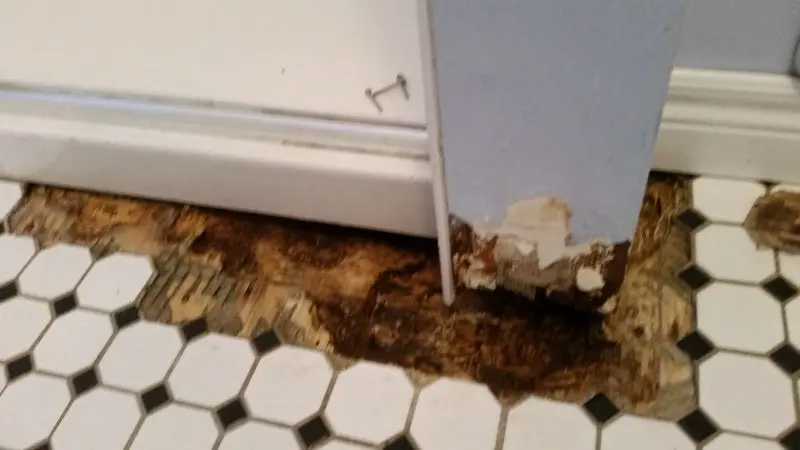 Shower and Tub Leak Water DamageShower pan and tub drain leaks dried out of the subfloor and the framing.View the service
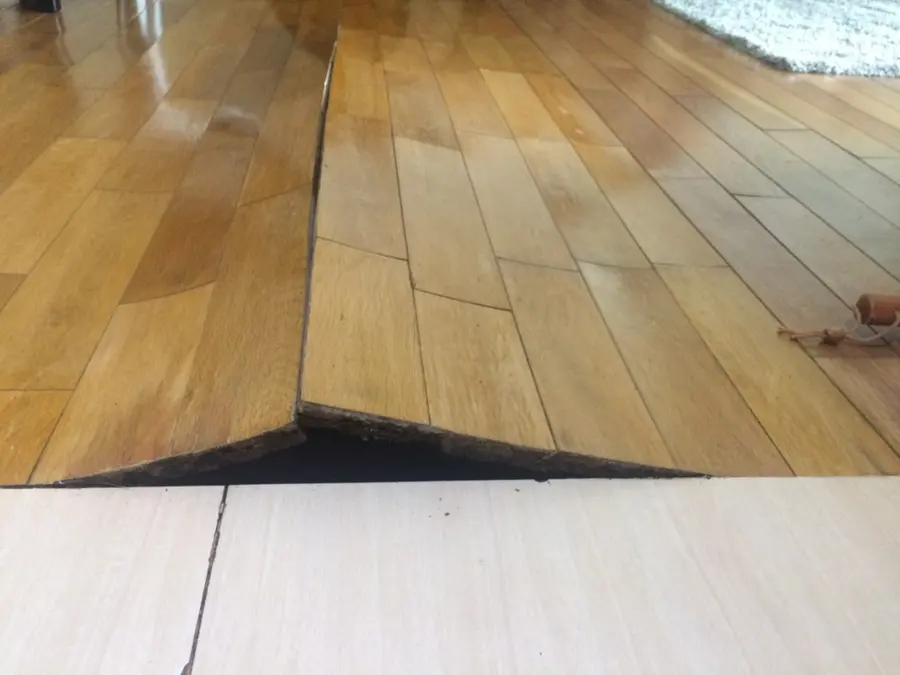 Hardwood Floor Water DamageWood floors dried under panels and checked against unaffected boards.View the service
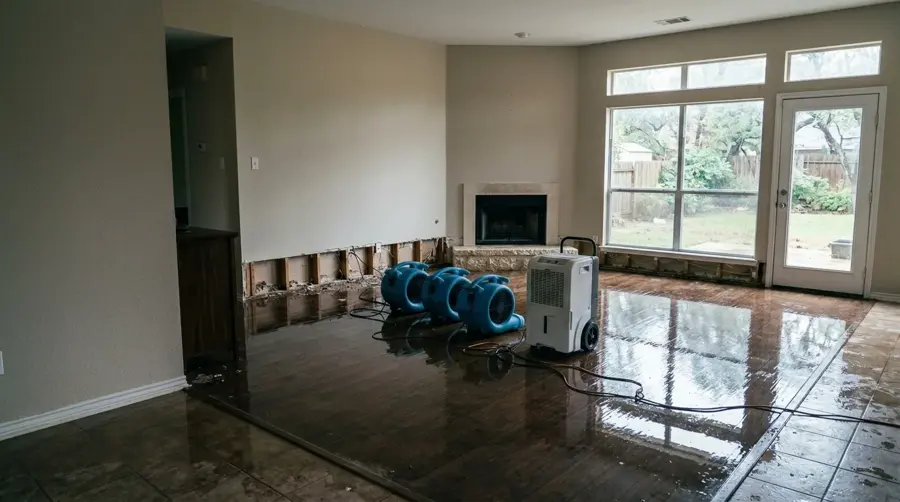 Structural Drying and DehumidificationFraming, concrete and plaster dried room by room until the meters agree.View the service
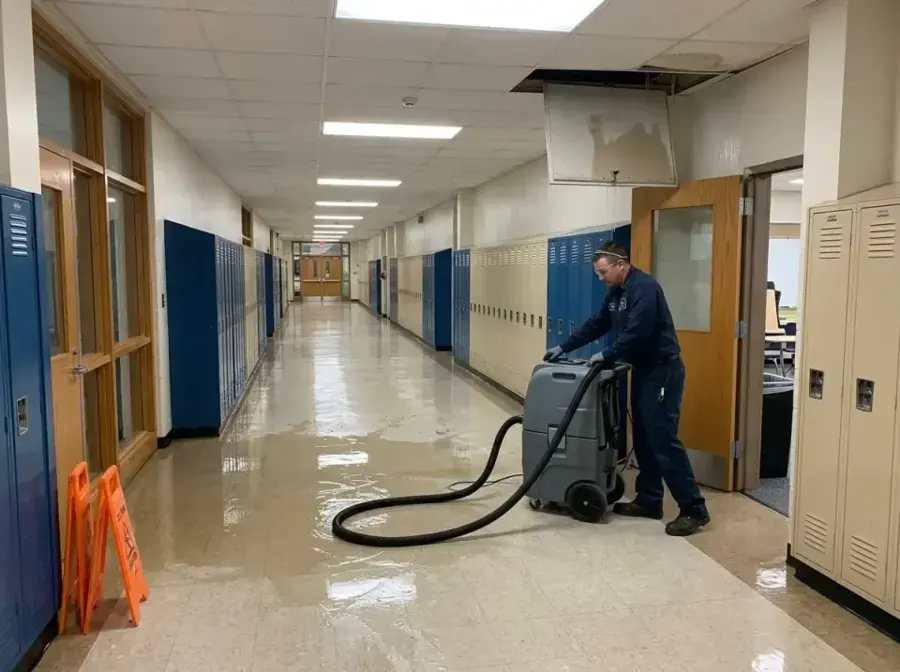 Commercial Water DamageCampuses, stores and offices dried in zones so the rest keeps running.View the service
First-hour steps for an Azusa water leak
Water keeps soaking into pad, drywall and cabinets while it waits, so these six steps matter more than anything else in that first hour.
Find the valve by the meter
Azusa Light & Water Rule 14 has every owner keep a working shut-off valve inside the property line, close to the water meter. Close it.
Cut power to the wet rooms
Flip off the breakers for wet rooms only when the panel sits dry and you are on dry ground.
Stay out from under sagging drywall
A ceiling that bulges is holding water, and cords lying in water can carry current.
Photograph the water first
Shoot the wet floors, the water marks on walls and the source before anything gets moved.
Lift what can be saved
Pick up rugs, papers, photos and electronics, and set furniture legs on foil or blocks.
Then make the call
Starting extraction within the 24 to 48 hour window keeps more of the flooring and drywall.
If mud or storm water is coming in
- Leave when officials order an evacuation, as Azusa did for Ridge View Drive in February 2014.
- Keep away from moving mud and water, and keep children and pets out of it.
- Wear boots and gloves around runoff, because anything it touched counts as contaminated.
- Set sandbags at door thresholds early, while the storm is still building.
Pad, drywall and framing that stay wet past 24 to 48 hours can start growing mold and usually have to be cut out.
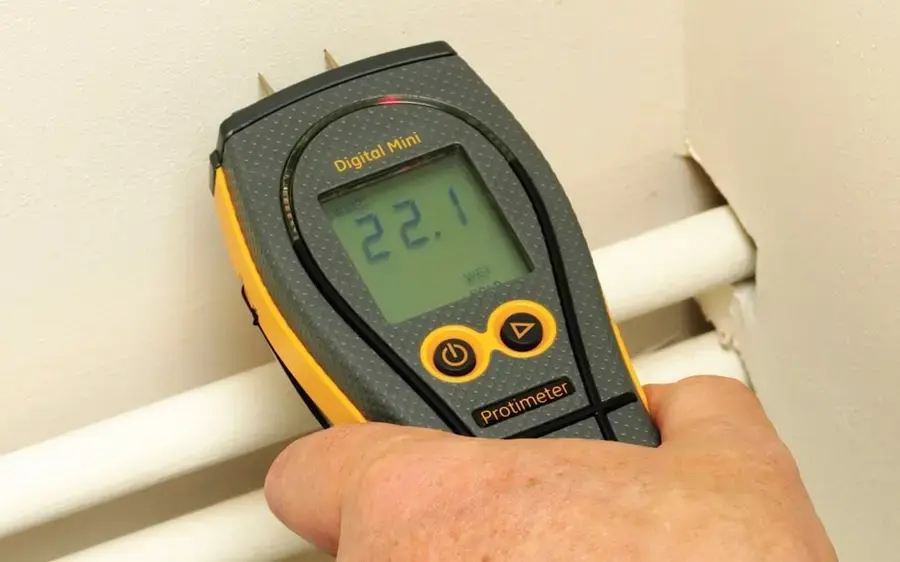
Water damage dried to the IICRC S500 standard in Azusa
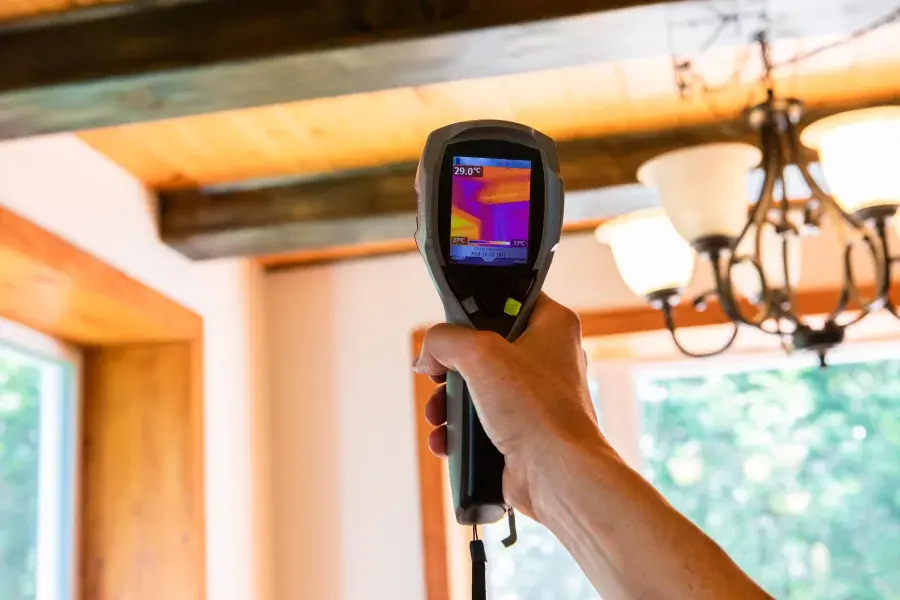
A dry-out in Azusa follows the same order every time. The tech who does the walkthrough reads the walls, floors and ceilings with thermal imaging and pinless meters first, so the equipment goes where the water actually went, not just where it shows.
- The building gets dried, not only its surfaces
- Clean, gray and black water handled apart
- The loss class sets each room's equipment
- Equipment stays until the readings say dry
Read the building
The walkthrough tech traces the source and marks every wet wall, floor and ceiling before setup.
Pull the water out
The extraction crew removes standing water and silt with truck-mounted or portable units.
Remove what holds water
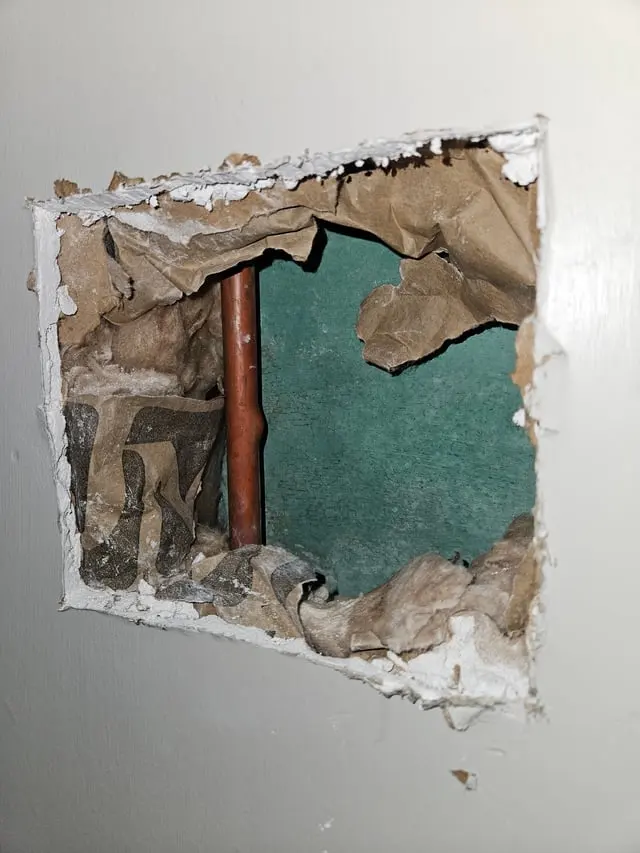
Soaked pad, baseboards and lower drywall come out where the readings stay high.
Match equipment to the rooms
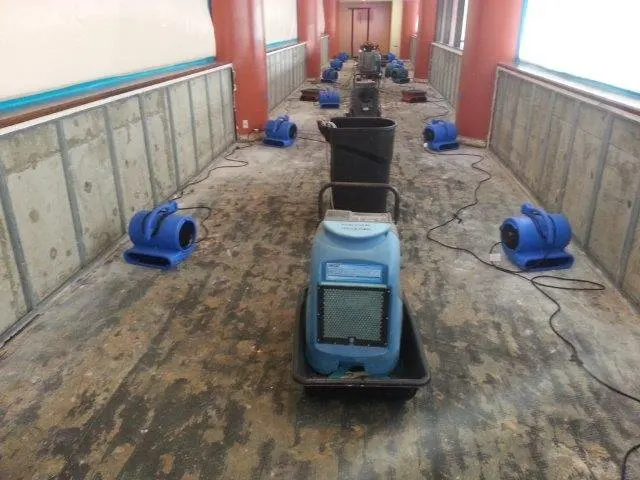
Air movers and LGR dehumidifiers get sized to each room, with desiccants for dense spots.
Confirm it is dry
Readings go into the log daily until wet material is within 2 to 4 points of a dry reference.
Rapid local response
Azusa water damage experts take emergency calls 24/7, because water keeps spreading through floors and shared walls overnight.
IICRC S500 drying standard
Every Azusa job is planned and measured against IICRC S500, the industry drying standard for water damage.
Claim-ready documentation
Moisture maps, daily readings and timestamped photos go into one file for the owner, the landlord and the insurer.
Local water know-how
Canyon storms, homes from the 1950s through the 1970s and a large stock of apartments and condos shape Azusa water calls.
All water damage categories covered in Azusa, CA
Clean water
A broken supply pipe, a failed water heater or a leaking fridge line. Caught early, most of it can be dried where it is.
Burst pipe water damageGray water
Water from a washer drain, a dishwasher or a toilet bowl without waste. It can carry soaps and bacteria.
Toilet overflow cleanupBlack water
Sewage, main drain backups and storm runoff or mud from outside. Carpet, pad and drywall it touched come out.
Sewage backup cleanupHow many days an Azusa dry-out takes, and what decides it
Water and silt removal, moisture mapping, tear-out of soaked material and the full equipment setup.
The usual span for a contained Class 1 or 2 loss in carpet and drywall, with daily readings.
Wood floors, concrete, plaster and ceilings with soaked insulation release water slowly.
The equipment leaves when the readings match a dry reference within 2 to 4 points, never on a fixed date.
What does water damage restoration cost in Azusa, CA?
Water damage restoration in Azusa, CA usually runs $1,200 to $15,000 or more. A single room of clean water found early lands near the bottom, while sewage, canyon storm mud or a leak across several rooms or units lands near the top.
One or two rooms
$1,200 to $3,500- Clean water found early
- Extraction and drying in place
- Readings logged daily
A larger area
$3,500 to $8,000- Pad and lower drywall cut out
- Walls and floors dried
- Moisture map for the claim file
Black water or mud
$8,000 to $15,000+- Sewage, runoff or silt inside
- Soaked materials removed
- Antimicrobial, then full drying
Four things move the number: the water category, the wet square footage, what the floors and walls are made of and how soon drying began. The water damage cost calculator gives a quick planning range.
Documentation for your insurance claim
An Azusa water claim moves on paperwork that starts on the first day of the job. The finished file holds:
- A moisture map drawn at the first visit
- Psychrometric and moisture readings logged every day
- Time-stamped photos taken before any tear-out
- The water category and the class of the loss
- An itemized scope of everything removed and dried
A sudden pipe or water heater failure is usually treated differently from a slow leak, a sewer backup or outside water. A county plan listed 8 flood insurance policies in Azusa as of July 31, 2019.
Coverage depends on your policy, so it is worth checking with your own insurer before tear-out starts.
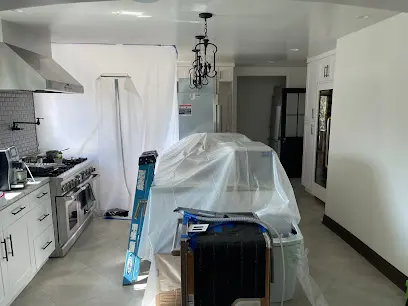
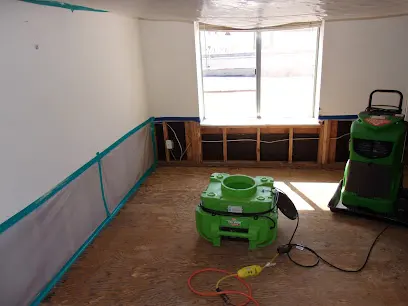
What a water damage dry-out looks like in Azusa
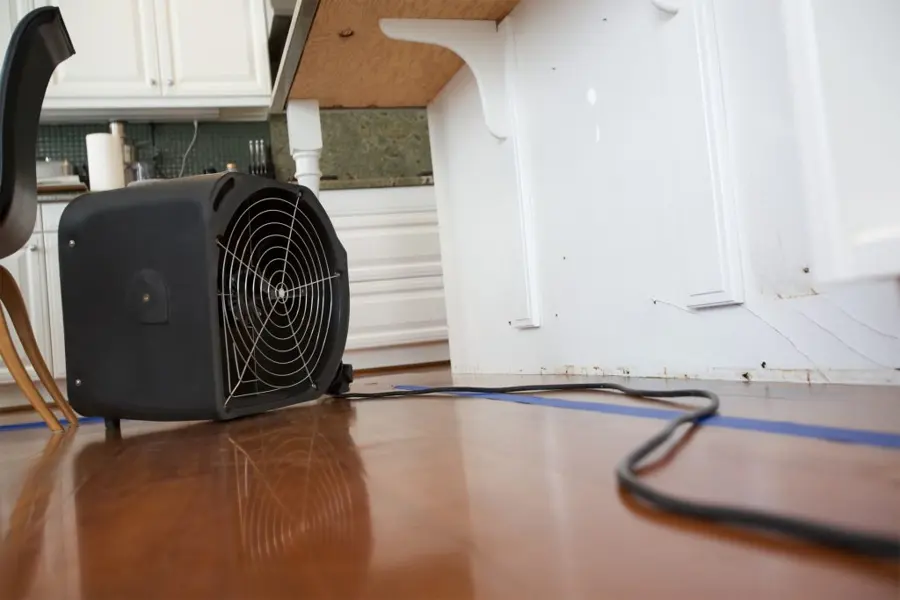
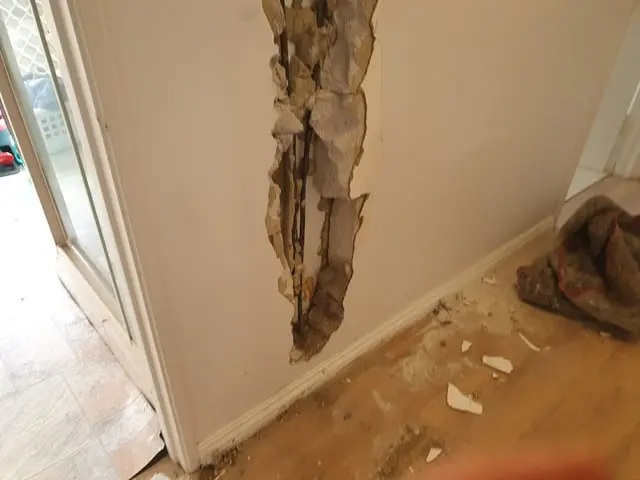
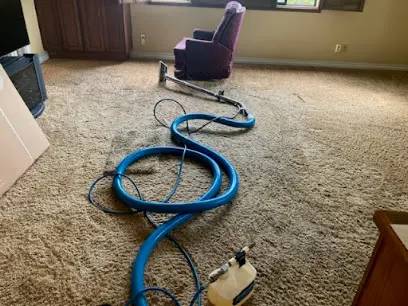
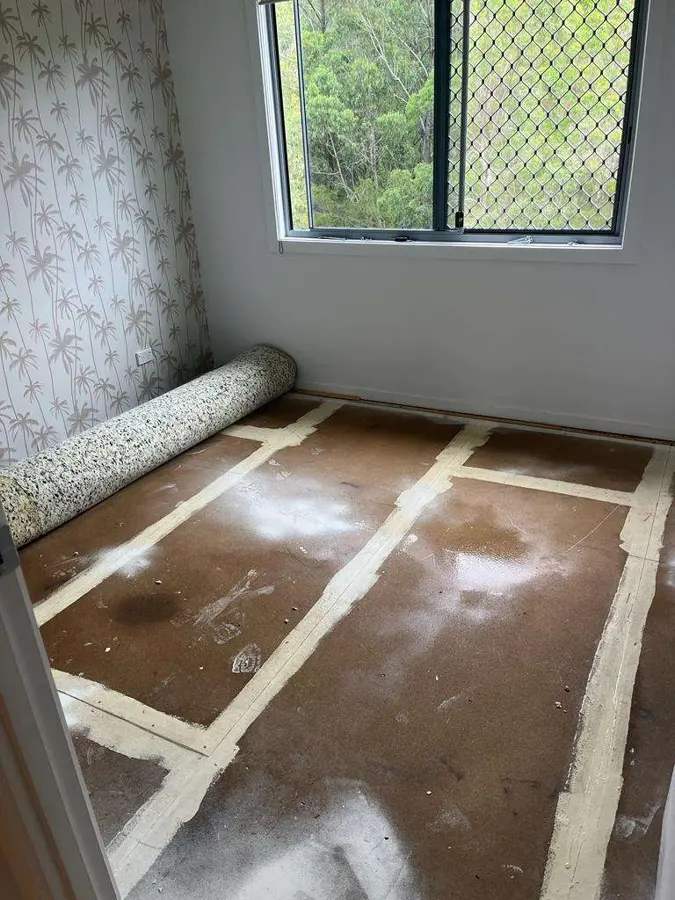
Representative photos of tear-out, water removal and drying gear on the job.
Water damage in Azusa, CA: the local risk profile
Azusa calls itself The Canyon City: it sits at the entrance to San Gabriel Canyon on the east side of the San Gabriel River, with foothill homes right below the San Gabriel Mountains.
- An older housing stock. The median Azusa home was built in 1970, and about 10,395 of the city's 15,580 homes went up before 1980.
- Shared buildings. About 5,160 Azusa homes are in buildings with two or more units, so one leak can reach the unit below or next door.
- Canyon storms. In the winter 1969 storms, debris overtopped some debris basins above Azusa and damaged homes and part of the Azusa Pacific University campus.
- Burn-scar mud. On February 27, 2014, Azusa ordered residents on Ridge View Drive to evacuate over possible mudslides, and photos from that day show mud flowing down the street.
- A valve by every meter. Azusa Light & Water Rule 14 requires an owner-kept shut-off valve near the meter, the quickest way to stop a supply leak.
Areas served
The restoration team covers ZIP 91702 and every Azusa neighborhood listed here, plus the unincorporated communities along its edges.
Central Azusa
- Downtown Azusa
- Foothill Boulevard
- Alosta Avenue
- Azusa Avenue
North and the foothills
- Ridge View Drive area
- Azusa foothills
- Rosedale
- San Gabriel Canyon Road
East and south edges
- Gladstone
- Citrus
- Vincent
- Azusa Pacific University
Nearby cities
- 91702All of Azusa, from downtown to the foothills
Azusa water damage questions, answered
How quickly can a restoration crew start in Azusa?
Crews take emergency water calls in Azusa at any hour, including weekends and holidays. Active water counts as urgent, since it keeps moving into floors, cabinets and the unit below until it is pulled out.
What causes most water damage in Azusa homes?
Aging plumbing in homes built from the 1950s through the 1970s, leaks that spread between units in apartments and condos, water heater and appliance failures and, in heavy canyon storms, runoff and mud from the foothills.
Where is the water shut-off in an Azusa home?
Azusa Light & Water Rule 14 has each owner keep a working shut-off valve inside the property line, as close as possible to the meter. Closing it stops a supply leak fast.
Does homeowners insurance cover water damage in Azusa?
Sudden water, such as a burst pipe or a failed water heater, is often covered after the deductible. Slow leaks are often excluded, sewer backup usually needs an endorsement, and rising water or mud needs a flood policy. Coverage depends on your policy, so check with your own insurer.
How long does a dry-out take?
A contained Class 1 or 2 loss usually dries in three to five days. Concrete, plaster, wood floors and ceilings with wet insulation take longer, and the equipment stays until the readings meet the goal.
What does IICRC S500 mean?
It is the industry standard for water damage restoration. It covers how a loss is classified, how drying gets planned and tracked and how dry is confirmed against a dry reference material.
Why does drywall get cut out?
When the readings show it cannot dry where it is, when it has swollen or crumbled, or when sewage or storm runoff touched it. Cutting the lower part lets the wall cavity dry.
Why is sewage cleanup different?
Sewage is Category 3 from the first minute. Porous materials it touched come out, and hard surfaces get an EPA-registered antimicrobial before drying starts. The City of Azusa owns and maintains the local sewer lines.
How is a slab leak found and dried?
A plumber locates and repairs the leak, then the restoration team lifts wet flooring and dries the concrete and the walls. The Azusa slab leak page explains the drying side.
What should happen if storm mud gets inside?
Follow any evacuation order first. Once it is safe, the crew shovels out the mud, extracts the water, removes soaked materials and dries the structure, treating everything as Category 3 water.
How is the cost worked out?
From the water category, the area that got wet, the materials involved and how soon drying began. Each item lands in the itemized scope that goes to the insurer.
Water spreading inside an Azusa home? Call now.
Extraction, mud removal, structural drying and claim records from downtown Azusa to the foothill streets.