Water Damage Restoration in Duarte, CA
Burst pipes, sewage backups, foothill storm mud and slow leaks all get the same careful process in Duarte: water out first, then moisture mapping, drying equipment and daily readings until the structure tests dry.
(888) 578-6508Reach a Duarte drying crew now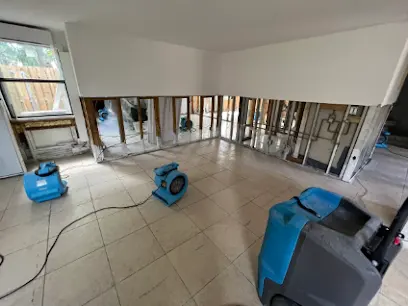
Fifteen water services for Duarte homes and buildings
From a split supply pipe to storm mud in a hallway, each service below has its own page with price ranges, the drying process and common owner questions.
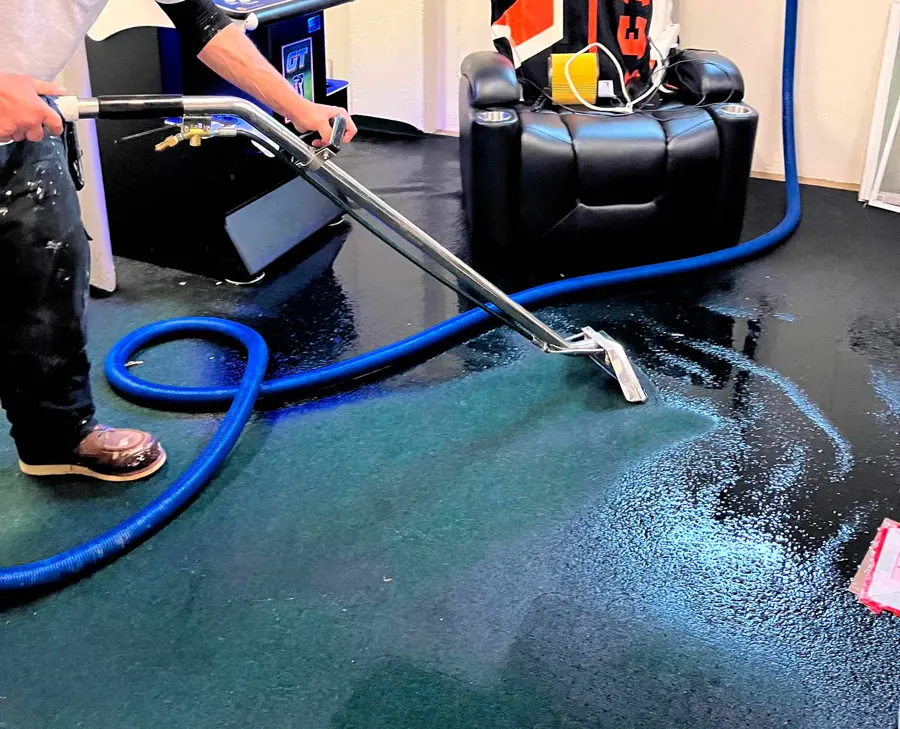 Water Extraction and RemovalPumps and wands pull standing water and mud from the floor first.View the service
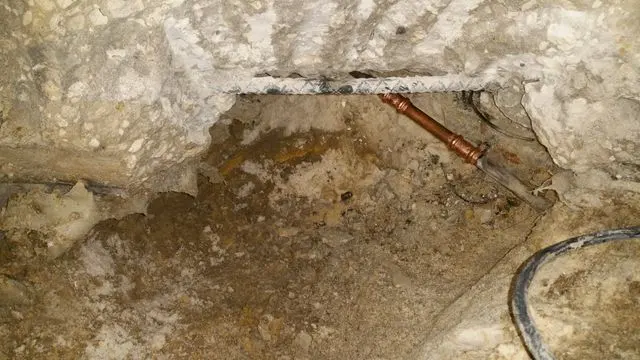 Slab Leak Water DamageLeaks beneath a concrete floor get located, then the wet flooring and slab are dried.View the service
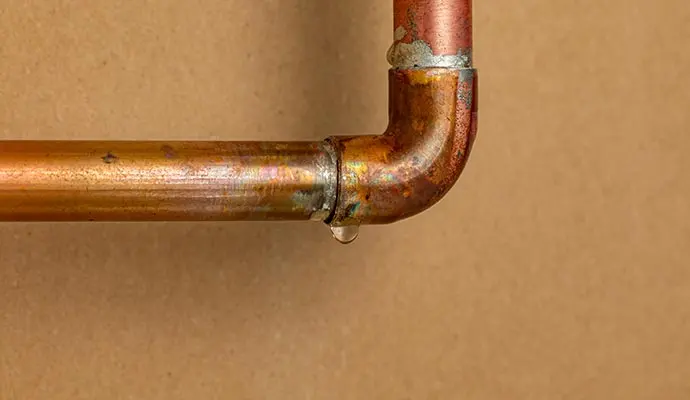 Burst Pipe Water DamageA split pipe or failed joint means fast extraction and opened wall cavities.View the service
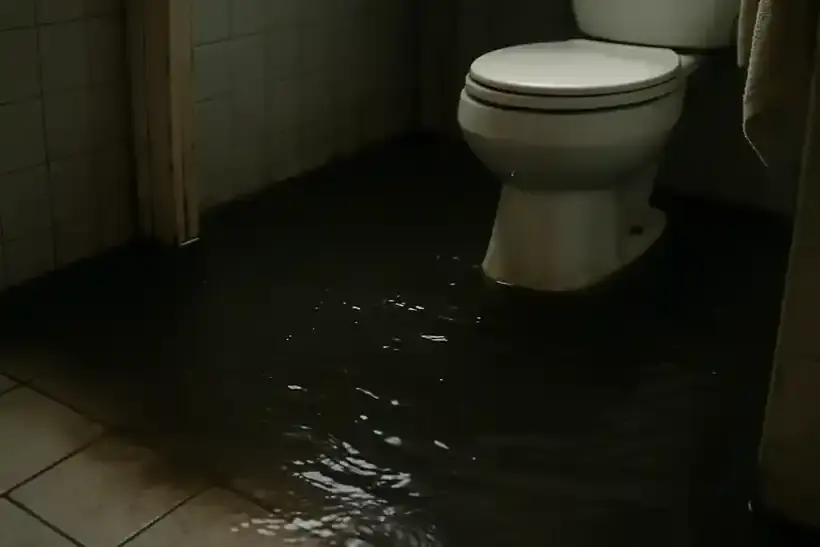 Sewage Backup CleanupContaminated water gets contained, removed and disinfected with protective gear on.View the service
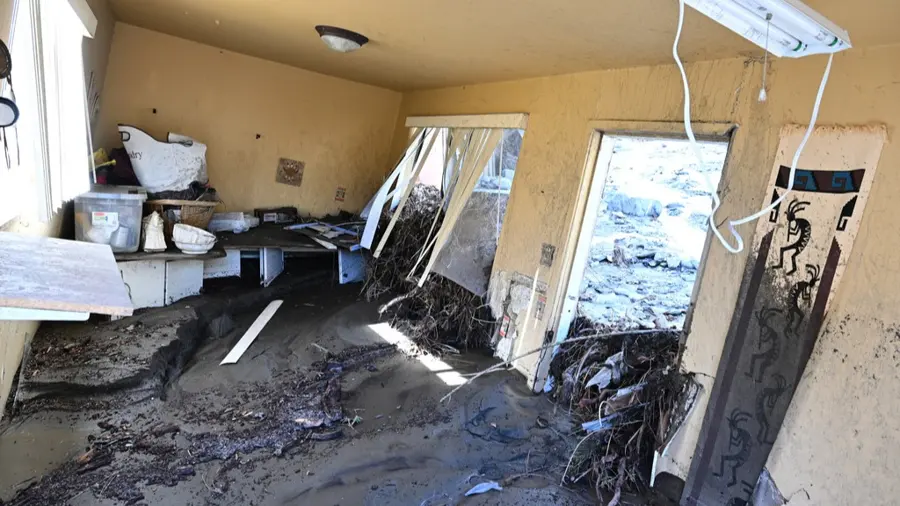 Storm Runoff and Flood CleanupStorm runoff and foothill mud are shoveled out, extracted and dried.View the service
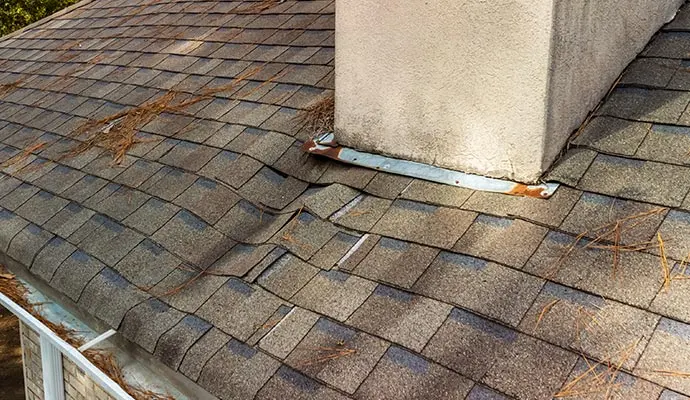 Roof Leak Water DamageRain that gets past the roof soaks insulation and ceilings below it.View the service
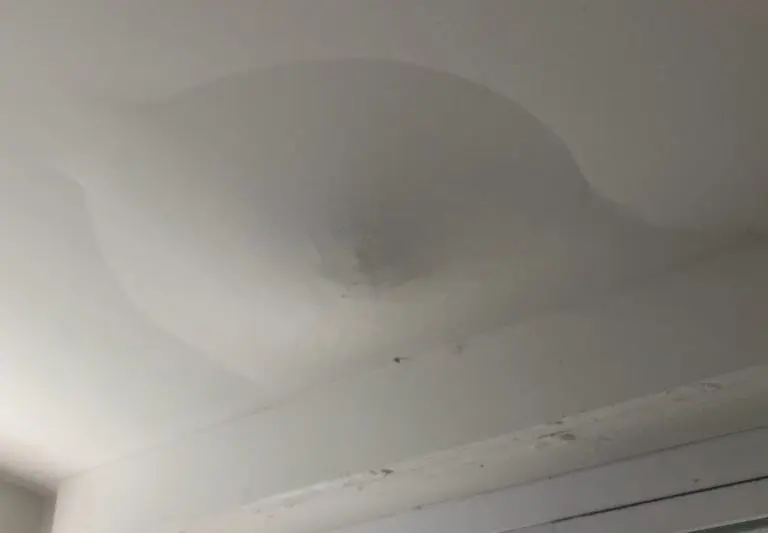 Ceiling Leak Water DamageStained or sagging ceiling drywall is drained, opened and dried above and below.View the service
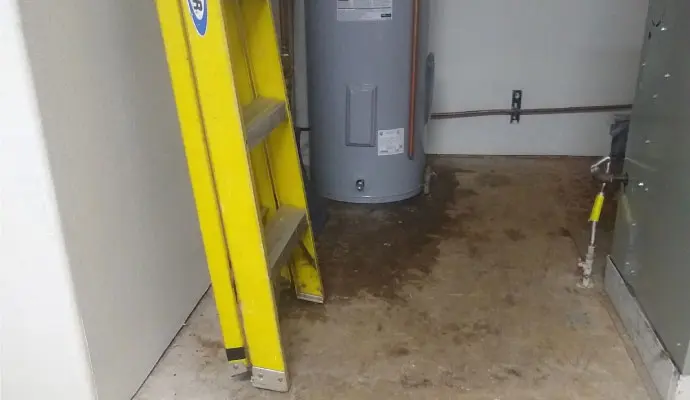 Water Heater Leak CleanupA leaking tank floods the closet or garage floor, then creeps into nearby rooms.View the service
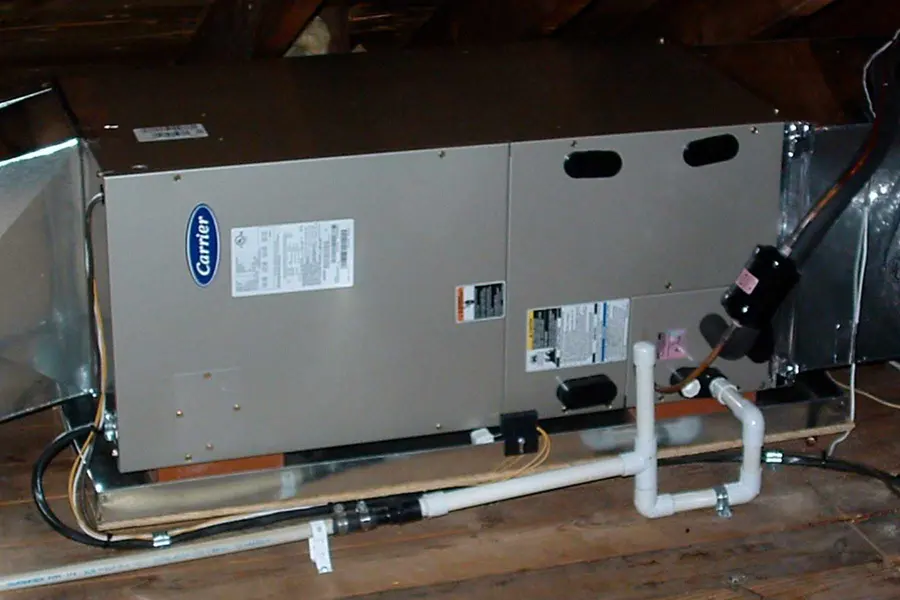 AC Condensate Leak Water DamageA clogged condensate drain lets overflow soak the ceiling and insulation below.View the service
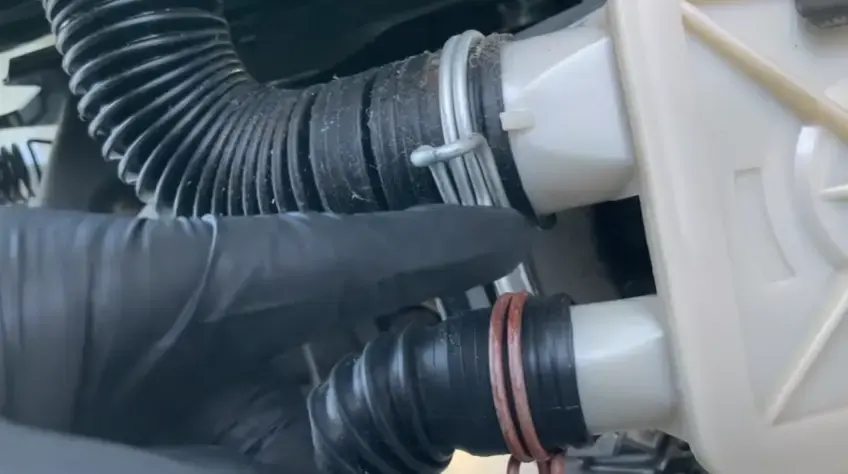 Appliance Leak Water DamageWasher, dishwasher and refrigerator leaks are traced, extracted and dried under cabinets.View the service
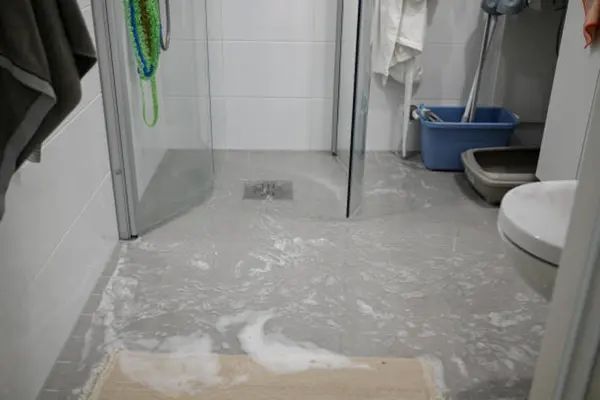 Toilet Overflow CleanupOverflow water is removed from bathroom floors, with sanitizing when it was contaminated.View the service
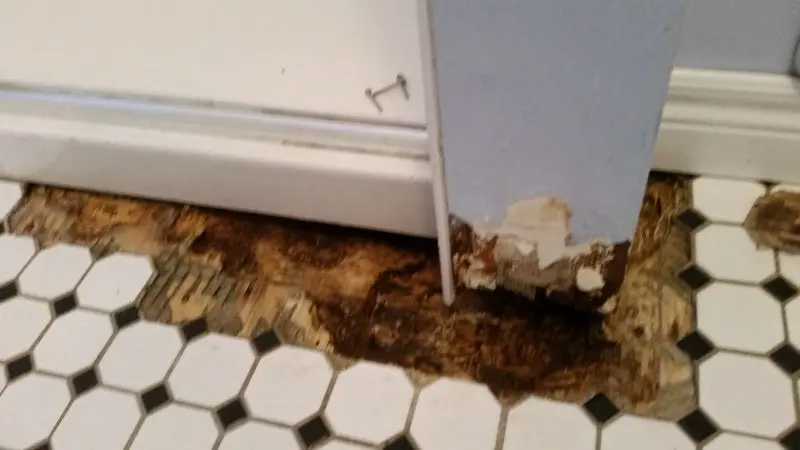 Shower and Tub Leak Water DamageLeaks behind a shower or tub are found, opened and dried before rot starts.View the service
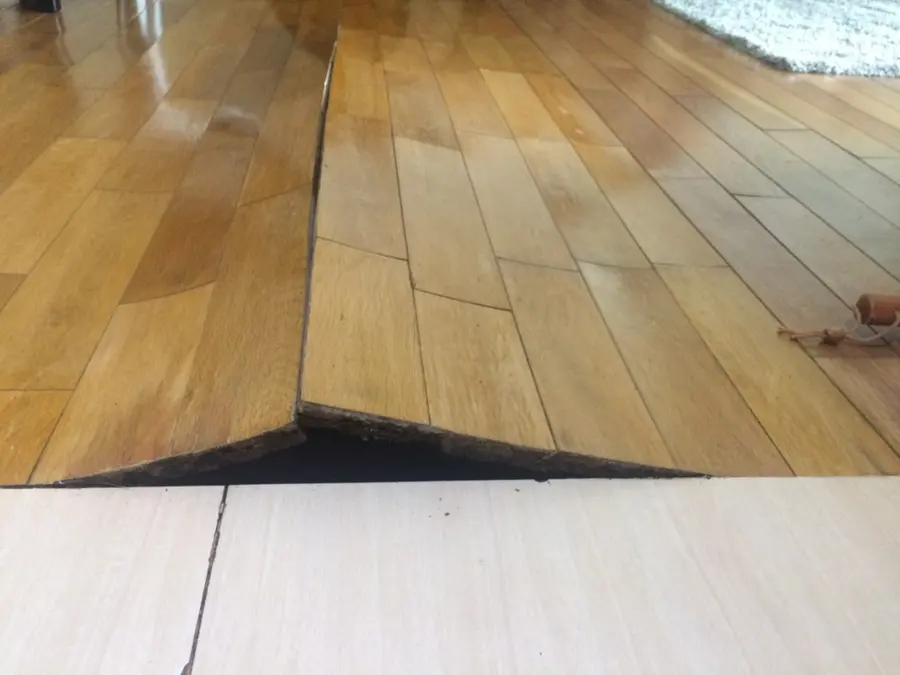 Hardwood Floor Water DamageWet wood floors are dried in place when possible and lifted when not.View the service
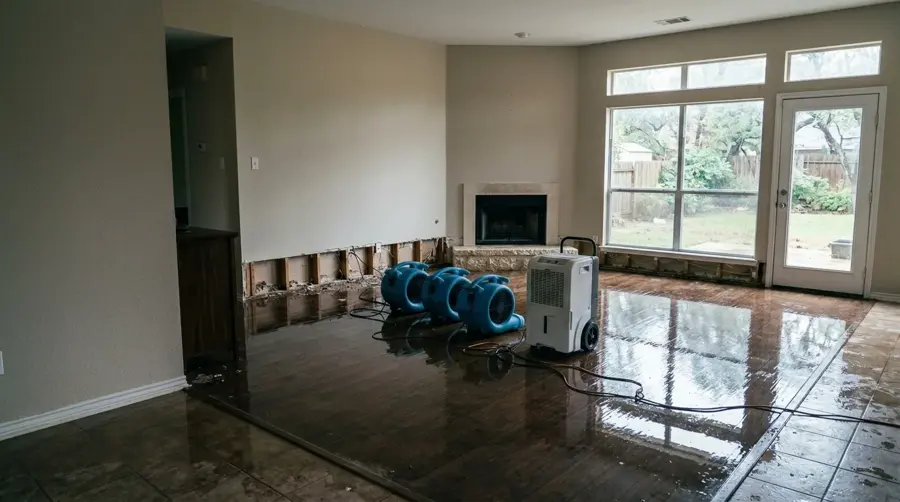 Structural Drying and DehumidificationAir movers and dehumidifiers pull moisture from framing, subfloors and plaster.View the service
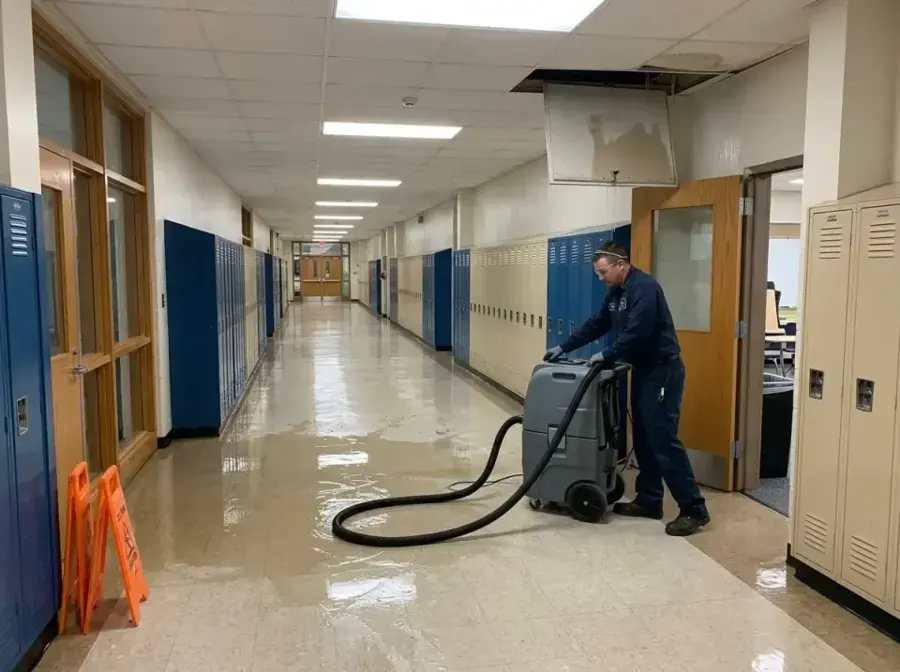 Commercial Water DamageOffices, clinics, classrooms and apartment buildings get phased drying plans that limit downtime.View the service
Your first steps while the water is still moving
Safety comes first, then a few small moves that keep wet materials from soaking up more water before drying begins.
Stop the source
Shut the main valve or the fixture valve, then switch off power to any wet area before stepping into standing water.
Protect people and pets
Keep family members and pets out of any room with sewage or dark water.
Photograph everything
Take wide and close photos of the damage, the source and damaged belongings before anything is moved or thrown away.
Lift what you can
Move small furniture, rugs and electronics onto dry, raised surfaces, and pull wet cushions off the floor.
Open the air
Run fans and open windows only when the water is clean, and leave heavy cleanup to the drying crew.
Call before you tear out
Hold off pulling carpet or drywall until a technician has taken readings, so the claim shows what was wet.
If the water came from outside
- Stay out of moving water and mud, and heed county alerts for the Fish Fire burn area.
- Treat any floodwater that touched soil, drains or debris as contaminated until proven otherwise.
- Keep wet boots and clothes outside so mud stays off dry floors.
- Photograph how high the mud and water reached before anyone shovels.
The first 24 to 48 hours matter most, because wet drywall, pad and framing begin to grow mold and warp after that.
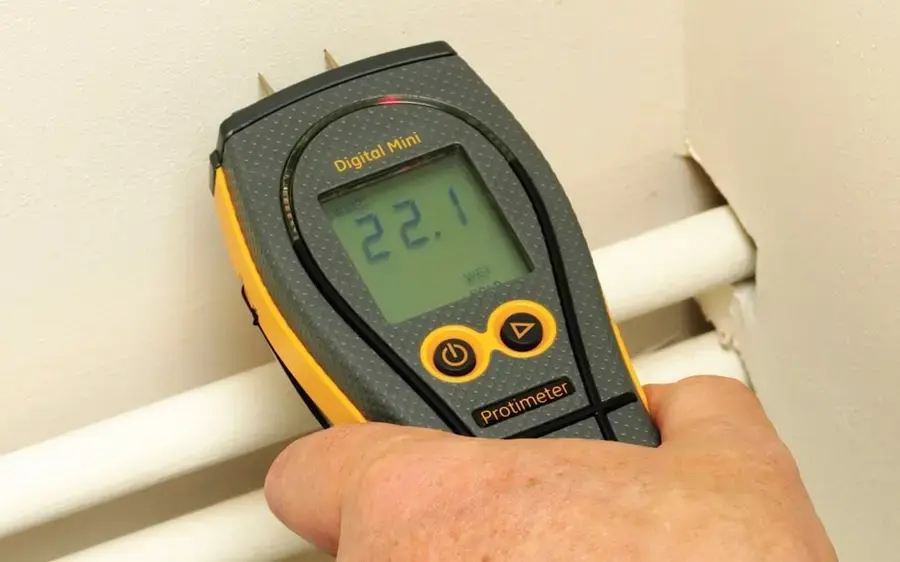
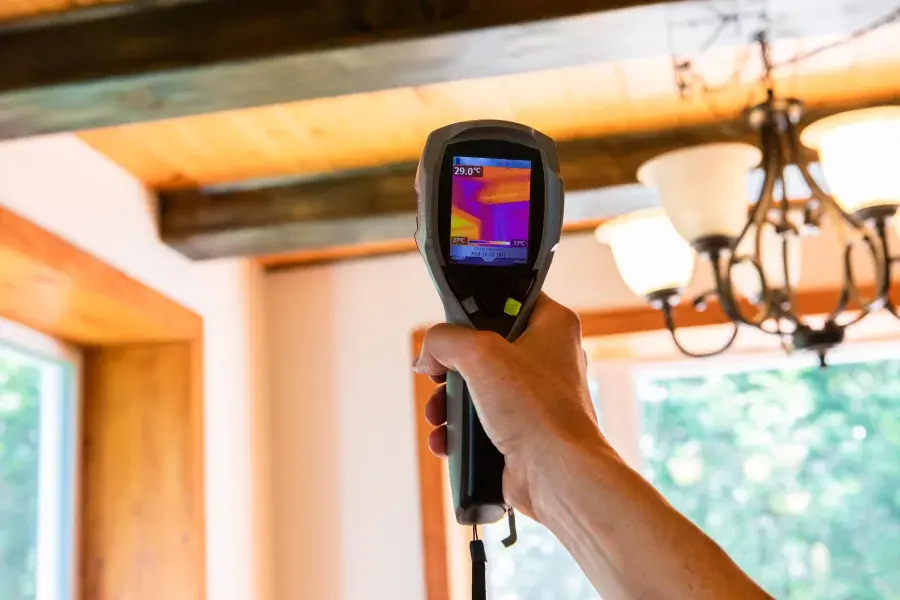
A drying plan built around your Duarte building
Drying is measured, not guessed. Technicians map moisture in walls, floors and ceilings, set air movers and dehumidifiers to match what the readings show, and recheck the same spots every day until they match dry reference points taken from unaffected parts of the building.
- Moisture meter readings in every wet room
- Thermal camera scan of ceilings and walls
- Air movers placed where readings call for them
- Dehumidifier output checked and logged each visit
Read the building
Technicians note the home's age, layout and materials, then trace where water traveled from the source.
Remove the water
Pumps, wands and truck-mounted units pull standing water and mud before any drying equipment goes in.
Open what is wet
Baseboards come off, and drywall is cut where readings show water trapped in the cavity.
Set the equipment
Air movers and dehumidifiers are placed from the moisture map, with desiccant units added for stubborn materials.
Confirm it is dry
Daily logs track every reading, and the equipment comes out only when wet materials match the dry standard.
Rapid local response
Duarte calls reach a crew around the clock, and the first visit goes to finding the source and limiting damage.
IICRC S500 drying standard
Drying follows the IICRC S500 standard, with target moisture levels set before any equipment is removed.
Claim-ready documentation
Photos, moisture maps and daily readings are kept together in one file, ready to hand to your adjuster.
Local water know-how
Duarte jobs bring foothill storm mud, older housing and buildings with shared walls, and the crew plans drying around each one.
Clean, gray and black water need different handling
Clean water
A supply pipe, tank or hose that fails sends sanitary water into the home, and drying should start before it turns gray.
Burst pipe water damageGray water
Overflow from a toilet bowl, washer or dishwasher carries soap or light contamination, so soaked porous materials usually come out.
Toilet overflow cleanupBlack water
Sewage, rising storm runoff and anything that touched soil are treated as grossly contaminated, and porous materials are removed.
Sewage backup cleanupWhat the first days of drying look like in a Duarte home
Water is extracted, wet materials are opened and drying equipment goes in with a written moisture map.
Readings are logged each visit, equipment is moved as pockets dry, and stubborn spots get extra attention.
Hardwood, plaster and soaked subfloors take more days, and mud or sewage jobs add cleaning before drying.
Equipment leaves only when the last round of readings matches the dry standard, and that final log goes into the claim file.
How much does water damage restoration cost in Duarte?
Most Duarte jobs start around $1,200 and can pass $15,000, depending on how many rooms are wet, how long the water sat and whether it was clean, gray or black water. Sewage and storm mud push a job toward the top of that range.
One or two rooms
$1,200 to $3,500- Extraction and air movers
- LGR dehumidifier running
- Daily readings in a log
Several rooms
$3,500 to $8,000- Multiple drying zones
- Wet cavities opened and dried
- Moisture map updated daily
Whole floor or heavy mud
$8,000 to $15,000+- Ruined materials hauled out
- Desiccant units added
- Extended monitoring and logs
Use the water damage cost calculator to narrow a range for your rooms, then expect the final number to follow the readings, the water category and the materials involved. Prices are estimates until a technician has measured the damage.
Documentation for your insurance claim
A clear file of photos, readings and invoices helps an adjuster see what was wet, what was removed and why.
- Dated photos of the damage and its source
- Moisture readings from every wet room and wall
- Daily drying logs with equipment counts and settings
- A list of removed materials and contents
- Invoices matched to each day of work
Standard homeowner policies often cover sudden and accidental water damage, such as a burst pipe or an appliance failure, while gradual leaks and flood from rising water are commonly excluded or need separate coverage.
Coverage differs by policy, so confirm your own terms and deductible with your insurer before work begins.
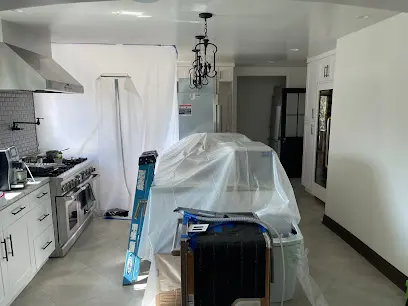
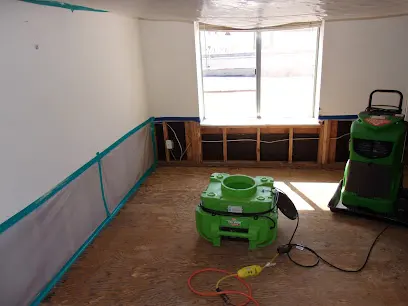
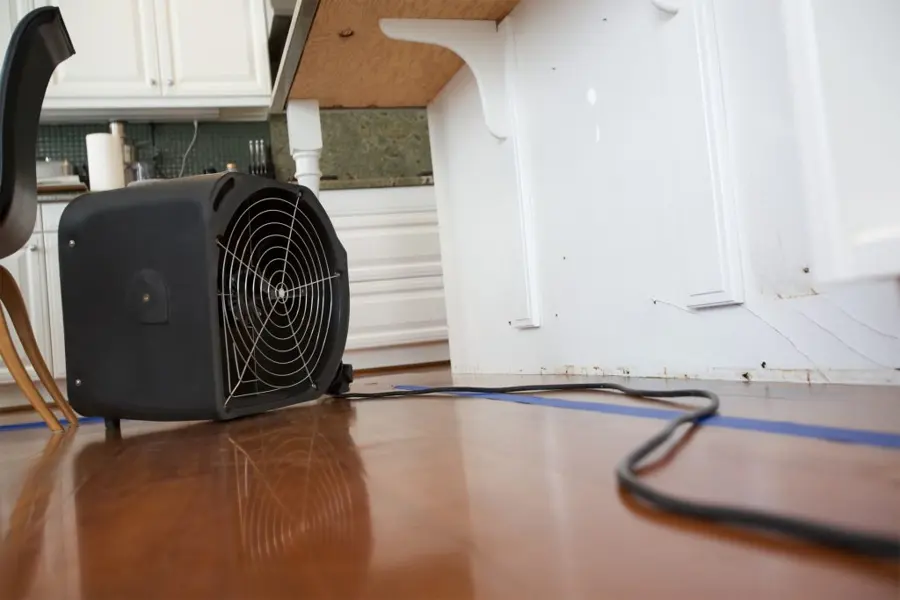
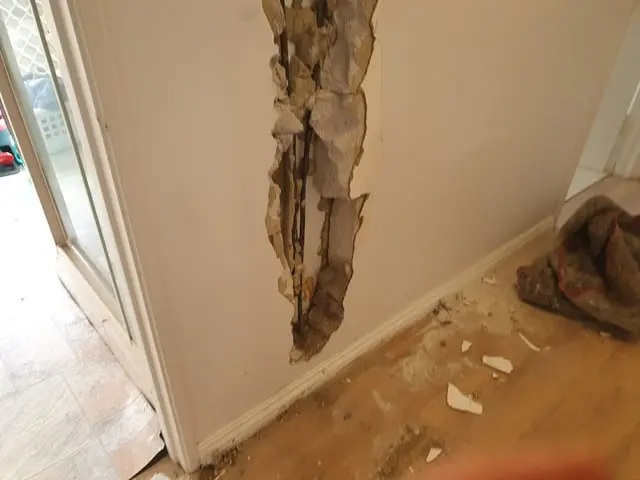
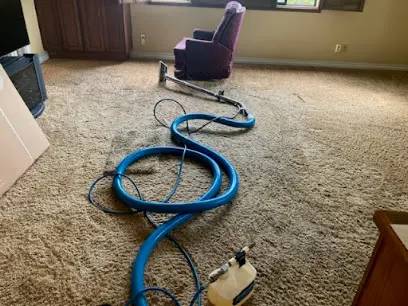
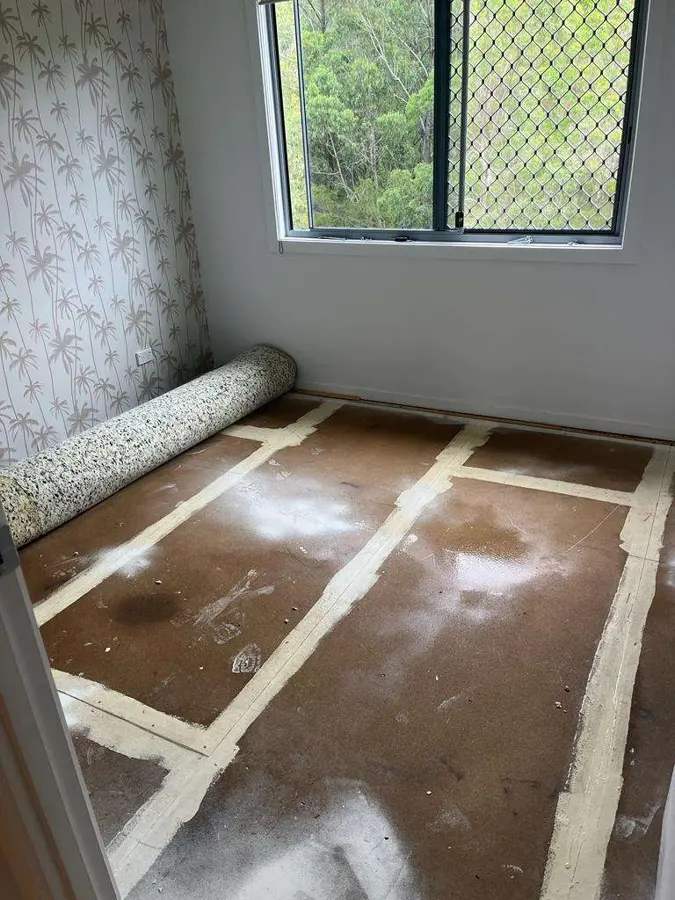
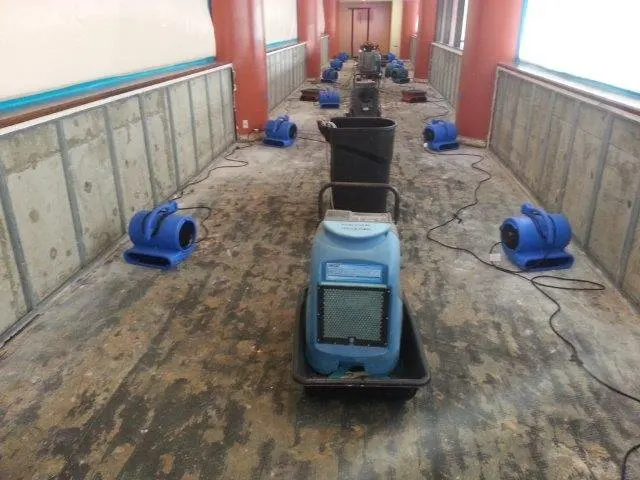
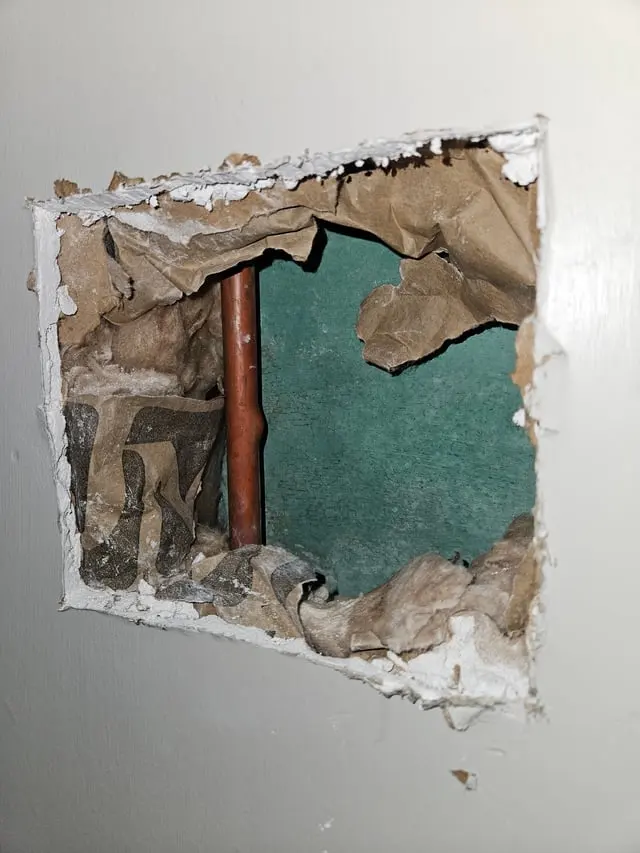
What a drying setup looks like inside a wet home
Equipment and tear-out stages seen on typical water damage jobs.
Foothill storms, older homes and shared walls in Duarte
Duarte sits at the foot of the San Gabriel Mountains, and its housing, its shared buildings and its storm history all change how a water loss is handled.
- Older housing. Median build year is 1968, and 5,638 of 7,832 homes predate 1980, so decades-old fixtures and valves are common culprits.
- Multi-unit buildings. 1,972 Duarte homes are in buildings with two or more units, so a leak in one unit often reaches a neighbor below or beside it.
- Foothill storms. Duarte backs up to the San Gabriel Mountains, so winter storms like the atmospheric river storm of February 17, 2017 can send runoff and mud toward foothill streets.
- Burn-scar mud. After the June 2016 Fish Fire, storms in 2017, 2022 and 2023 brought evacuation orders and mud alerts along Mel Canyon Road and nearby foothill streets.
- Supply water. California American Water runs the Duarte system from Main San Gabriel Basin groundwater, so a failed supply pipe starts as clean water that turns gray if left.
Areas served
Crews work across Duarte, from foothill streets near Mel Canyon Road to Huntington Drive and the City of Hope campus area.
Foothills and canyons
- Fish Canyon
- Mel Canyon
- Opal Canyon
- Brookridge
Central Duarte
- Huntington Drive corridor
- Encanto Park area
- Royal Oaks
- Santa Teresita
Station and campus
- Duarte Station Area
- City of Hope campus area
- Duarte Road
- Foothill Boulevard
Nearby cities
- 91010Duarte, California
- 91008Duarte and Bradbury share this ZIP
Duarte water damage questions answered
Does the crew serve both Duarte ZIP codes?
Yes. Duarte uses ZIP codes 91010 and 91008, and crews work in both. The city lies west of Glendora with Azusa between them, and every Duarte call gets the same drying process.
What should an owner do first after a pipe bursts?
Shut off the main water valve, switch off power to wet areas, and photograph the damage. Then call a crew so extraction and readings begin before the water spreads.
Is mud from a foothill storm treated differently?
Yes. Storm water carrying mud is treated as contaminated, so flood cleanup means crews shovel and extract it, remove soaked porous materials and apply antimicrobial before drying starts. About 1,300 cubic yards of mud was cleared from Duarte streets after the February 2017 storm.
What happens when a leak starts in a neighbor's unit?
Water often travels through ceilings, wall cavities and floor assemblies into units below or beside it. Crews check each affected unit, and building managers and insurers usually want the same photos and readings.
Who maintains Duarte's sanitary sewer system?
The City of Duarte contracts with the Los Angeles County Sewer Maintenance Division to maintain its sanitary sewer system. Cleanup inside the home follows the same steps as any sewage backup cleanup, whichever pipe the backup came from.
Does a plumbing repair need a city permit?
The City of Duarte's Community Development FAQ says a plumbing permit is required to install, alter, remove or repair plumbing, drains and water pipes. Ask the city about your specific repair before work starts.
How long does a flooded room take to dry?
Many rooms need a few days of equipment time, but hardwood, plaster and soaked subfloors take longer. Moisture readings, not the calendar, decide when the equipment leaves and the room is called dry.
Should wet carpet be saved or removed?
Clean-water carpet can sometimes be dried in place, but the pad usually comes out. Carpet touched by sewage or storm mud is discarded because it cannot be cleaned to a safe standard.
What does insurance usually ask to see?
Adjusters typically want dated photos, the source of the water, moisture readings, daily drying logs and itemized invoices. A single organized file from the crew keeps that paperwork in one place.
What changes after storms near the Fish Fire burn area?
Burn scars shed more soil in heavy rain, so runoff can carry mud and debris. Duarte has seen evacuation orders in February 2017 and November 2022, and a Mudflow Alert in February 2023.
Does the crew clean up sewage or only water?
Both. Sewage backups are handled with containment, protective gear, removal of porous materials and antimicrobial treatment, and the drying phase follows the same moisture readings used for clean water.
Water in your Duarte home needs attention now
One call starts extraction, the moisture map and the claim file while damage is still small.