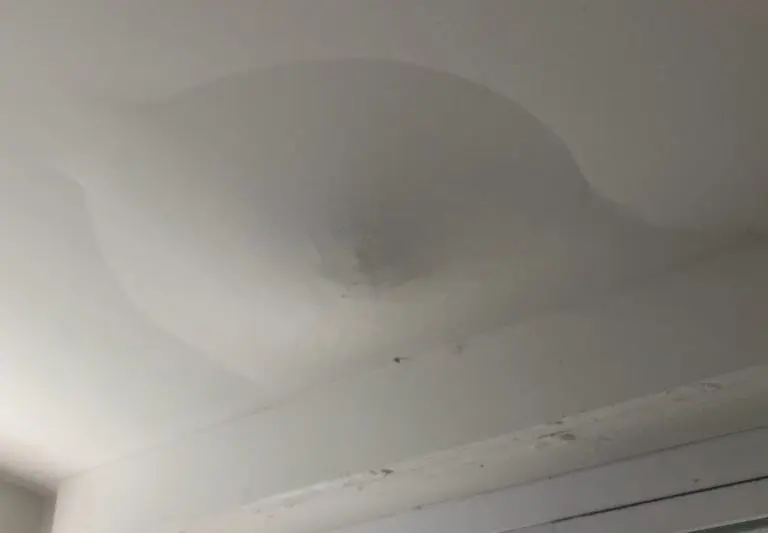
In a house, a leak stays in one house. In an Azusa apartment or townhome, water can pass through a shared ceiling, floor or wall to a neighbor who did nothing wrong.
Key takeaways
- About 5,160 Azusa homes sit in buildings with two or more units, and 1,177 of them are in buildings with 50 or more units.
- Renters live in 6,656 of the city's 14,870 occupied homes, so a leak often involves more than one household and a property manager.
- A ceiling stain is usually the first sign in the unit below, and the source is often a washer, dishwasher, toilet or supply connection upstairs.
- Shut off the water at the appliance or unit valve, tell the neighbor and the property manager, and photograph the damage.
- Drying has to cross the shared structure, so both units are measured and equipment may run in each.
Why shared buildings change a leak
Azusa has 15,580 housing units. Many are in buildings where floors, ceilings and walls are shared, so one household's leak is rarely only that household's problem.
Of the 14,870 occupied homes, 8,214 are owner occupied and 6,656 are rented. Water can start with one owner or tenant and end up in a home with a different owner and a different manager.
- Homes in buildings with two or more units: about 5,160.
- Homes in buildings with 50 or more units: 1,177.
- Renter occupied homes: 6,656.
- Owner occupied homes: 8,214.
How a leak travels from one unit to the next
Water follows gravity and the easiest path. It runs along floor joists, down wall cavities and around pipe openings until it finds a ceiling, a wall surface or a gap.
That is why the neighbor often notices before the source unit does. A slow leak behind a washer or under a dishwasher can run unseen for a long time.
Ceilings
A brown or yellow stain, bubbling paint or a sag means a ceiling is holding water. Keep everyone out from under a bulge, because a heavy ceiling can let go.
Walls and floors
A damp wall base, peeling paint, a musty smell or carpet that feels cool and wet points to water in the wall or under the floor. Wood and laminate cup or lift as they absorb moisture.
Common sources upstairs and next door
Most shared building leaks start with equipment that runs on water and sits close to a wall. Appliance leak water damage often begins with one of these.
- Washer hoses: braided hoses that burst or work loose behind the machine.
- Dishwasher connections: a loose supply fitting or a cracked drain hose in the cabinet base.
- Ice maker tubing: thin tubing behind the refrigerator that can seep for a long time.
- Water heater: a tank in a closet or utility room that fails and floods the floor around it.
- Toilet supply connectors: a worn connector spraying under the bowl.
- Shower pan or tub drain: a failed seal that lets water into the floor below.
When the source is shared by the building
Not every leak starts inside a unit. A roof leak, a shared supply pipe or a common water heater can wet several homes at once.
In those cases the manager usually coordinates the plumber and the roofer, and the restoration team reads every wet unit so that none is missed.
- Roof leaks: rain enters at the top floor and runs down through the homes below.
- Shared supply pipes: a failed fitting in a vertical pipe can wet each unit it passes through.
- Common equipment: a shared boiler or water heater can flood a utility room and the homes around it.
First steps for each side
Both sides need a plan, and the plans fit together. A water damage restoration team can work with both units at once.
Access is the usual sticking point. The source is often upstairs, and the unit below may need the occupant's cooperation or the manager's help to get in and find it.
The unit where the water starts
- Shut off the water at the appliance valve or the unit valve.
- Unplug nearby electronics if that is safe, and stay away from wet outlets.
- Tell the neighbor below or beside, and the property manager.
- Photograph the source and every wet area.
The unit that receives the water
- Keep out from under any bulging ceiling.
- Move belongings away from wet walls and floors.
- Photograph each stain as it is found, with the date.
- Report the damage to the owner or manager in writing.
- Ask for access to the unit above so the source can be found.
How drying crosses the shared wall
Drying in a multi unit building is measured in both units. The source unit and every wet neighbor get moisture readings, and equipment runs where the readings call for it.
Structural drying carries the work across the shared wall, and ceiling leak water damage applies to the unit that took the water from above.
- Extraction: standing water comes out of the source unit first.
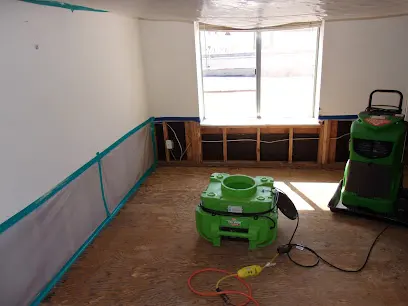
- Access: ceilings and wall bays are opened in each unit where readings stay high.
- Equipment: air movers and dehumidifiers run in every wet unit, with hoses and power routed to keep the home usable.
- Readings: both units are read until the framing, floors and ceilings match a dry reference.
- Close: repairs start unit by unit once the readings agree.
Records and communication
A shared wall loss involves several parties, and written records keep the conversation factual. Dates, photographs and moisture readings protect the household above, the household below and the manager.
- Photographs of the source, the damage in each unit and any damaged belongings.
- A timeline showing when the leak was found, who was told and when the water was shut off.
- An inventory of damaged items with the condition of each.
- Copies of the moisture readings from every unit.
- Names and contact details for the owner, the neighbor and the manager.
Questions
Who should be told first when water comes through a ceiling from another unit?
Shut off the source if it can be reached, then tell the neighbor above and the property manager. A restoration team can begin extraction and measuring while the cause is sorted out.
Can one unit be dried without entering the neighbor's?
Rarely. Water crosses walls and floors, so the neighbor's unit needs readings as well, and often equipment.
What if the neighbor does not answer or is away?
Shut off what can be reached, tell the property manager, write down each attempt to reach the neighbor and ask the manager for access to find the source.
Do shared walls change how long drying takes?
They can. Water may have crossed into a second unit, so both are measured, and drying ends when readings in each unit match a dry reference.
When does a wet ceiling have to come down?
When it sags, stays stained after other materials dry, or reads wet inside. The restoration team decides by readings, and releasing trapped water can prevent a collapse.
Should a tenant call the property manager or a restoration team first?
Both calls can happen together. The manager should be told in writing on the day the leak is found, and the restoration team can begin extraction while the manager arranges access and a plumber.