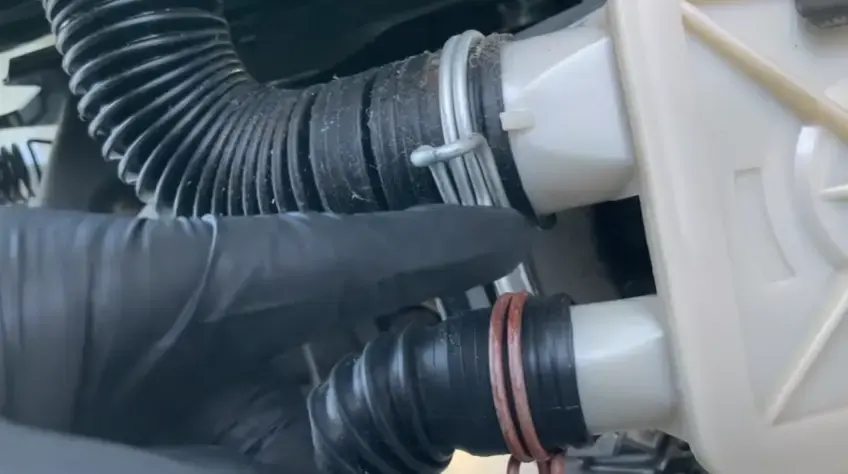
Appliance leaks are quiet. A loose drain hose, a cracked supply fitting or a failed door seal drips onto the floor day after day, and the water settles under vinyl, behind toe kicks and into the bottom of the wall. By the time the floor feels soft, the damp area is usually larger than the spot where the appliance sits.
Renters, neighbors and shared walls
In Azusa, 6,656 occupied homes are rented, and about 5,160 homes are in buildings with two or more units, so a washer or dishwasher leak can reach a neighbor. Tenants should tell the property manager as soon as a leak is found, because the source and each damaged unit need their own readings and notes.
What gets checked around the appliance
A leak search covers the appliance and everything that touches it:
- Supply and drain hoses at the wall and the machine
- Flooring edges, seams and the area under the unit
- Cabinet bases, toe kicks and the wall behind them
- The room or unit on the other side of the wall
- The ceiling below if the appliance is upstairs
Drying cabinets, floors and walls
Cabinet bases are the hardest part, since particleboard swells and rarely recovers. Toe kicks come off so air can reach the base, sound cabinets are dried in place and swollen ones are cut out. Wood or laminate beside them follows the plan on hardwood floor water damage, and the whole area is dried to the standards used for structural drying.