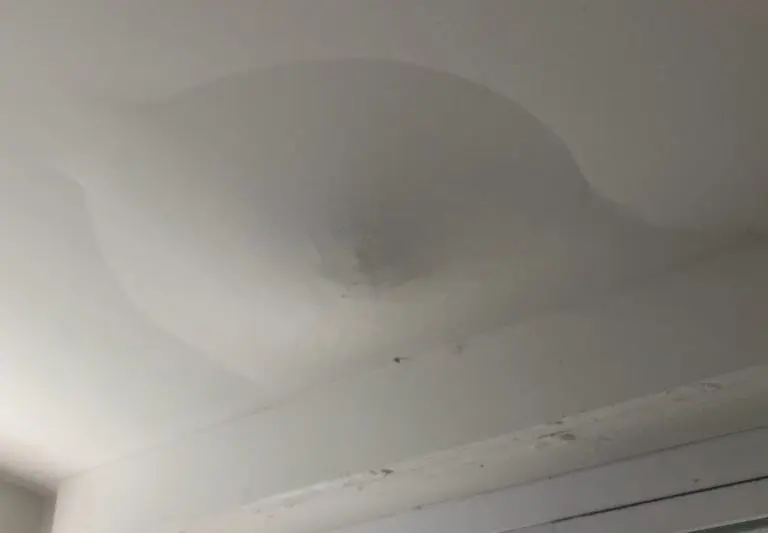
Water that collects behind a ceiling has no way out except downward, so the drywall swells, stains and eventually sags or falls. Finding where the water came from matters as much as drying it, since a roof, a pipe, an air handler or a unit upstairs each calls for a different repair.
What to do while the ceiling is wet
These steps reduce risk until a crew has looked at the ceiling:
- Keep people and pets out from under the bulge
- Turn off power to lights and fans in that area
- Move furniture and cover what cannot be moved
- Photograph the stain, its edges and any drips
- Shut off the water if a pipe is the likely source
Shared buildings and the unit above
In Duarte, 1,972 homes are in buildings with two or more units, and 942 of those homes are in buildings with 50 or more units, so a ceiling leak often starts in the unit above. That changes the job: the source may sit behind someone else's door, the building manager may control the repair, and each affected unit needs its own photos and readings before the claim paperwork is sorted out.
How a ceiling is drained, opened and dried
A small relief hole lets trapped water drain into a bucket before the drywall lets go. The crew then cuts back the wet section until the edges read dry, removes damp insulation and uses air movers and a dehumidifier to dry the joist bay. If water also reached the floor above or the room below, structural drying covers those layers, and readings are logged until everything matches the dry standard. That sequence is the same one used across Duarte water damage restoration work.