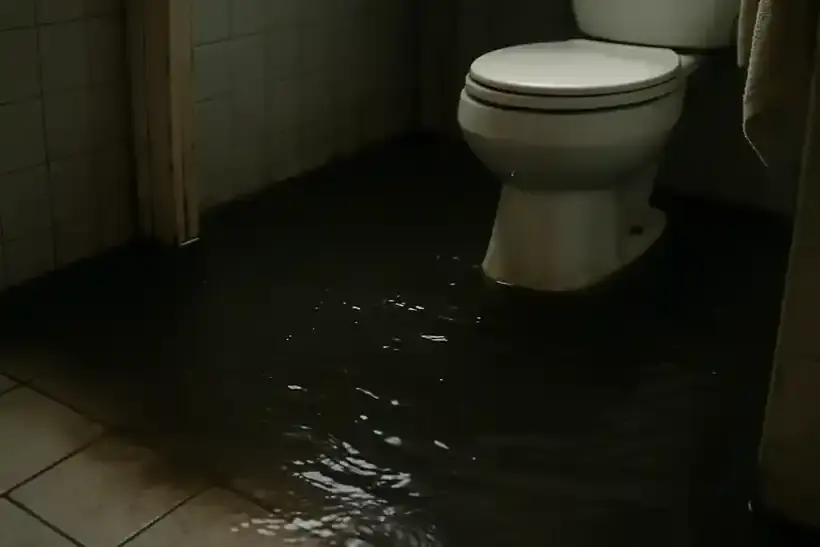
Sewage backups are not ordinary water losses. The water carries bacteria and waste, so anything porous that it touched is treated as contaminated, and the people doing the work wear protective gear. In Azusa the first steps are keeping the family out of the affected rooms and finding where the backup started.
What gets removed and what gets cleaned
Sorting follows one rule: porous materials are removed and hard surfaces are cleaned.
- Carpet and pad that touched sewage are cut out and bagged
- Lower drywall and insulation are removed above the water mark
- Tile, concrete and sealed wood are scrubbed and sanitized
- Cabinet bases and baseboards are removed or treated by condition
- Contents are sorted into those that can be cleaned and those that cannot
Who maintains the sewer system in Azusa
The City of Azusa owns, operates and maintains the local sewer system that collects wastewater in town. It connects to District No. 22 trunk sewers of the County Sanitation Districts of Los Angeles County, and the flow continues to the San Jose Creek Water Reclamation Plant and the Joint Water Pollution Control Plant in Carson. A plumber's camera inspection shows whether the blockage sits in the house drain or farther out, and that answer decides whom to call about the repair.
Air scrubbers, drying and the final check
HEPA air scrubbers run inside the containment to filter particles stirred up by the removal. After sanitizing, air movers and dehumidifiers dry the framing and subfloor, and the readings are logged until they reach the dry standard, as described under structural drying. A smaller overflow from one fixture is handled under toilet overflow cleanup, and the photos and logs go to the owner for the claim file.