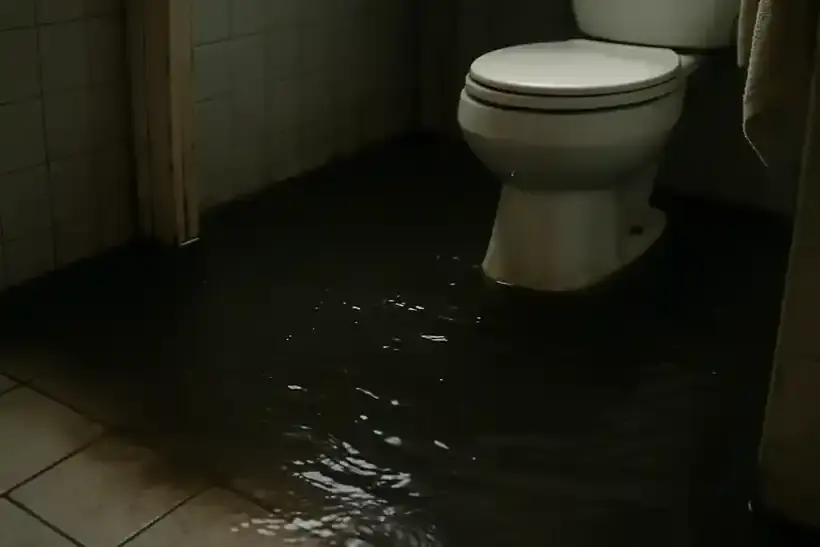
A sewage backup carries bacteria and viruses into the home, so the first rule is to keep it from spreading on shoes, hands and airflow. Anything porous that the water touched is treated as a loss, and the cleanup is done under containment with protective gear.
What happens during a sewage cleanup
Crews follow a fixed order so contamination stays in one place:
- Plastic sheeting and negative air isolate the area
- Liquid and solids are removed with sealed equipment
- Carpet, pad and soaked lower drywall are cut out
- Hard surfaces are cleaned, then treated with antimicrobial
- HEPA air scrubbers run while the structure dries
Duarte's sanitary sewer system in brief
The City of Duarte contracts with the Los Angeles County Sewer Maintenance Division to maintain its sanitary sewer system. In May 2026 the city reported citywide sewer maintenance with Los Angeles County Public Works, and crews may need to reach sewer manholes in easements, including on private property. A backup inside a home still needs prompt cleanup, whichever pipe it came from, and the restoration steps are the same.
Why porous materials are removed, not saved
Bacteria move deep into carpet backing, pad, unsealed wood and drywall, where surface cleaners cannot reach them. That is why a sewage job removes these materials instead of drying them, and why the contaminated layer is bagged and carried out before any drying equipment is placed. Hard surfaces such as tile, sealed concrete and framing can be cleaned and kept. Once the contamination is gone, the room dries under the same logged plan as any structural drying job, and the wider Duarte water damage restoration process takes over.