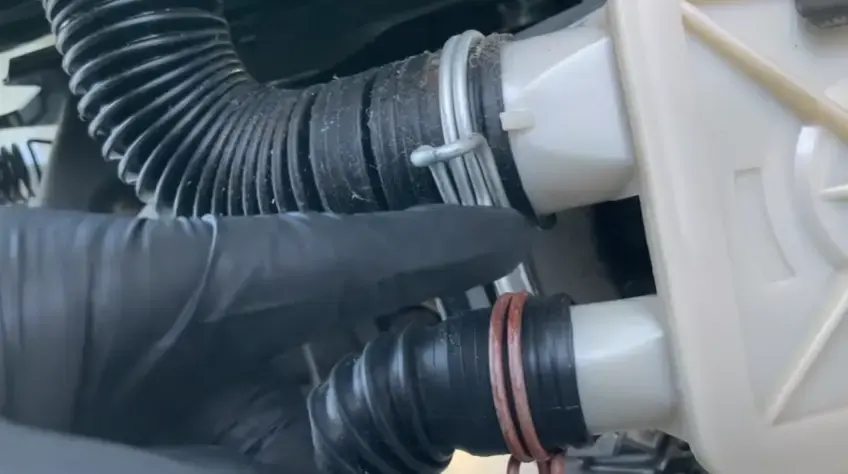
Appliance leaks are slow thieves. A cracked hose or loose drain connection can drip into a cabinet base or under a floor for weeks, and the first sign is often a soft floor, a swollen toe kick or a musty smell rather than a puddle.
Where appliance water hides
Crews check these spots first when an appliance is the suspect in a Duarte water damage restoration call:
- Behind and beneath the washer and its hookups
- Under the dishwasher and the sink cabinet
- Behind the refrigerator near the ice maker supply
- Flooring edges that have started to lift or cup
Renters, neighbors and shared walls
Duarte has 2,934 renter-occupied homes, and 1,972 homes sit in buildings with two or more units, so a washer or dishwasher leak can reach a neighbor's ceiling or a shared wall. When a leak crosses units, tenants, landlords and building managers all need the same photos and readings, and the crew documents each unit so responsibility can be sorted out later.
Drying cabinets, floors and walls
Particleboard cabinet bases swell and crumble when wet, so crews pull toe kicks, check the bases and remove any that have gone soft. Flooring that is lifting is dried or removed according to its type, and wall bottoms behind the appliance are opened if readings stay high. After the appliance is repaired, structural drying finishes the job, much as it does after a water heater leak.