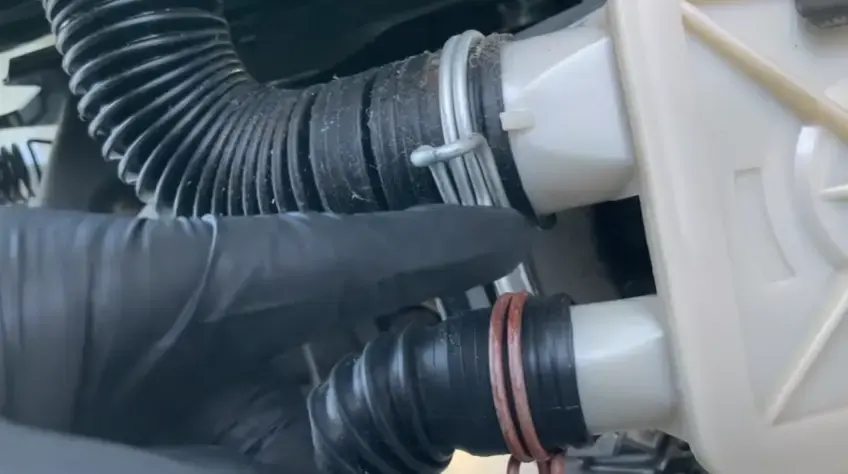
Appliance leaks are quiet. A washer hose weeps behind the machine, a dishwasher seal lets go under the counter, or a refrigerator's water supply loosens in the wall, and the water spreads under flooring and into cabinet bases before anyone notices.
Renters, shared buildings and who calls whom
Covina has 6,720 renter-occupied homes and 5,695 homes in buildings with two or more units. When a washer or dishwasher leaks in a rented or shared unit, the first step is a written report to the landlord or property manager, because water can pass through the floor or walls into the next unit. Renters should also check whether their own policy covers belongings, since the owner's building policy may not.
Where appliance water hides
- Under the toe kick, where cabinet bases sit on the floor
- Inside the wall behind a washer box or a refrigerator
- Beneath vinyl, laminate or tile that looks dry on top
- In the cabinet bottom, where particleboard swells
How the cleanup runs
Crews pull the appliance, extract the floor, remove the toe kicks and dry the cabinet base and wall cavity with small air movers and a dehumidifier. Swollen particleboard is replaced, while solid bases often dry in place. Water extraction comes first, and structural drying finishes the job.