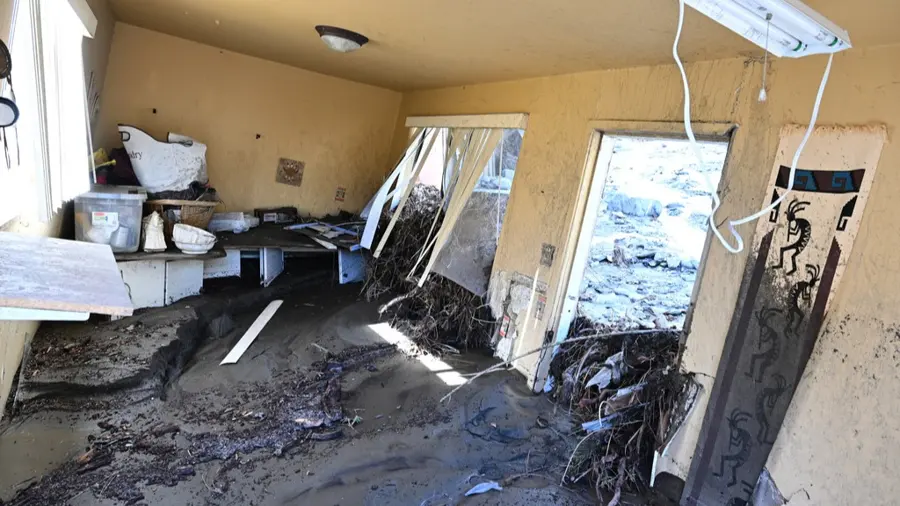
Flood cleanup starts when the water has stopped moving and it is safe to enter. Mud, silt and debris come out first, then the water, then any material that soaked up contaminated runoff. Because storm water crosses soil and streets, it is treated as contaminated from the start, as in all Duarte water damage restoration work.
Storm events in Duarte's foothills
County and city records list these foothill storm events:
- February 1980: extensive debris flow damage in Duarte and other foothill communities
- February 2017: mandatory evacuations near the Fish Fire burn area rose to 202 homes, and about 1,300 cubic yards of mud was cleared from streets
- November 2022: a mandatory evacuation order covered Mel Canyon Road homes in the burn area
- February 2023: a Mudflow Alert for the burn scar area, with Mel Canyon Road closed that night
How mud and runoff are cleared from a home
Shoveling comes before any extraction, because mud clogs pumps and spreads contamination when it is walked through a house. Crews remove the silt, run water extraction, cut out carpet, pad and wet lower drywall, and treat what remains with antimicrobial. Doors, cabinets and trim that sat in muddy water are checked and often removed.
Flood insurance and the claim file
Standard homeowner policies usually exclude flood from rising water, so a separate flood policy matters. The county floodplain plan lists 30 flood insurance policies in force in Duarte as of July 31, 2019. Whichever coverage applies, dated photos of how high the mud and water reached, plus daily drying logs, give the adjuster a clean record.