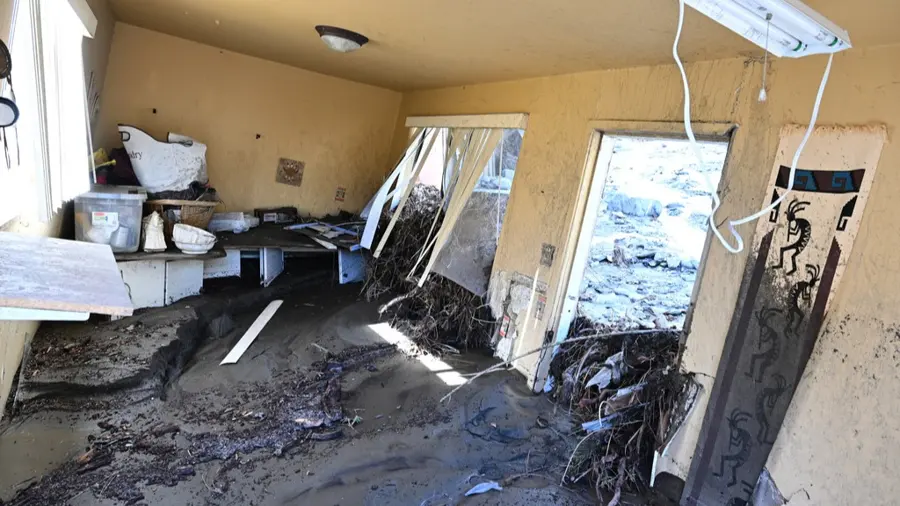
Flood cleanup differs from a pipe leak because the water comes in carrying silt, debris and whatever it crossed on the way. Even a thin layer of runoff leaves a film on floors and inside walls. The job starts with removal, not drying, and it ends with surfaces that have been cleaned and treated.
Storm history around Covina
Covina has a hot-summer Mediterranean climate, and its rain falls mostly from December through March. On May 22, 2008, fast-moving thunderstorms brought heavy rain to parts of the San Gabriel Valley and a flash flood warning covered an area that included Covina. On February 24, 2023, National Weather Service flash flood messaging for a winter storm named Covina, Glendora and San Dimas among the areas likely to see flash flooding. Those were warnings, and neither proves that water entered any particular home.
Channels near Covina and flood insurance
The Los Angeles County Comprehensive Floodplain Management Plan lists Big Dalton Wash, San Dimas Wash and Walnut Creek as Army Corps of Engineers improved tributary channels of the San Gabriel River, with affected unincorporated areas near Covina, and lists Charter Oak Wash as a County-built channel. The same plan counts only 6 flood insurance policies in force in Covina as of July 31, 2019, so most owners should confirm what their own policy says about runoff before a storm.
What the cleanup covers
Typical work on a storm runoff job runs in this order:
- Mud and silt are shoveled and extracted before drying starts
- Flood cuts remove wet drywall above the visible water mark
- Cabinets, doors and flooring that soaked through come out
- Surfaces are cleaned and treated, then dried with logged readings
Sewage mixed into the runoff changes the protective steps, which are covered under sewage backup cleanup, and smaller jobs are handled as water extraction.