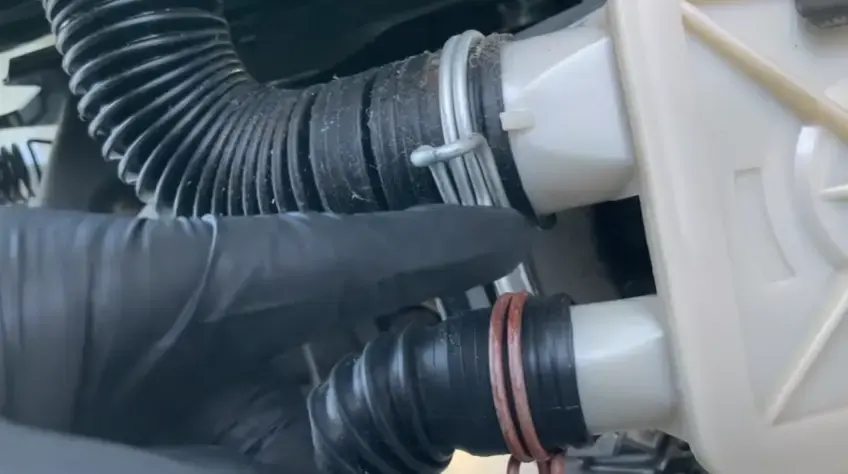
Appliance leaks are usually slow. A cracked washer hose, a worn dishwasher seal or a loose refrigerator tube drips behind a cabinet or under a machine, and the water can soak a floor for a long time before anyone smells it.
Where appliance water travels
Look for water in these places:
- Under the toe kick and inside the cabinet base.
- Along the wall behind the machine.
- In the subfloor beneath vinyl, laminate or tile.
- Through the floor into the unit below.
Neighbors, renters and shared walls
The American Community Survey for 2020 to 2024 counts 3,327 renter-occupied homes in San Dimas, and about 2,439 homes share a building with other units. A washer or dishwasher leak in one unit can reach the floor, wall or ceiling of the next, so the work often includes a landlord, a manager or a neighbor. Moisture readings in each affected space give everyone the same facts.
Drying cabinets and floors
Toe kicks come off first so the cabinet base can breathe, and the floor under the appliance is extracted and read with a meter. Laminate and engineered boards that swell are lifted, while solid cabinet bases are often dried in place with directed air. A refrigerator with an ice maker can leak for months into the subfloor, so floors near it are always read with a meter. A leak that reached the unit below is handled under ceiling leak water damage, and the drying equipment is described under structural drying.