Glendora · CAWater Damage Restoration
San Dimas flood cleanup

Storm Runoff and Flood Cleanup in San Dimas

Foothill storms can push runoff, mud and silt through a garage door and across a floor. The crew clears the debris, removes what the water contaminated and dries the structure until readings return to normal.

(888) 578-6508San Dimas storm runoff help
Mud and silt cleared Contaminated materials out Structure dried to readings
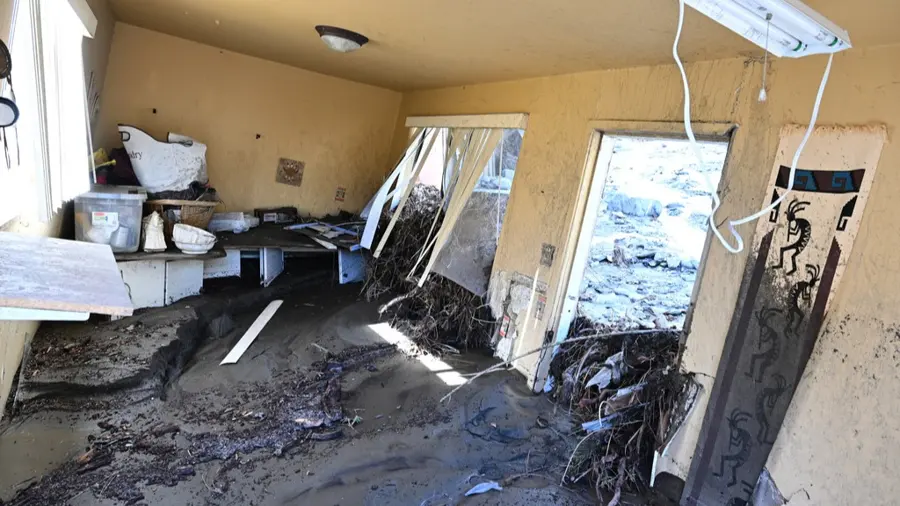
Mud and debris pushed through broken doors into a San Dimas home after a storm flow
Water typeCategory 3 storm runoff
Usual debrisMud, silt, leaves, loose materials
Local drainageStorm drains lead to the San Gabriel River
RemovedCarpet, pad, lower drywall
Right now

First steps for storm runoff and flood cleanup in San Dimas

  1. Stay out of moving water

    Moving runoff can hide debris and carry contamination. Wait until it stops before entering or moving belongings.

  2. Switch off power first

    Turn off breakers for affected areas and stay away from outlets and cords wherever water reaches them.

  3. Photograph the water marks

    Capture mud, tide marks on walls and damaged belongings before cleanup removes the evidence.

  4. Wear protective gear

    Use gloves, boots and a mask around mud, and wash hands and skin after any contact.

How this loss behaves
Usual causeStorm runoff crossing yards, garages and doors
First clueMud, silt or a tide mark on walls
Water typeCategory 3, handled as contaminated
Time pressurePorous materials degrade the longer they stay wet
Typical cost ranges

What does storm runoff and flood cleanup cost in San Dimas, CA?

Flood cleanup runs from $3,000 for one or two rooms to $30,000 or more when a heavy mud flow covers the floor. Mud volume, removal of cabinets and flooring, and drying time are the main drivers.

One or two rooms

$3,000 to $7,000
  • Light silt and water cleared
  • Lower drywall and pad cut
  • Disinfected and dried

Rooms plus garage

$7,000 to $15,000
  • Mud shoveled, then extracted
  • Flood cuts through the rooms
  • Extended structural drying

Heavy mud flow

$15,000 to $30,000+
  • Whole floor cleared of mud
  • Doors, cabinets, flooring out
  • Complete claim records

Ranges are typical, not a quote. The water category, the square footage that got wet, the material class and how soon drying started move the number most. The water damage cost calculator gives a closer planning range.

The process

How storm runoff and flood cleanup is handled in San Dimas

Moisture gets mapped before any equipment goes down, and the equipment stays until the readings say dry, not until the room looks dry.

  1. Clear the debris

    Mud, silt and loose debris are shoveled and bagged first, then remaining water is extracted.

  2. Cut and remove

    Carpet, pad, lower drywall and insulation the runoff touched come out, with flood cuts made above the water mark.

  3. Disinfect the shell

    Studs, subfloor and hard surfaces are scrubbed and treated with antimicrobial before equipment is set.

  4. Dry and document

    Air movers and dehumidifiers run with daily readings, and photos and numbers are filed for the claim.

Rapid local response

Restoration crews dispatch 24/7 across San Dimas, because water keeps moving into subfloor, cabinets and drywall after dark.

IICRC S500 drying standard

The drying team works to IICRC S500: structural drying, not just surface drying, with readings logged daily.

Claim-ready documentation

A moisture map, psychrometric logs and timestamped photos build the file an adjuster reviews.

Foothill water know-how

Slab leaks, aging supply pipe, attic AC overflows and winter storm runoff are everyday work across the San Gabriel Valley foothills.

Runoff is not clean rain. It crosses streets, yards and driveways before it reaches a door, and it carries silt, debris and bacteria. San Dimas sits along the foothills, so a strong storm can send that water toward doors and garages, which is why storm water is handled as contamination from the start.

How San Dimas moves storm water

The city says San Dimas has two drainage systems, the sewers and the storm drains, and the storm drains carry excess rainwater from city streets to channels, creeks and the San Gabriel River. The county's East San Gabriel Valley Area Plan says San Dimas Wash and Big Dalton Wash connect to that river. Puddingstone Channel runs north to south through East San Dimas from the foothills to Puddingstone Reservoir.

Dams and storms in local history

According to the Homestead Museum, work on San Dimas Canyon Dam began in 1920 and finished in early August 1922 to protect farm and orchard land along San Dimas Wash. The Los Angeles County Flood Control District built Puddingstone Dam from February 1925 to January 1928 to impound storm runoff. On February 13, 2025, the Los Angeles County Sheriff reported mandatory evacuations for five San Dimas homes during a strong storm, and where those homes are and why they were ordered out has not been confirmed.

What gets removed and what gets saved

Carpet, pad, lower drywall or insulation that runoff reached is removed, then studs and subfloor are cleaned, disinfected and dried. Hard, sealed surfaces can often be cleaned and kept. Mud is shoveled out first and then extracted, as described under water extraction, because drying equipment cannot work over a layer of silt. Heavier cleanups follow the steps under sewage backup cleanup for contaminated water.

Related

Related water damage services in San Dimas

Planning tools for the next step

Coverage

Storm runoff and flood cleanup across San Dimas

Flood cleanup covers all of ZIP 91773, including streets near San Dimas Canyon Road, the Foothill Boulevard corridor and Via Verde, plus county areas such as West San Dimas, East San Dimas and Walnut Islands.

The same service nearby: storm runoff and flood cleanup in Glendora, La Verne, Covina.

San Dimas, CA service area

Water damage restoration in San Dimas · every city covered

Questions

Storm Runoff and Flood Cleanup questions in San Dimas, CA

Is storm water ever treated as clean?

Rarely. Runoff crosses streets, yards and drains before it reaches a door, so it is handled as contaminated even when it looks like muddy rain.

What do the county's flood figures say?

The county floodplain plan counts 8 flood insurance policies in force in San Dimas as of July 31, 2019, and 8 claims from November 1978 to June 30, 2014, with $5,130 paid. They record the past and do not forecast the next storm.

Can mud be left to dry and swept up?

No. Dried silt packs into floors and walls and holds moisture. It is shoveled and extracted while wet, and the surfaces underneath are cleaned and disinfected.

Which materials usually come out?

Carpet, pad, lower drywall and insulation that the runoff touched. Sealed hard floors and solid framing can often be cleaned and dried instead.

Does the crew handle garages and exterior rooms?

Yes. Garages, laundry rooms and enclosed patios are cleared of mud and dried along with the main house, since that is often where runoff enters first.

Does every storm bring flood damage?

No. Most rain stays in the streets and storm drains. Damage follows when runoff finds a low door, a garage or a gap in a wall.

24/7 water emergencies

Get the mud out and the structure drying

Cleanup crews work across the foothill streets of San Dimas, day or night.

(888) 578-6508Request San Dimas storm cleanup help
Call (888) 578-6508 24/7