Glendora · CAWater Damage Restoration
La Verne burst pipe cleanup

Burst Pipe Water Damage in La Verne, CA

A split pipe can release a lot of water behind a wall before the drywall shows a stain. The crew extracts the surface water, opens the cavity, removes soaked insulation and dries the framing.

(888) 578-6508La Verne burst pipe help
Wall cavities opened and dried Wet insulation removed Photos for the insurer
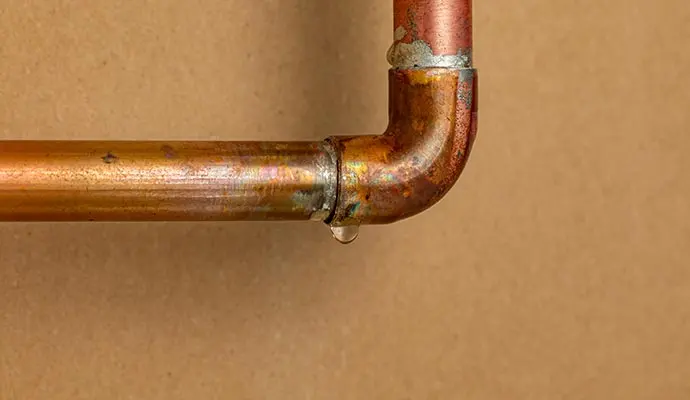
Corroded pipe elbow dripping water, shown for La Verne
First moveClose the right shutoff valve
Wall workOpen the cavity and read the framing
Dry targetStuds, bottom plate and insulation bays
Claim filePhotos, readings and a removal list
Right now

First steps for burst pipe water damage in La Verne

  1. Close the right valve

    Shut the fixture valve or the home's main shutoff. If the water is coming from the meter itself, call the Water and Utility Division.

  2. Kill the power nearby

    Turn off breakers for wet rooms and stay clear of bulging ceilings near light fixtures.

  3. Catch and photograph

    Place buckets under drips and photograph the pipe, the wet wall and the belongings affected.

  4. Call the plumber and the crew

    A plumber repairs the pipe, and the crew extracts the water and opens the wall.

How this loss behaves
Usual causeA failed fitting, supply hose or weakened pipe.
First clueBubbling paint or a growing wet spot on the wall.
Hidden spreadInsulation and bottom plate soak up water below the stain.
Valve ruleKnow which valve is the owner's and which the city's.
Typical cost ranges

What does burst pipe water damage cost in La Verne, CA?

A burst pipe confined to one wall or room typically costs $1,000 to $3,500. A ceiling or two rooms run $3,500 to $8,000, and a long-running leak through several rooms reaches $8,000 to $15,000 or more.

One wall or room

$1,000 to $3,500
  • Water extracted, wall cavity opened
  • Soaked insulation removed
  • Framing dried with daily readings

Ceiling or two rooms

$3,500 to $8,000
  • Ceiling drywall opened
  • Flooring and pad lifted
  • Multiple drying stations

Long-running or multi-room

$8,000 to $15,000+
  • Water through several rooms
  • Cabinets and hardwood involved
  • Drying extended over more days

Ranges are typical, not a quote. The water category, the square footage that got wet, the material class and how soon drying started move the number most. The water damage cost calculator gives a closer planning range.

The process

How burst pipe water damage is handled in La Verne

Moisture gets mapped before any equipment goes down, and the equipment stays until the readings say dry, not until the room looks dry.

  1. Stop and extract

    Once the supply is off, extractors remove standing water from the floor and the base of the wall.

  2. Open the cavity

    Drywall is cut above the wet zone and soaked insulation is bagged so air can reach the framing.

  3. Dry the framing

    Air movers and a dehumidifier run while readings track the studs and bottom plate.

  4. Close and document

    Closing the wall waits until readings are dry, and the photos and logs go to the insurer.

Rapid local response

Restoration crews dispatch 24/7 across La Verne, because water keeps moving into subfloor, cabinets and drywall after dark.

IICRC S500 drying standard

The drying team works to IICRC S500: structural drying, not just surface drying, with readings logged daily.

Claim-ready documentation

A moisture map, psychrometric logs and timestamped photos build the file an adjuster reviews.

Foothill water know-how

Slab leaks, aging supply pipe, attic AC overflows and winter storm runoff are everyday work across the San Gabriel Valley foothills.

The first decision after a pipe lets go is which valve to close. In La Verne, city code says shutoff valves, curb stops and corporation stops are installed by and for the city, while a valve the city places on the owner's side of the meter becomes the owner's to maintain and replace, so the first step is finding the right one.

Know which valve is which

A fixture valve under a sink or behind a toilet stops one fixture. The home's main shutoff stops the whole house. The meter itself stays city property, and the Water and Utility Division reads and maintains the meters. A valve that has not moved in years can seize, so testing it before an emergency saves a scramble during one.

What the wall needs once the water stops

Water from a split pipe runs down inside the wall and soaks insulation, the bottom plate and the back of the drywall. The crew extracts the surface water, cuts the drywall high enough to reach the wet area and removes insulation that has absorbed water.

  • Wet insulation removed from the bays
  • Drywall cut above the highest wet reading
  • Baseboards pulled for airflow
  • Framing dried before the wall is closed

Air movers and a dehumidifier then run in the open cavity until the studs and bottom plate read dry, and only then is the wall rebuilt. For floors that took the runoff, water extraction covers the pump-out.

Paperwork that helps the claim

Photos of the wet wall before tear-out, a list of removed materials and the daily readings give the adjuster a clear file. The plumber's invoice for the repair belongs in the same folder.

Related

Related water damage services in La Verne

Planning tools for the next step

Coverage

Burst pipe water damage across La Verne

Burst pipe calls reach everywhere in ZIP 91750, from the blocks around D Street and Third Street to Hillcrest, Live Oak and Marshall Canyon, with the Foothill Boulevard, Bonita Avenue and Damien Avenue corridors in between.

The same service nearby: burst pipe water damage in Glendora, San Dimas, Covina.

La Verne, CA service area

Water damage restoration in La Verne · every city covered

Questions

Burst Pipe Water Damage questions in La Verne, CA

Which valve should be closed first?

The closest fixture valve if the leak is at one fixture, otherwise the home's main shutoff. A valve the city places on the owner's side of the meter belongs to the owner, who maintains it.

Is the water meter the city's responsibility?

Services and meters the city installs stay city property, and the city pays to repair them after normal wear. Damage from a wilful or negligent act is charged to the consumer.

Does the wall always need to be opened?

If the pipe ran through a wall, yes in most cases. Insulation holds water against the framing, and opening the cavity is the only way to dry it with certainty. The method is described under structural drying.

Can the plumber and the crew work together?

Yes. The plumber repairs the pipe while the crew extracts and opens the wet area, and sharing readings and photos keeps both jobs moving.

What does the insurer want to see?

Photos of the burst pipe and the wet wall, the daily moisture log, a list of removed materials and the plumber's invoice.

How is a hidden leak told apart from a burst?

A burst is sudden and obvious, while a hidden leak shows as a slow stain, a musty smell or a bill that keeps climbing. Both need the wall checked with meters.

24/7 water emergencies

Stop the spread inside the wall

The crew opens the cavity, removes soaked insulation and dries the framing to readings.

(888) 578-6508Plan the La Verne wall dry-out
Call (888) 578-6508 24/7