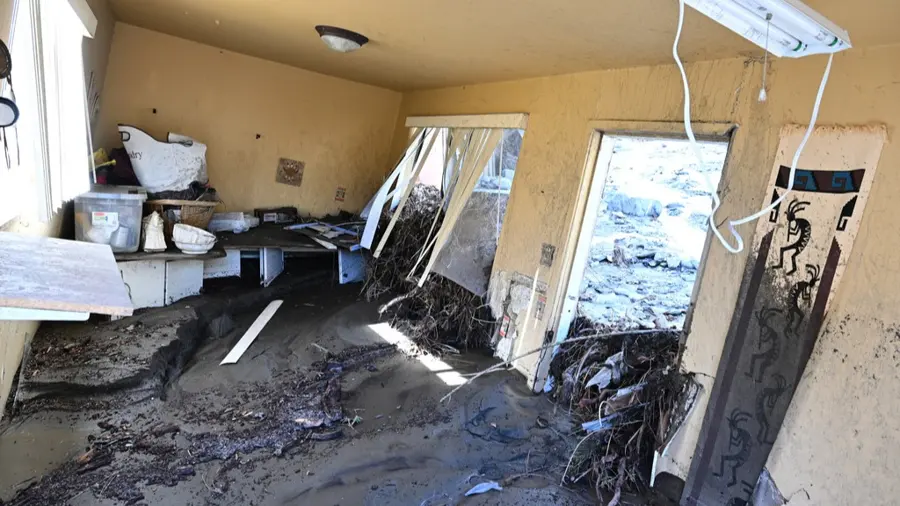
Runoff that reaches a house carries silt, debris and sometimes waste, so flood cleanup is heavier than a plumbing dry-out. Mud comes out first, then the wet lower walls, then the sanitizing and drying.
When the rain was heavy in La Verne
In February 2024, a large rainstorm swept Southern California. First Street was one of numerous La Verne streets with substantial flooding, the University of La Verne closed on Monday and Tuesday and resumed operations on Wednesday, and the National Weather Service recorded 9.5 inches of rain.
The La Verne Fire Department's 2023 Community Risk Assessment says flash flooding occurs in the urban areas of the city but is generally short-lived. A short flood still soaks pad, drywall and cabinet bases.
Sandbags, shovels and safe handling
Residents and businesses can get sand and sandbags at Fire Station 1 and Fire Station 3, where shovels are available. Sandbags protect a door but do not clean up after water gets in. Once runoff recedes, the crew removes the mud, cuts the walls and treats the area as contaminated.
What cleanup looks like
The order of work is the same in a garage or a living room:
- Mud shoveled and water extracted
- Lower drywall and pad cut out
- Antimicrobial treatment of what stays
- Drying equipment set and monitored
Claims and flood policies
Rising outside water is usually handled under a separate flood policy, so photos of the high-water mark, the mud and every damaged room are worth taking before cleanup. As of July 31, 2019, the county's floodplain plan listed 17 flood policies in force in La Verne. Heavy extraction work is covered under water extraction.