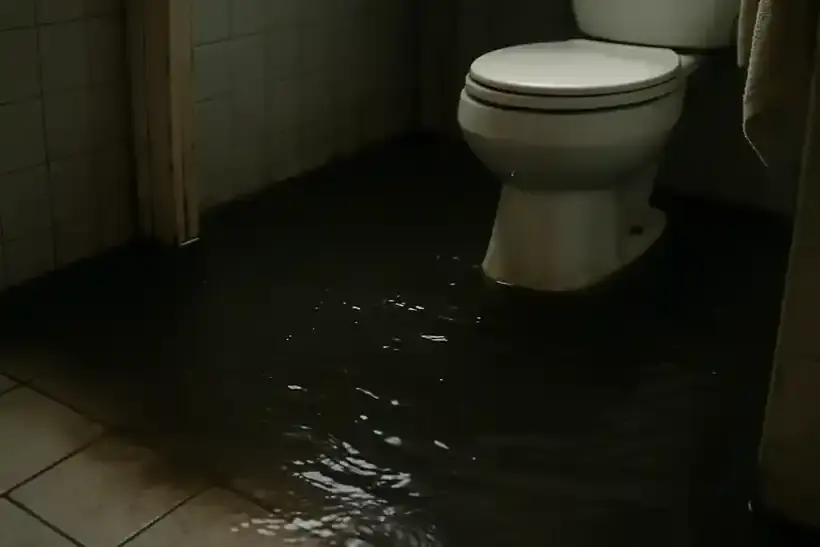
Sewage carries bacteria and viruses that porous materials absorb, so the goal is removal rather than rescue. Carpet, pad, baseboard and lower drywall that touched it usually come out, hard surfaces are cleaned and disinfected, and the structure is dried before anything is rebuilt.
Who handles what in San Dimas
The City of San Dimas owns its local sewer pipes, and the Los Angeles County Consolidated Sewer Maintenance District primarily maintains them. For sewer emergencies, the city's sewer page directs residents to contact that district directly, and other sewer questions go to the Public Works Department. Los Angeles County Public Works adds that the private owner is responsible for the entire length of a sewer lateral, including the part under the public right of way.
What the cleanup involves
A typical sequence runs in this order, and contaminated materials leave through a protected route:
- Seal off the area and set up HEPA air scrubbers.
- Extract contaminated water and bag solids for disposal.
- Remove carpet, pad and drywall the water reached.
- Clean and disinfect studs, subfloor and hard surfaces.
- Dry the structure and clear it with final readings.
Septic systems and where a backup starts
The county's East San Gabriel Valley Area Plan says portions of San Dimas, along with Diamond Bar, Pomona and Walnut, are on septic systems. A backup can start in the lateral, the main or a septic tank, and that origin decides who fixes the cause. The crew deals with the contamination left inside either way, then moves to structural drying. An overflow that starts at a fixture is described under toilet overflow cleanup.